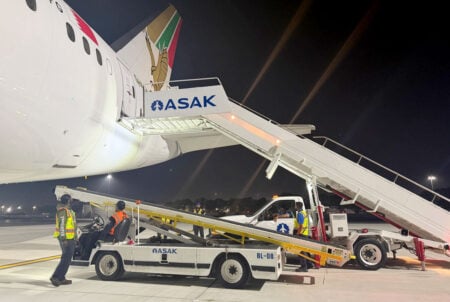



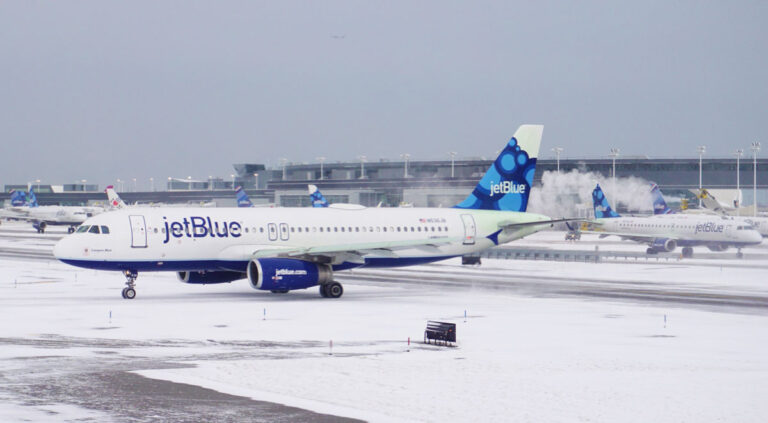
For travelers departing from or arriving in the New York tristate area, severe weather is not an occasional disruption—it is a routine factor in travel planning. From summer thunderstorms and flash flooding to winter snow, ice, fog, and coastal storms, weather systems across the country regularly affect travel tied to New York’s airspace.
Because the region serves as one of the nation’s primary aviation gateways, delays do not need to originate locally to cause major impacts. A storm in the Midwest, snow in the Great Lakes region, or high winds along the Southeast corridor can ripple east and restrict traffic into New York hours later.
Why New York Is Especially Vulnerable
The New York metropolitan area operates within one of the most complex airspace systems in the world. John F. Kennedy International Airport, LaGuardia Airport, and Newark Liberty International Airport sit in close proximity, sharing limited airspace while handling some of the highest passenger volumes in the country.
On clear days, the system functions near capacity. When weather reduces runway availability, visibility, or arrival spacing, even minor disruptions can cascade quickly across the region.
Weather Events That Most Significantly Disrupt Travel
Thunderstorms halt ramp operations due to lightning, forcing ground delays even when runways remain clear. Winter storms introduce ice risks, requiring aircraft de-icing and often leading to proactive cancellations. Fog and low visibility reduce arrival rates and trigger diversions. Coastal storms bring gusty winds and flooding that can shut down runways.
Departures Vs. Arrivals
Departures are commonly delayed due to national air traffic flow restrictions. Arrivals later in the day face compounded delays and cancellations as earlier disruptions accumulate. Early morning flights generally offer the best on-time performance during severe weather seasons.
How Travelers Can Prepare
Book nonstop flights, choose early departures, monitor route-wide weather, pack essentials in carry-ons, and expect proactive cancellations during major storms.
With airports operating near capacity, even small disruptions can slow the entire system. Understanding this helps travelers manage expectations and plan more effectively.
Online Winter Travel Resources
(NYMAN Quick Guide)
Weather:
- www.weather.gov/okx
- radar.weather.gov
Airports & Flights:
- www.jfkairport.com
- www.laguardiaairport.com
- www.newarkairport.com
- nasstatus.faa.gov
Roads & Transit:
- 511ny.org
- www.511nj.org
- ctroads.org
- www.panynj.gov
- new.mta.info
Health & Safety:
- www.cdc.gov/flu/weekly
- www.nyc.gov/site/doh
Emergency Prep:
- www.nyc.gov/site/em
- www.ready.gov/winter-weather
NYMAN Travel Tip:
Weather-related delays affecting New York often begin far from the region. Checking regional weather, airport status, and FAA system delays together provides the clearest picture before departing.