

For pilots, air traffic controllers, airlines, and passengers, few acronyms can create as much disruption as a TFR. Short for Temporary Flight Restriction, a TFR is a designated area of airspace where certain aircraft operations are restricted for a specific period of time. While these restrictions are implemented to enhance safety and security, they can significantly affect airport operations, airline schedules, and general aviation activity—especially in the busy airspace surrounding New York, New Jersey, and Connecticut.
The Federal Aviation Administration (FAA) issues TFRs for a variety of reasons. Some are related to national security, while others are designed to protect people and property on the ground. Regardless of the reason, pilots are required to know and comply with active TFRs before every flight.
One of the most common reasons for a TFR is a presidential visit. Whenever the President of the United States travels, a security perimeter is established around the location where the President will be staying or conducting official business. This includes not only temporary visits but also areas near private residences frequently used by current or former presidents. During these periods, aircraft operations within the restricted area may be prohibited or heavily regulated.
The Tri-State Area experiences these presidential TFRs more often than many other regions due to its proximity to New York City, one of the nation’s most important political, financial, and media centers. When a presidential TFR is active, airports located within or near the restricted airspace may experience delays, reroutes, and operational limitations.
Another frequent source of TFRs in the region is the annual session of the United Nations General Assembly. Each year, world leaders, heads of state, and high-ranking government officials arrive in New York City to participate in meetings and diplomatic events. The concentration of dignitaries requires extensive security measures, including temporary restrictions on portions of the surrounding airspace.
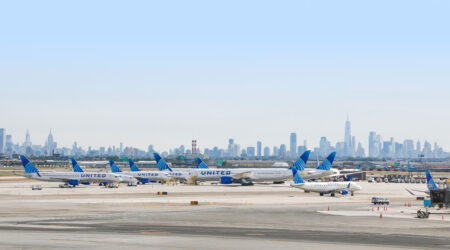
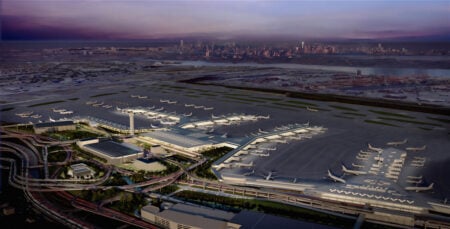
For air traffic controllers and pilots, these restrictions often result in altered flight routes, increased workload, and additional coordination requirements. Airlines may need to adjust arrival and departure procedures at JFK, LaGuardia, Newark Liberty, and Teterboro.
Sporting events can also trigger TFRs. Since 2003, federal regulations have required temporary flight restrictions over stadiums seating more than 30,000 people during major sporting events. These restrictions generally apply during professional football, Major League Baseball, major college football games, and certain NASCAR events.
In the Tri-State Area, stadium TFRs are common during games at MetLife Stadium, Yankee Stadium, and Citi Field. While airline traffic is generally accommodated through established procedures, general aviation pilots operating nearby must remain vigilant to avoid inadvertently entering restricted airspace.
Other reasons for TFRs include disaster response operations, wildfire suppression efforts, space launches, air shows, major public gatherings, and emergency situations requiring the protection of personnel on the ground.
The impact of a TFR often extends far beyond the restricted area itself. Aircraft may be rerouted around the affected airspace, increasing flight times and fuel consumption. Air traffic controllers must manage altered traffic flows while maintaining safe separation between aircraft. Airlines may experience delays that ripple through the national airspace system, affecting flights hundreds of miles away.
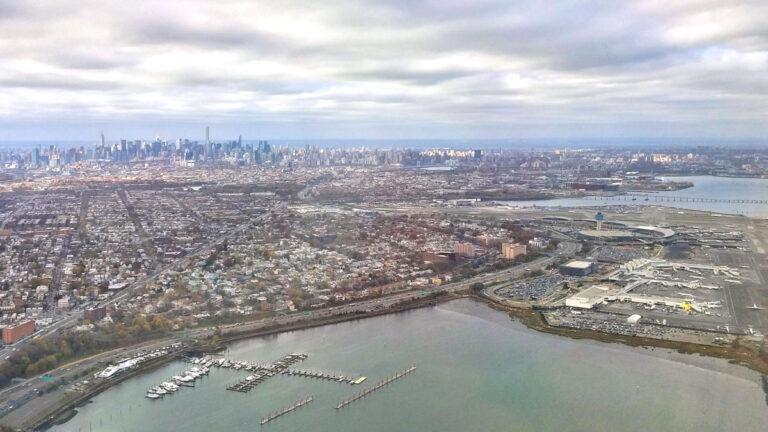
In the New York metropolitan region, where some of the busiest and most complex airspace in the world already exists, even a relatively small TFR can create challenges. The combination of high traffic volume, multiple major airports, corporate aviation activity, and international operations leaves little room for error.
For pilots, the lesson is simple: always check for active TFRs during preflight planning. Failure to comply can result in enforcement action, certificate suspension, or even interception by military aircraft. More importantly, compliance helps ensure the safety and security of everyone operating within the National Airspace System.
Whether it’s a presidential visit, the arrival of world leaders at the United Nations, a sold-out football game, or an emergency response operation, Temporary Flight Restrictions remain an important tool for protecting people and maintaining order in the skies above one of America’s busiest aviation regions.