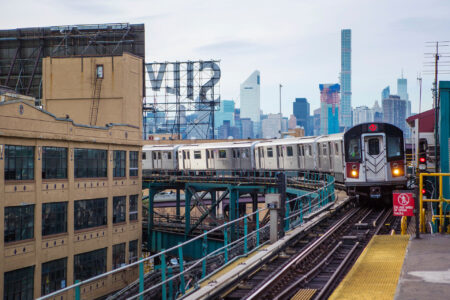




I used to joke that LaGuardia had a personality all its own.
As a New York-based flight attendant, I learned very quickly that no two days at LGA were ever the same. A delay on one flight could ripple through an entire day’s schedule, affecting crews, aircraft, passengers, and airports hundreds of miles away. Years later, as a commercial pilot and aviation journalist, I appreciate those operations from a completely different perspective.
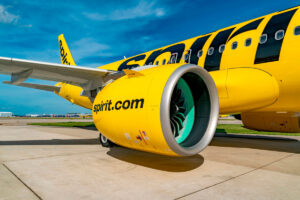
That’s why I’ll be paying close attention on July 9, when the 22 takeoff and landing slots formerly held by Spirit Airlines are scheduled to be auctioned as part of the airline’s bankruptcy proceedings. While it may sound like just another business transaction, the outcome could influence airline competition, ticket prices, airport congestion, and service throughout New York.

Unlike most airports, LaGuardia is slot-controlled. Every takeoff and landing opportunity is valuable because runway capacity is limited and demand is exceptionally high.
Having worked countless flights through LaGuardia, I saw firsthand how every minute matters. Today, as I prepare for a career on the flight deck, I view those operational decisions through an entirely different lens.
Several outcomes are possible. Another low-cost carrier could preserve affordable competition. A legacy airline could strengthen its network. Regulators could also decide that reducing congestion best serves the public.
Although the July 9 auction is expected to determine the winning bidder, the transfer will still require bankruptcy court approval and regulatory review.
Having spent years welcoming passengers aboard flights in New York—and now preparing to welcome them from the cockpit—I’ll be watching what happens on July 9 with great interest. Sometimes the biggest aviation stories aren’t about new airplanes. Sometimes they’re about who gets the opportunity to use 22 of the most valuable takeoff and landing slots in America.
Sources: