


Last month, I took a Southwest flight from LaGuardia Airport to Dallas Love Field. After picking up my car rental, I drove 240 miles west across the North Central Plains of Texas on U.S. Interstate 20. My destination was a town called Sweetwater.
Sweetwater is located 45 miles west of Abilene, and I was heading there to attend the annual ‘WASP Homecoming Celebration & Fly-In’ at the National WASP WWII Museum at Avenger Field. Avenger had served as a U.S. Army Air Forces training base during the Second World War for the WASP; the Women Airforce Service Pilots.
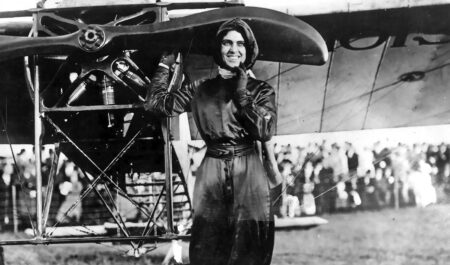
Under the direction of pioneer aviator Jacqueline Cochran, the WASP were the first women trained to fly American military aircraft in service to the country when they were desperately needed for urgent flying duties on the U.S. home front so that male pilots could be released for overseas combat duty. Since the program was initiated in a time of national emergency, it was set up under the Civil Service Commission with the intent to militarize the unit at a later date. (This did not occur until 1977)
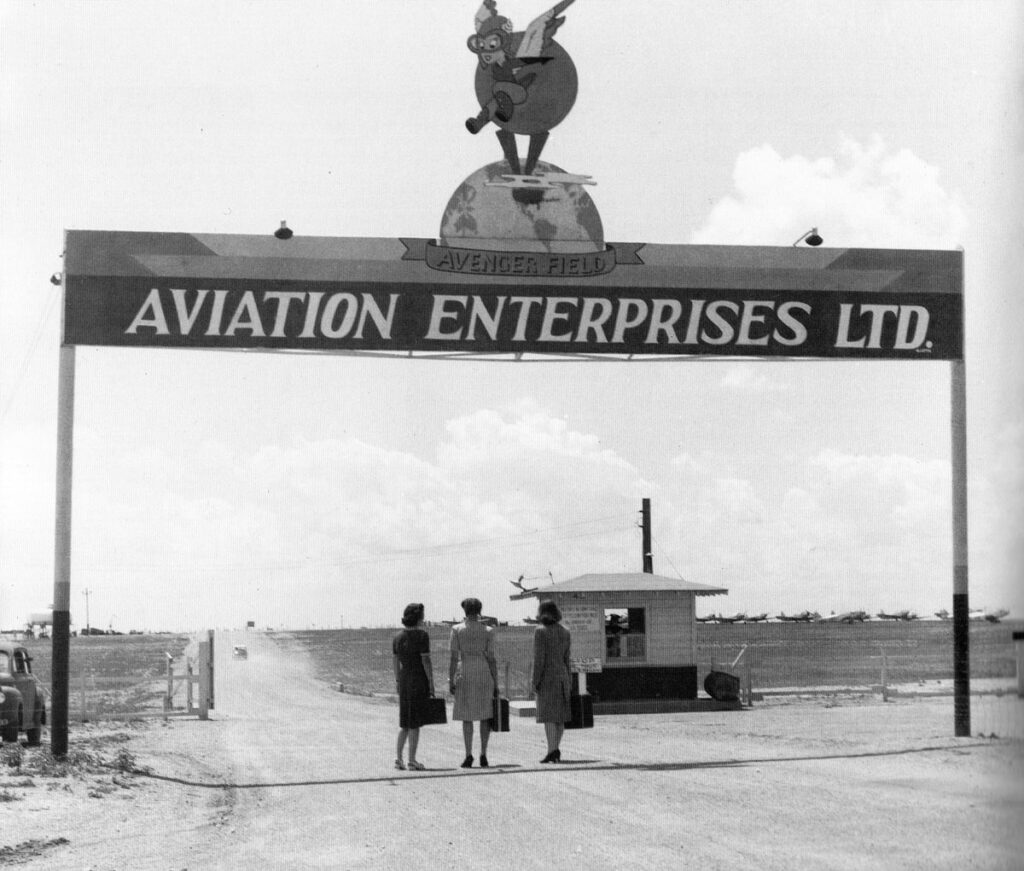
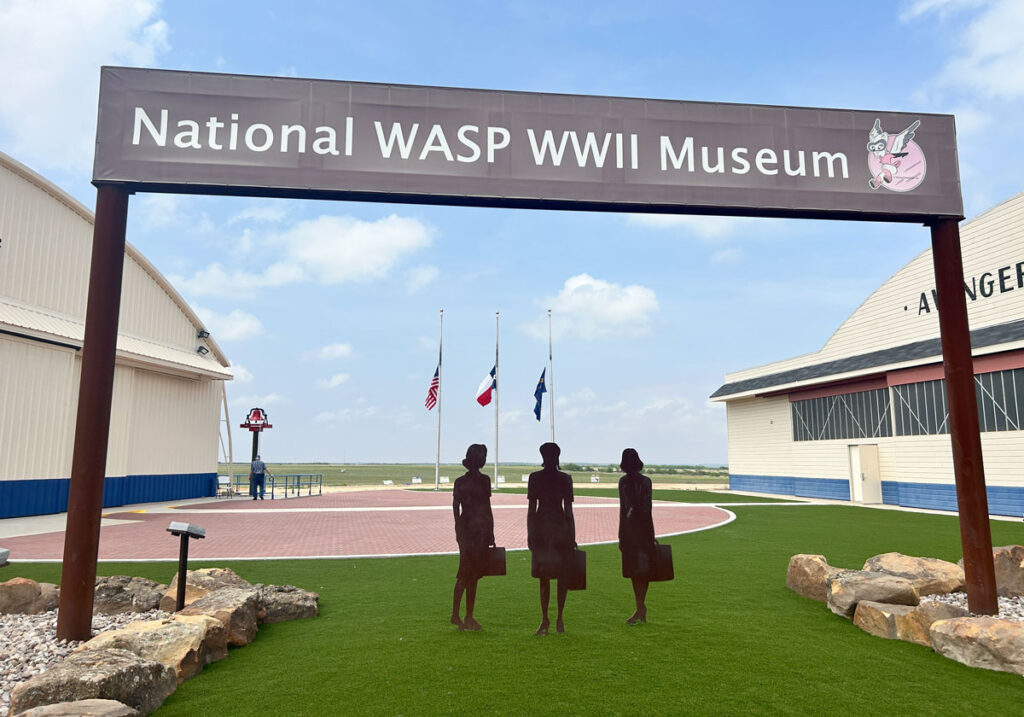
The program initially began as the Women’s Flying Training Detachment (WFTD) at Houston Municipal Airport in November 1942 before it was moved to Sweetwater due to inadequate living facilities, poor weather, and congested air traffic at Houston. Then on February 21, 1943, WFTD trainees reported to Avenger Field, where the majority of WASP learned to fly ‘the military way.’
At the same time that Cochran formed the WFTD, another pioneering pilot, Nancy Harkness Love, created the WAFS (Women Auxiliary Ferrying Squadron) in Wilmington, Delaware, and in August 1943, the WFTD and the WAFS merged to become the Women Airforce Service Pilots, more commonly known as the WASP.
After successfully completing three phases of the rigorous training identical to male cadets; Primary, Basic, Advanced, WASP graduates went on to fly all essential missions for the AAF on the U.S. home front to and from air bases and ports of embarkation throughout the nation. In little over two years, 1,102 WASP logged over 60 million miles flying every aircraft in the AAF’s arsenal, including the fastest fighters, heavy bombers, and the first American jet aircraft; the Bell XP-59A.
The WASP flew in every capacity as their male counterparts (except combat), including ferrying aircraft, test flying, towing targets for live anti-aircraft gunner practice, simulated strafing missions, radio-controlled drones transporting cargo and personnel, and more. Thirty-eight WASP members died in the service of their country in training and operational duty.
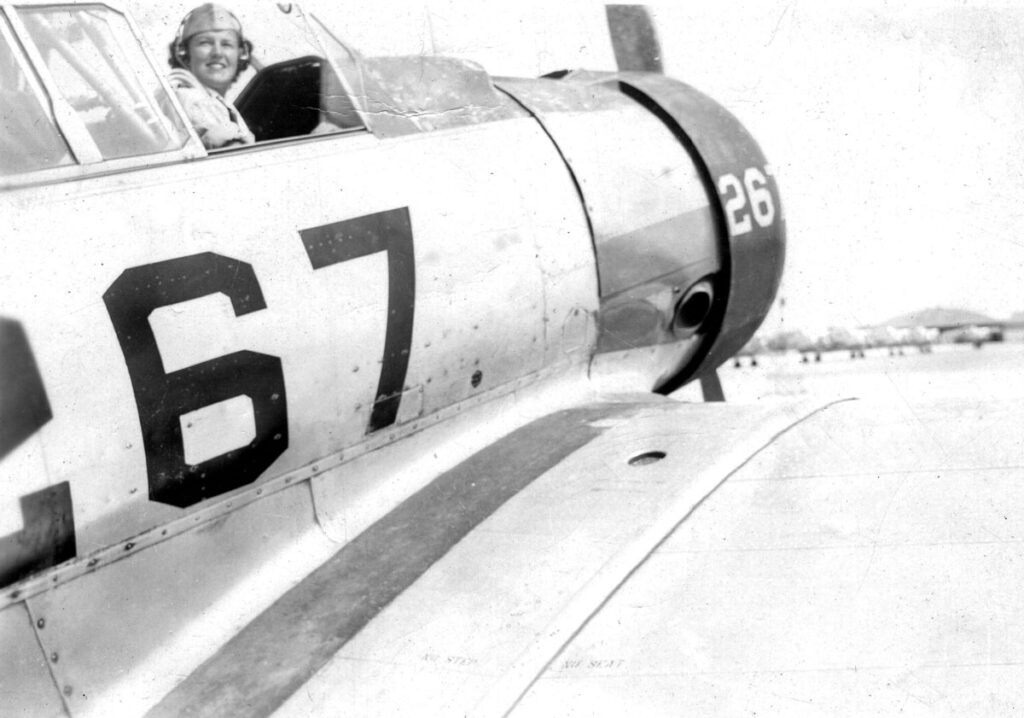
After the bill to militarize the WASP was defeated in Congress in June 1944, by December of that year, the program was deactivated, and it was not until 1977 that they received belated, well-deserved veteran status. In 2010, the WASP of WWII were awarded the Congressional Gold Medal.
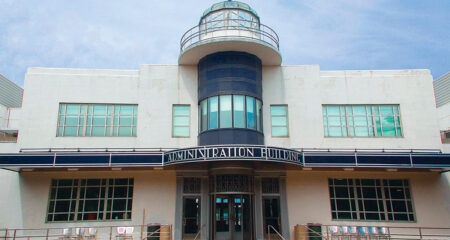
The National WASP WWII Museum, which opened in 2005 in a circa 1929 hangar at Avenger Field, is dedicated to honoring the life and legacy of the WASP and preserving the legacy of Avenger Field. Their mission is to educate and inspire all current and future generations with the story of the WASP -women who brought honor to our nation and forever changed the role of women in military and civilian aviation.

While attending the WASP Homecoming Celebration & Fly-In (in celebration of the museum’s 20th year), I was pleased to present the director of the WASP WWII Museum, Lisa Taylor, a painted portrait of Jackie Cochran for the museum’s collection. I received Cochran’s portrait after her induction into the Long Island Aviation Hall of Fame at the Cradle of Aviation Museum in Garden City in October 2023. Jackie had learned to fly at Roosevelt Field on Long Island in 1932, and it was there that she soloed and earned her pilot’s license after only three weeks. As an aviator Jackie went onto many ‘firsts’, too many to mention here… but in addition to her legacy in creating and directing the WASP program, in May of 1953 she became the first woman to break the sound barrier at the age of 58.
For more information on the National WASP WWII Museum.