




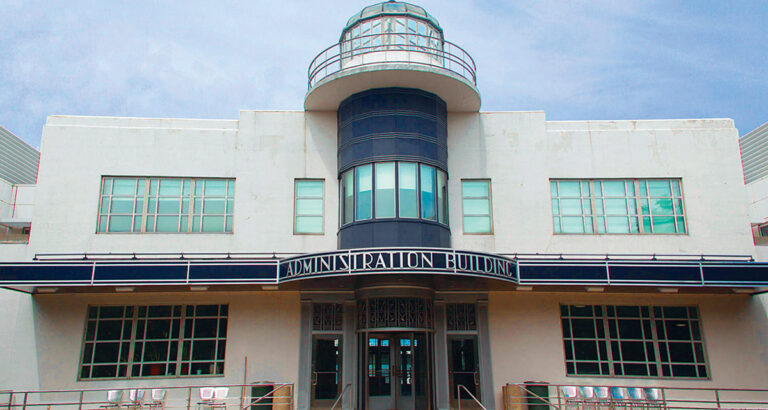
I recently received correspondence from Geoffrey Arend Sr., who commented on my April 2026 Editor’s Notebook article, ‘An Art Deco Icon at Newark Liberty International Airport’.
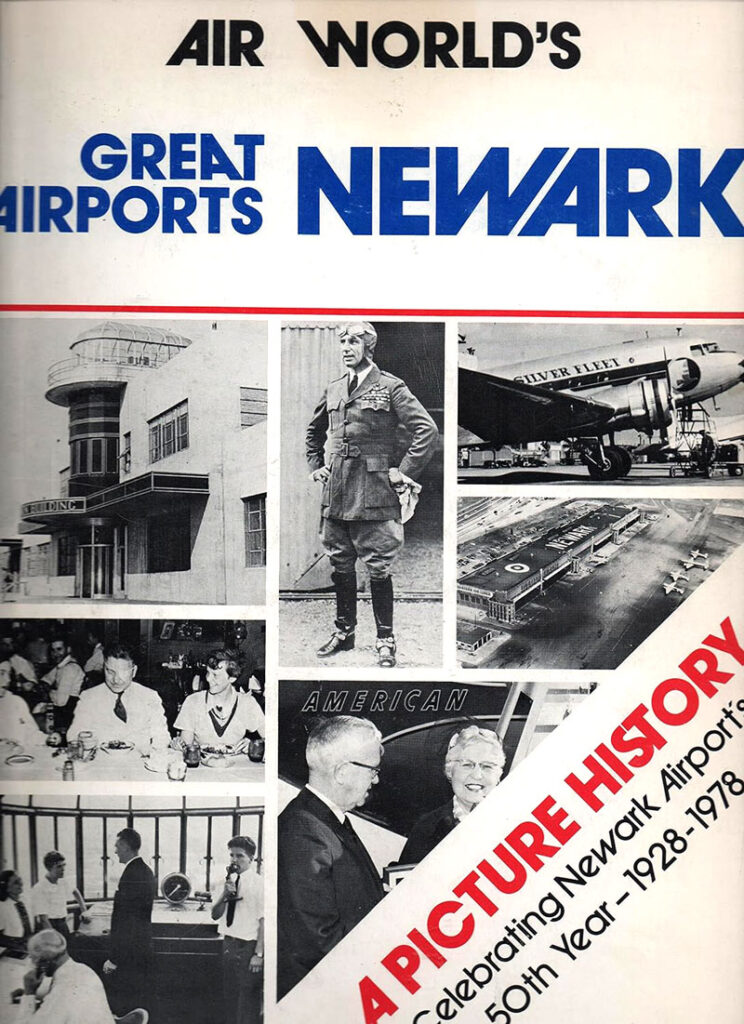
Geoffrey Arend Sr. is an aviation historian and author who led campaigns in the 1970s and 1980s to preserve Newark Airport’s historic 1934 Building One, an Art Deco masterpiece. As publisher of Air Cargo News and author of Great Airports: Newark International, he launched a massive 1979 public campaign that successfully prevented the structure from being demolished. Arend’s advocacy highlighted the building’s architectural and historical significance, including its status as the first commercial passenger terminal in the New York metropolitan area and the nation’s first municipal airport. His work laid the groundwork for the Port Authority’s eventual $8 million restoration of the building, which was rededicated in the early 2000s.
Beyond Newark, his preservation legacy includes spearheading the 1980 restoration of the famous “Flight” mural at LaGuardia Airport’s Marine Air Terminal.
Mr. Arend sent me a link to the Flying Talkers Broadcast – ‘Spotlight on a Newark Airport Landmark’ and wrote:
“Dear Ms. Blum, Saw your coverage at Newark. Thought you might like to give this a listen at some point”.
Kind regards, Geoffrey Arend
P.S. “Here is a picture I took of ‘The Eagle Terrazzo Floor 1934’ in the lobby of that building when I first saw it and decided to dedicate part of my life to saving the place”.
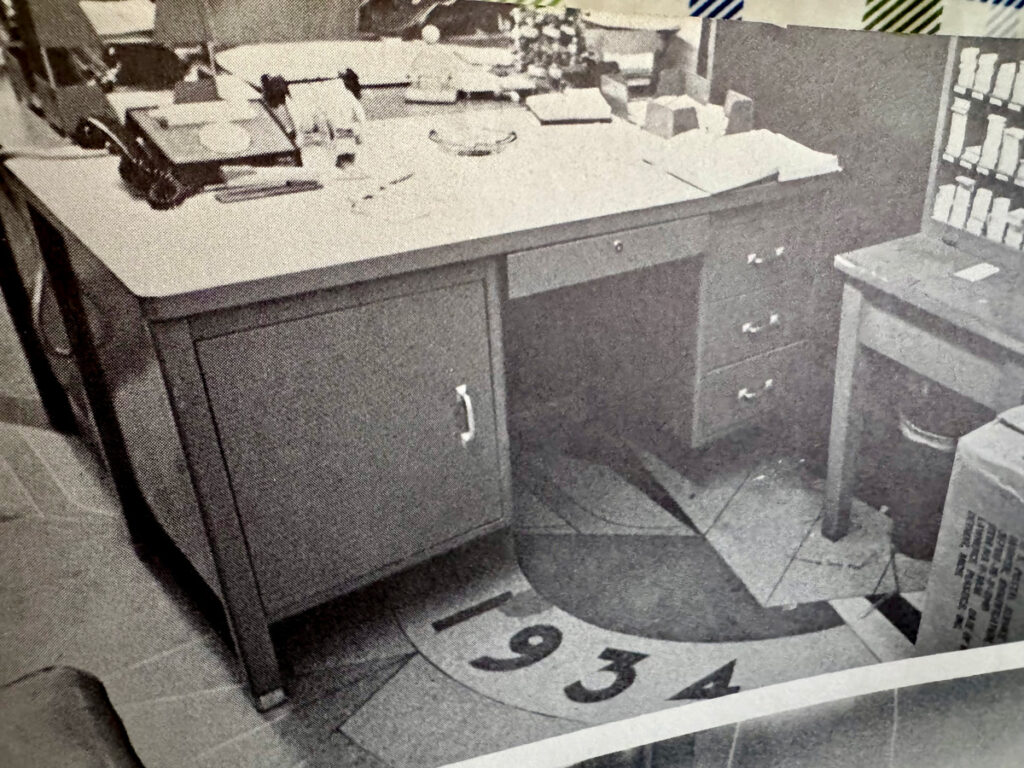
The Flying Talkers Broadcast – ‘Spotlight on a Newark Airport Landmark’ delves deeper into instances where elements of a landmark’s aesthetic core are often downgraded or edited for its reuse. When this is the case, the takeaway is that history doesn’t protect itself. Saving our history requires people to notice when adaptive reuse turns into quiet erasure and to do right by a landmark.
True preservation means actively safeguarding cultural, architectural, and environmental heritage for future generations. Committed networks and dedicated advocates across the country turn this mission into daily action through restoring historic buildings, advocating for policy changes, and volunteering for hands-on ecological stewardship; the careful, responsible, and ethical management of something entrusted to one’s care.
I want to thank Mr. Arend for sharing his valuable insights, for his decades of work to save and preserve our New York and New Jersey metropolitan airport landmarks, and for his continued fidelity to the features that define these treasured places.