



There are moments on this journey to becoming an airline pilot when I pause and realize just how far I’ve come. Walking into my ATP/CTP class at Sander Aviation was one of those moments.
Years ago, I walked down the aisle of airliners as a New York-based flight attendant, making sure passengers were comfortable and ready for departure. This time, I walked into a classroom preparing for one of the final academic milestones before taking my place on the flight deck.
Dreams rarely happen overnight. Mine certainly didn’t.
Like many aspiring airline pilots, I’ve worked multiple jobs, sacrificed weekends, celebrated checkride victories, learned from setbacks, and invested countless hours building flight time. Walking into ATP/CTP wasn’t simply checking another FAA box. It was a reminder that every lesson, every flight hour, and every sacrifice had been worth it.
For readers unfamiliar with ATP/CTP, it stands for Airline Transport Pilot Certification Training Program. Most civilian pilots must complete it before taking the FAA ATP written exam. The course was created following the Colgan Air Flight 3407 tragedy to strengthen airline safety and better prepare future airline pilots.
Several FAA-approved schools and training companies offer ATP/CTP throughout the country. Depending on the provider, location, simulator type, and whether lodging is included, ATP/CTP courses can range anywhere from approximately $4,000 to $10,000. While some airlines reimburse the cost after hiring, many pilots choose to make the investment themselves to become more competitive during the application process. Like many pilots nearing airline minimums, I viewed ATP/CTP as an investment in myself and my future career rather than simply another expense.
Many active-duty military members and veterans can often use GI Bill or Montgomery GI Bill benefits toward eligible programs.
One of the unexpected highlights of Sander Aviation wasn’t just the instruction—it was the people.
My classmates included civilian flight instructors, military helicopter pilots, veterans, and even pilots who fly the incredible F-35 Lightning II. Listening to their stories reminded me that in aviation, your logbook may differ, but your passion for flying is remarkably similar.
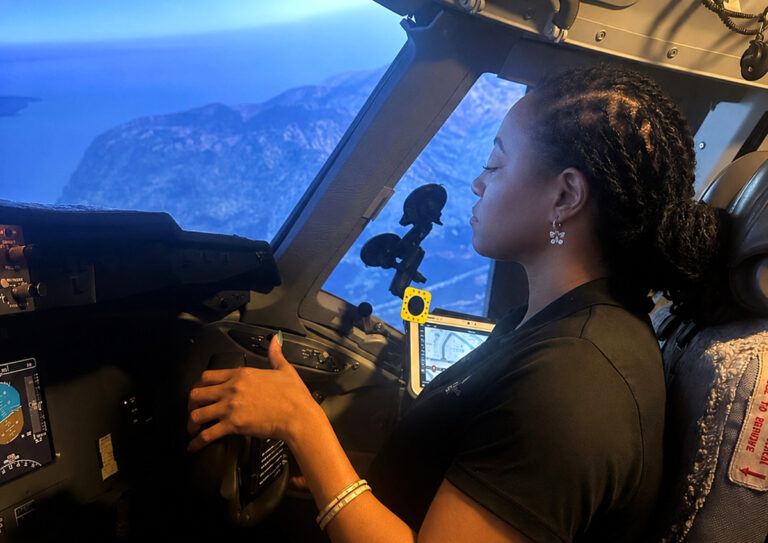
The simulator sessions offered a glimpse into airline operations, but what stood out most wasn’t the technology. It was the emphasis on teamwork. Airline flying isn’t about one pilot. It’s about communication, professionalism, standardization, and trust.
As someone who’s experienced both sides of the cockpit door, I now have an even deeper appreciation for the teamwork between flight attendants and pilots. That perspective is something I’ll carry with me throughout my career.
ATP/CTP isn’t the finish line. It’s simply another step from the cabin to the cockpit.
And standing in that classroom, surrounded by talented aviators from every corner of aviation, I realized I’m exactly where I’m supposed to be.
Five Things to Know Before You Enroll
- Arrive ready to learn—not just to pass the written exam.
- Expect to invest about $4,000–$10,000 unless your airline or military benefits cover it.
- Network with your classmates. Aviation is a small world.
- Embrace the simulator. It’s about decision-making and teamwork as much as flying.
- Take a moment to appreciate the milestone. You’re closer than ever to your airline dream.
