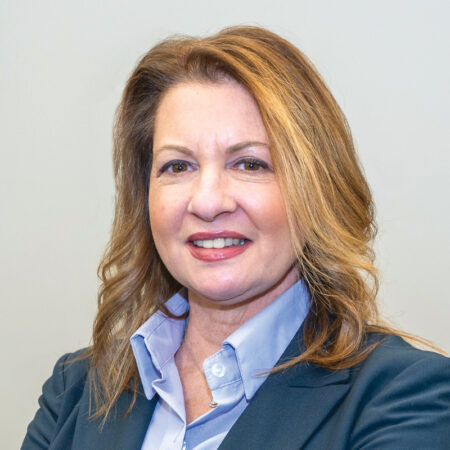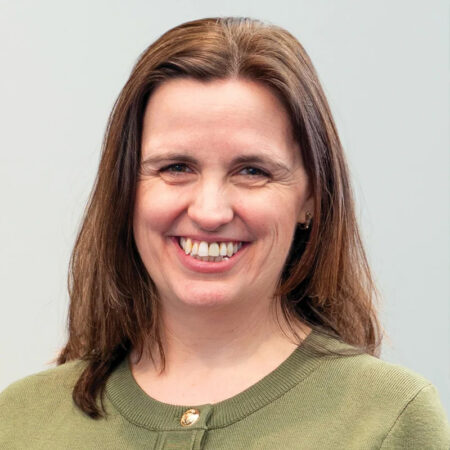


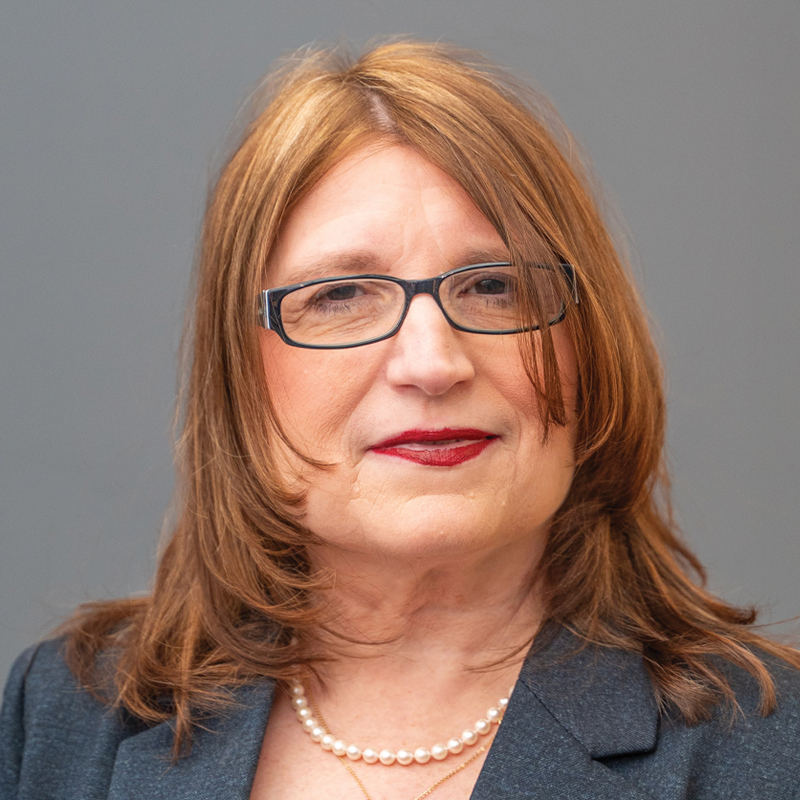
Donna Draghi-Lemay is a seasoned aviation and technology executive, currently serving as Director of IT Products and Systems for The New Terminal One at JFK, where she helps drive the technology vision for the next-generation international terminal opening in 2026. Previously, Donna held senior leadership roles in IT at JetBlue Airways for over fifteen years, overseeing airline IT operations and complex enterprise systems.
A proven program management leader, she is known for aligning technology with business goals, steering large-scale portfolios, and delivering impactful projects. At the New Terminal One, Donna leads a team to deliver resilient, passenger-centric platforms that power everything from terminal operations to the guest digital journey, while fostering a culture of innovation, collaboration, and continuous improvement.
How did you begin your career in aviation or at the airports?
Donna Draghi-Lemay: I actually started my career in finance and banking, where I focused on customer service and supporting clients. Aviation wasn’t something I had ever considered at that point, but everything changed during a training session when we watched a film highlighting companies known for exceptional customer service, and one of the examples was FedEx. The way they operated — the precision, the teamwork, the commitment to doing right by the customer — really resonated with me. It opened my eyes to aviation as an industry built on service, coordination, and purpose.
A few months later, I took my first-ever flight on Piedmont Airlines. Flying wasn’t something my family could afford when I was younger, so the experience was completely new to me. I remember sitting there thinking, “This is incredible — I want to be part of this world.” That moment stayed with me and ultimately set me on the path that led to my career in aviation and airport operations.
Was aviation your first career choice?
Donna Draghi-Lemay: Not at all. In the beginning, I thought my career would stay in banking or another customer-facing environment. But that training film about FedEx planted a seed, and my first flight on Piedmont brought it to life. The experience opened my eyes to how powerful aviation is in connecting people and how much teamwork and coordination it takes to make every journey possible. Even though it wasn’t my original plan, aviation quickly became the right path for me — and once I stepped into the industry, I knew I had found where I belonged.
What are the essential skills that a new airport worker should possess to succeed?
Donna Draghi-Lemay: Airports are incredibly dynamic places, so there are a few skills that really help someone thrive from the start:
- Adaptability: Things change quickly in an airport environment. Being able to adjust and stay calm makes a huge difference.
- Communication: Clear, respectful communication keeps everything moving — whether you’re talking with passengers/customers, partners, or internal teams.
- Empathy: This is a big one. Putting yourself in your customer’s shoes helps you understand what they might be feeling — stressed, confused, excited, overwhelmed — and respond in a way that truly supports them.
- Awareness of when to offer help: As much as we want to jump in and assist, good customer experience can’t be forced. It’s important to offer help, give people the opportunity to accept it, and respect their space if they choose to handle things on their own.
- Situational awareness: Understanding how your role fits into the bigger picture — safety, operations, customer experience — helps you make better decisions.
- Teamwork: Nothing in an airport happens in isolation. Success comes from working well with others, respecting each role, and knowing when to step in or step back.
If someone brings these skills — or is open to developing them — they can build a strong foundation for a long and successful career in aviation or just about anywhere else.
Did you have a mentor at the start of your career? Can you share your experience with them and how they influenced your career?
I didn’t have a formal mentor early in my career. What I did have was the opportunity to work with a wide range of people — some truly great, and some who taught me what not to do. I learned a tremendous amount simply by observing. I’ve always believed that character is who you are when no one is looking, so I paid close attention to how people behaved in the everyday moments — how they treated others, how they handled pressure, and how they showed up when things were hard.
Much later in my career, I did have a formal mentor for a period of time, and that experience reinforced the value of having someone who can offer perspective, encouragement, and honest feedback. It helped me refine my leadership style and reminded me how important it is to invest in others.
Because of all of that, I’ve always tried to give freely of my time — to mentor, coach, answer questions, share stories, and simply connect with people. If something I’ve learned along the way can help someone else, I’m always happy to pass it on.
What distinguishes the New York metropolitan area from other aviation and airport markets?
Donna Draghi-Lemay: I’ve spent more than 30 years in this industry, all of it in the New York metropolitan area, and I can say with confidence that this market is unlike any other. We operate in one of the most complex aviation environments in the world — from the density of our airspace to the
age and scale of our infrastructure, to the sheer volume and diversity of the passengers we serve every single day.
New York’s airports sit at the intersection of global business, tourism, culture, and community. We’re not just moving people from point A to point B — we’re connecting and welcoming millions of travelers, and supporting a region that never slows down. That creates a level of operational intensity that you don’t see in many other places.
What also sets New York apart is the constant balancing act between modernization and legacy. We’re rebuilding terminals while still operating them, upgrading systems while keeping the operation running, and coordinating with an incredible number of stakeholders — airlines, agencies, partners, and communities — all with different needs and priorities.
And then there’s the pace. New York moves fast. Expectations are high. But that’s also what makes it exciting. Working in this market teaches you resilience, creativity, and the ability to solve problems in real time. It pushes you to grow, to collaborate, and to think bigger. This region shapes you. It challenges you. And it gives you opportunities you might not find anywhere else.
How are the insights of women in leadership roles important in fostering innovation and the commitment to sustainability and inclusivity?
Donna Draghi-Lemay: I think one of the greatest strengths women bring to leadership is that we often approach problems from different angles — and that diversity of thought is exactly what drives innovation.
Women, in particular, tend to lead with a blend of empathy, awareness, and long‑term thinking. Those qualities are incredibly important when you’re talking about sustainability and inclusivity. They help us consider not just the immediate outcome, but the broader impact — on people, on communities, and on the future of the organization.
But I also believe it’s bigger than gender alone. It’s about having leaders who are willing to listen, to challenge the status quo, and to create space for voices that might otherwise go unheard. Women often model that behavior, and it sets a tone that encourages others to do the same.
When you have leadership teams that reflect a range of perspectives — including women — you get more thoughtful decision‑making, more creative problem‑solving, and a stronger commitment to doing what’s right, not just what’s easy. That’s how you build organizations that are not only innovative, but also sustainable and inclusive in a way that truly lasts.

The New Terminal One at JFK
154-20-154-42 134th Street
Jamaica, NY 11430
www.anewjfk.com