

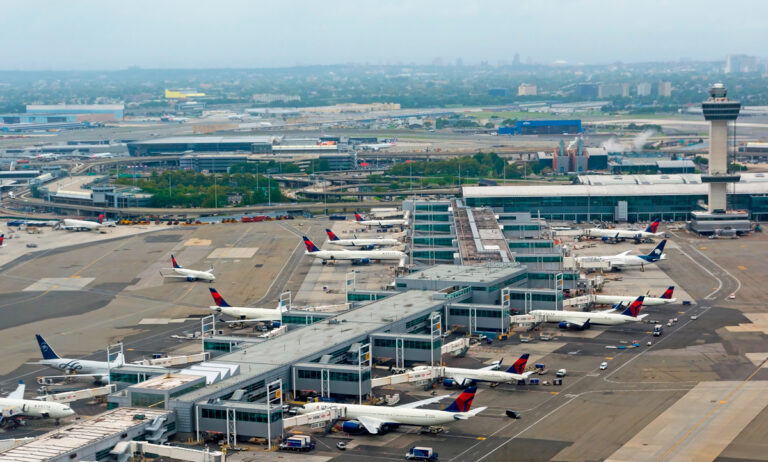
Airports are more than transit points; they are vital centers of workforce development, essential for both employment and economic stability. While passengers often perceive airports as mere places to rush through, the right blend of workforce training, development, and staff satisfaction can transform airports into efficient and satisfying workplaces for operational staff. Ensuring a pleasant working environment is crucial for creating a seamless travel experience for passengers.
Workforce Training and Development
Operational staff at airports face unique challenges, such as managing security protocols and overseeing technical operations. Comprehensive training programs are essential to ensure personnel are adequately prepared for these responsibilities. Ongoing training enables employees to stay informed about the latest technologies and best practices, which is critical for maintaining safety compliance and operational efficiency.
Enhancing both the personal attributes, such as mentorship or arts development and the professional technical skills of airport operational staff provides substantial benefits to airports. Incorporating employees’ unique talents, including arts and music, into airport operations or design requires meticulous planning to enrich the passenger experience without causing disruptions. This integration has the potential to unlock economic opportunities and offer staff unique experiences that are not typically available elsewhere.
The New York State Assembly Bill 2025-A938 emphasizes the importance of continuous training for airport staff, authorizing municipal and authority-owned or operated airports to hire and promote employees on a permanent basis. This bill underscores the significance of investing in training programs that provide employees with opportunities for professional growth and personal development.
High turnover rates among customer service and security roles can disrupt service quality and operational continuity. Effective retention strategies, including employee engagement initiatives, career development opportunities, and flexible working arrangements, are essential. Fair compensation across all roles, particularly for lower-paid positions, is crucial for workforce stability. Competitive wages and comprehensive benefits packages improve job satisfaction and reduce turnover rates.
Enhancing Staff Satisfaction
Diversity and inclusion within the airport workforce can enhance problem-solving, innovation, and overall employee satisfaction. Training programs on cultural competency and equal opportunity policies can create a harmonious and supportive work environment. Promoting health and wellness initiatives, including mental health support, ensures that employees are well cared for. Healthy employees are more productive and contribute to a positive workplace culture.
To improve staff satisfaction, airports should invest in advanced technologies to streamline operations and reduce manual tasks. This enables employees to concentrate on more critical functions, which can enhance their sense of purpose and job satisfaction. For instance, implementing advanced baggage handling systems can minimize the need for manual labor, allowing staff to focus on customer service and other important duties such as personal and professional development.
Creating a positive work environment is equally important. Recognizing employee achievements, offering career development opportunities, and implementing flexible working arrangements can significantly boost morale and retention. By prioritizing workforce development and fair labor practices, airports can ensure a better working environment for their employees.
City and State-Level Policies
New York City and State have implemented several policies that impact airport operations and workforce dynamics. New York State’s minimum wage laws ensure fair compensation for workers, especially in lower-wage roles like custodians and passenger service agents. This helps reduce turnover and improve job satisfaction.
NYC’s Paid Safe and Sick Leave Law allows workers to take paid time off for health-related issues, reducing absenteeism and promoting a healthier workforce. State-funded programs, like those from the Empire State Development Corporation, enhance skills and employability through training initiatives. New York State’s stringent environmental policies also influence airport operations, requiring additional training and compliance efforts, contributing to a greener aviation industry.
Economic Contributions
New York City’s airports contribute billions of dollars to the regional economy. They support tourism, trade, and commerce, benefiting industries like hospitality and logistics. Airports generate substantial indirect and induced economic impacts by creating jobs and stimulating spending in surrounding communities.
The economic impact of NYC airports extends beyond their role as travel hubs. They are crucial for job creation, economic stimulation, and community support. Addressing workforce challenges and promoting efficiency through targeted strategies is essential for sustaining their contributions to the regional economy.
By focusing on workforce development, training, and staff satisfaction, NYC airports can enhance operational efficiency and improve working conditions. Investing in their workforce ensures that airports remain vibrant and effective centers of transportation. As air travel continues to grow, reimagining airports as supportive and efficient workplaces for operational staff can create a more enjoyable and seamless travel experience for all.
In conclusion, airports in New York City serve as more than mere transit points. By emphasizing the satisfaction and development of their operational staff and integrating staff talents or personal attributes into airport functions, such as art installations by staff members, these airports can sustain their pivotal role in the regional economy while fostering an improved working environment for employees. This focus on workforce dynamics and efficiency will ultimately result in a more positive and memorable experience for both passengers and staff.
