




Karen Ali was appointed Chief Operating Officer (COO) of JFK Millennium Partners (JMP) in July 2024. A key senior leadership team member, she oversees Terminal 7 operations, managing customer experience, budgeting, capital projects, risk management, and people leadership. Additionally, she plays a pivotal role during the ongoing construction of Terminal 6, working closely with capital development and construction teams to ensure a seamless transition to the new facilities, coordinating efforts in testing, commissioning, and implementation.
Ms. Ali brings nearly 20 years of experience in operations management, project leadership, and business transformation across multiple sectors, including aviation, to her role. During her tenure at WestJet, she held various senior management roles for nearly a decade. She served as Regional Operations Manager, overseeing the airline’s international operations, including the New York airports. As Director of Operations at Lynx Air, she was responsible for implementing and managing all systems, processes, workflows, and procedures during the airline’s start-up phase.
How did you get your start working in aviation?
Karen Ali: My journey in aviation began while I was in college, when I took on a summer role as a customer service representative with an airline. That’s when I truly caught the “jet fuel” bug! I was immediately drawn to the fast-paced nature of the airport, the constant need to think on my feet, and the collaborative spirit that exists within the airport community—everyone working together to resolve issues and support each other. Over the years, I transitioned into a variety of roles across learning and development, operational excellence, and global operations.
However, no matter where I went, my foundation as a customer service agent remained pivotal. There, I learned valuable lessons in humility, leadership, teamwork, and a deep appreciation for the vital contributions of every member of the airport ecosystem.
What are the top skills a new airport worker should have to succeed?
Karen Ali: The ability to navigate the unknown and think creatively to solve complex problems is absolutely essential. The airport environment is unique—it’s fast-paced, highly regulated, and involves constant interaction with various regulatory bodies and stakeholders, often all under the same roof. Being adaptable and comfortable with change is crucial, as no two days are the same.
Additionally, a genuine desire to help people is key to success. Whether it’s assisting travelers or collaborating with colleagues, that sense of service and community will always drive success in the airport environment.
Does your company have internships or other programs to attract young employees?
Karen Ali: Yes! Recruitment for our JMP summer internship program begins this month, with several interesting positions available in our T6 project, community outreach, and communications teams. We’ll be working closely with York and Vaughn College on recruitment efforts but are interested in speaking with students from all colleges and universities who have an interest in aviation. One of our talented JMP designers got his start with us as a Vantage Group intern on the LaGuardia Terminal B project, so it’s an excellent opportunity to get your feet wet and grow within the company.
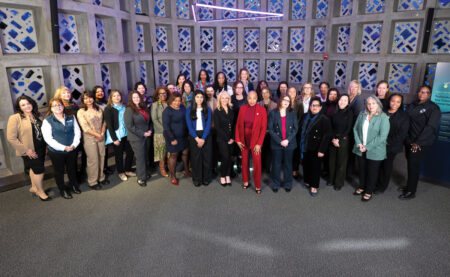
How are the insights of women in leadership roles important in fostering innovation and the commitment to sustainability and inclusivity?
Karen Ali: The insights of women in leadership roles are absolutely critical in fostering innovation, sustainability, and inclusivity. Diverse perspectives drive creativity and open new avenues for problem-solving, and women bring unique approaches to leadership that help challenge traditional thinking. In aviation, where change is constant and complex, having women in decision-making roles allows for a broader range of ideas, which is vital to driving innovation—whether it’s in technology, customer experience, or operational efficiency.
Moreover, women leaders are often deeply committed to sustainability and inclusivity, not just as corporate goals, but as essential values that align with the broader needs of society. Their focus on creating inclusive environments ensures that all voices are heard, leading to more equitable and effective solutions. In terms of sustainability, women leaders tend to prioritize long-term thinking, understanding that the health of the planet and the community is key to the continued success of the industry. Ultimately, our leadership helps create an ecosystem where both innovation and social responsibility thrive together.
What is the most memorable moment during your career in aviation or at the airports?
Karen Ali: There have been countless memorable moments, but one that stands out is the one at LaGuardia Airport. The airline I was with had to cancel a flight, so we began moving passengers from the gate area to the check-in counters for rebooking. Just as we were preparing to assist the passengers, we received word that the flight had been reinstated. The team quickly sprang into action- working with TSA to reopen the checkpoint, coordinating with baggage handlers to get the luggage loaded, and ensuring the guest experience teams were supporting passengers every step of the way. One passenger told me she wanted to be upset but couldn’t bring herself to be because everyone was so kind and accommodating. It was a testament to how well the entire team came together in a difficult situation to deliver a positive experience. In the end, we were able to get everyone home safely, and the gratitude from our guests was the highlight of the day. Aviation professionals are truly a unique group, characterized by a deep sense of kindness and a genuine respect for the human experience. They understand that at the heart of every operation is a person, and their dedication to service reflects this commitment to making each journey as smooth and positive as possible.
What makes the New York metropolitan area unique to other aviation/airport markets?
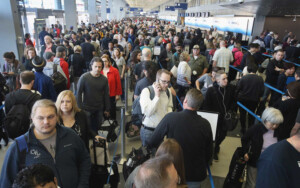
Karen Ali: The New York metropolitan area is truly one of a kind in the aviation world. The region is home to some of the busiest and most iconic airports, each with its own unique challenges and opportunities. What makes this market stand out is not only its size and volume of traffic but also its diversity. JFK resides in the most diverse borough in NYC, and our vibrant workforce is truly an asset. As a global hub and the “front door” to the United States, JFK connects people and cultures from around the world; this requires a level of operational complexity that few other regions encounter. The competition in this market is fierce, with airlines constantly striving to provide superior service and efficiency to meet travelers’ high expectations. Additionally, the city’s dense population and international appeal create a unique blend of passenger needs—ranging from business travelers to tourists, with varied expectations around service, convenience, and speed. Navigating this dynamic environment requires creativity, collaboration, and agility from everyone involved, whether it’s managing airside operations, customer service, or infrastructure development.
How has your company/institution adapted to the sustainability initiatives at our airports?
Karen Ali: JMP is embracing the Port Authority’s sustainability initiatives by implementing several key strategies at the new T6, including rainwater harvesting and reuse, and through our future all-electric fleet of ground services equipment. We’ve installed a 75,000-gallon stormwater tank at T6 to collect and store water. This harvested rainwater will then be treated and reused for non-potable purposes, such as toilet flushing. By integrating rainwater harvesting into our operations, we can reduce our reliance on municipal water supplies and lower our overall water consumption. This not only helps conserve precious water resources but also aligns with JMP’s commitment to environmental stewardship and sustainability. Our future all-electric ground services equipment fleet will be shared by T6 airlines and other partners in a common-use setup. Together these initiatives are key components of our broader sustainability strategy – underlining JMP’s commitment to reducing our carbon footprint by maximizing operational efficiency and eliminating our dependency on fossil fuels throughout the terminal, promoting a greener, more sustainable future for air travel.

JFK Millennium Partners
JFK Airport, Terminal 7
Jamaica, NY 11430
www.anewjfk.com