



Whether you are a seasoned New Yorker or an awestruck newcomer, the magic of NYC is truly captivating.
New York City… its appeal is undeniable, with its mixture of culture, celebrated sights, diverse experiences, and its offerings of something for every traveler, whether a first-time visitor, a seasoned voyager, or a local denizen.
With four of its five boroughs on islands, it is geographically unique. Composed of Manhattan Island, Staten Island, and Long Island, where Brooklyn and Queens are located, only the Bronx is on the mainland of New York State, and each borough is separated by a series of waterways and rivers.
Whereas Manhattan is separated from New Jersey by the Hudson River, and the Harlem and East Rivers separate Manhattan from the Bronx and Long Island, the Long Island Sound separates the Bronx from Queens, and Staten Island is separated from Brooklyn, Manhattan, and New Jersey by the Narrows, New York Harbor, and the Arthur Kill and Kill Van Kull waterways, respectively.
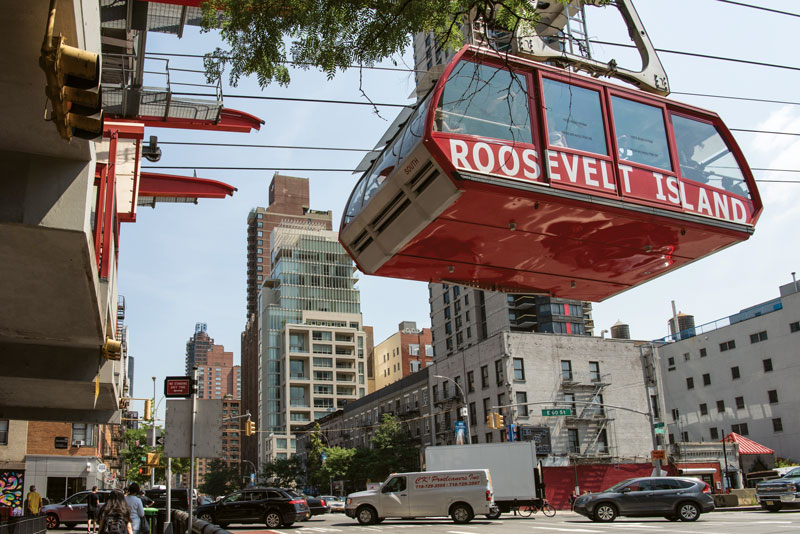
New York City’s extensive urban infrastructure consists of a complex network of bridges, tunnels, ferries, subway channels, roadways, and airports operated by the Metropolitan Transportation Authority (MTA), the New York City Department of Transportation (NYCDOT), and the Port Authority of New York & New Jersey (PANYNJ).
For over a century, the Port Authority’s network of critical bridges, tunnels, and bus terminals, a commuter rail line, the busiest seaport on the East Coast, and its airports have transported hundreds of millions of people and moved essential goods into and out of the region.
This includes the agency’s operation of the region’s major commercial airports: John F. Kennedy International Airport (JFK), LaGuardia Airport (LGA), and Newark Liberty International Airport (EWR). Alongside Stewart International Airport (SWF) in Orange County, NY, these airports represent the largest airport system in the United States. In 2024, alone, the Port Authority’s four commercial airports served a record 145.9 million passengers, surpassing previous records.
With the agency’s $37 billion 10-year capital plan that includes the transformation of JFK International, LaGuardia Airport, and Newark Liberty International, in addition to a wide array of other new and upgraded assets, including the $2 billion renovation of the nearly century-old George Washington Bridge, this massive infrastructure project continues to solidify the New York metropolitan region along the Atlantic coast as, not only as a ‘gateway’, but as a major hub for international transportation, trade, immigration, and tourism.
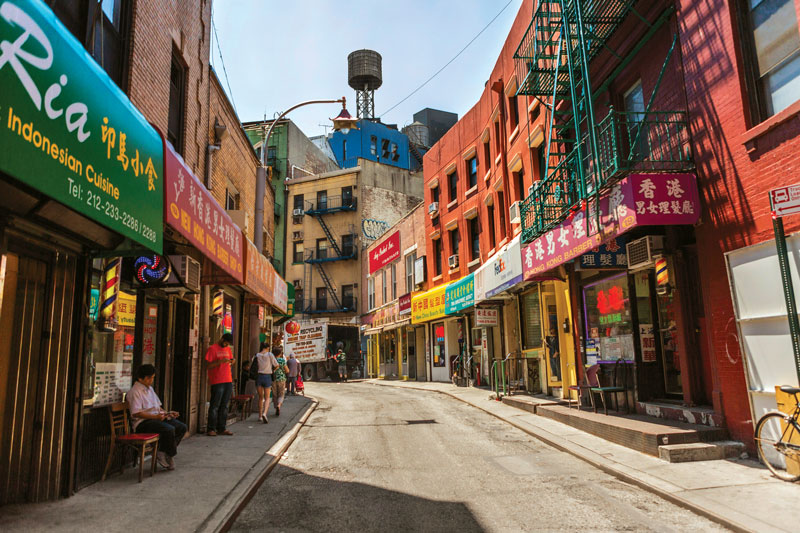
Within the Port Authority’s revamping of all three of its major airports at a cost of nearly $30 billion, in collaboration with its Public Private Partnerships (PPS), the agency has successfully worked, and continues to work, on instilling each one of its airports with a distinct ‘New York Sense of Place’. Through its many initiatives that include public art programs featuring local artists, architectural design that incorporates New York landmarks, and partnerships with local businesses to provide unique retail and dining experiences, the Port Authority’s goal is to make the airports a reflection of New York City’s vibrant culture and energy.
Travelers now experience these initiatives at the soaring new arrivals and departures hall at LaGuardia’s Terminal B, which opened its doors in June 2020, followed by Delta’s new arrivals and departures hall at Terminal C, which opened in June 2022.
At Newark Liberty International Airport, the recently completed Terminal A is the centerpiece of the airport-wide renaissance designed to establish it as a world-class gateway for the New Jersey and New York metro region.
And with the current transformation of JFK International Airport underway, the $1.5 billion expansion of Terminal 4, led by Delta and JFK International Air Terminal (JFKIAT); the $125 million commercial redevelopment program at Terminal 8, which follows the completion of a $400 million expansion led by American Airlines, and British Airways; the ongoing $4.2 billion development of a state-or-the-art new Terminal 6, led by JFK Millennium Partners, which will connect with JetBlue’s existing Terminal 5, and the $9.5 billion state-of-the art New Terminal One (NTO), with a consortium of financial sponsors, the vision and goal for a unified, modern airport with a ‘New York Sense of Place’ is one that all travelers will be greeted with as they arrive to, or depart from New York along their travel journey.
At a July 2025 announcement of an expansive market for travel essentials at the forthcoming NTO at JFK that will celebrate New York’s architecture and soaring skylines, Port Authority Executive Director, Rick Cotton said, “We are prioritizing the customer experience at our airports as the first impression of the New York-New Jersey area for millions of international travelers, so it is vital that our $19 billion redevelopment of JFK includes diverse local businesses from our local community to provide that distinct New York sensibility as travelers move through JFK,’’ adding, “There is no place like New York, and these local businesses help JFK reflect that unique New York energy as an exciting part of travelers’ memories of their time here.”
For both international and domestic travelers arriving into New York City airports, there is a vast and almost unlimited array of experiences that await them after they pass through the gates and doors leading out of the terminal … and each one of New York City’s five boroughs, whereas many as 800 languages are spoken, have their very own vibe and ‘essence’ to experience along their journey.
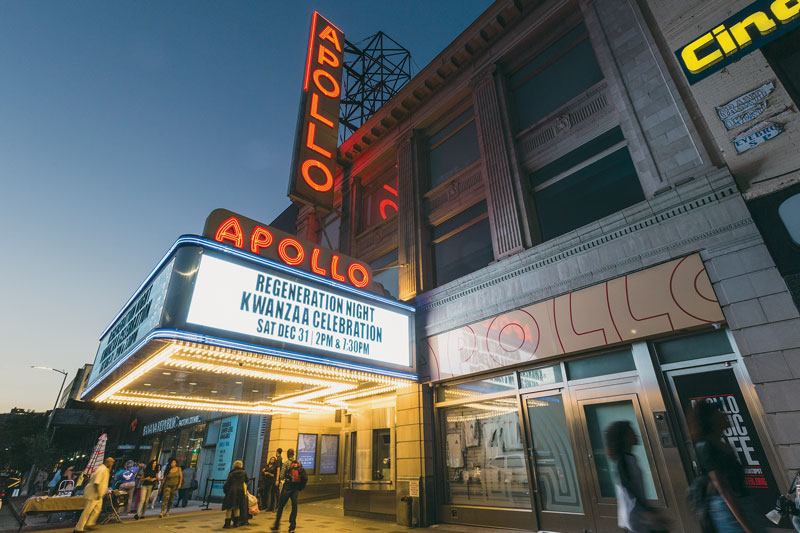
Manhattan
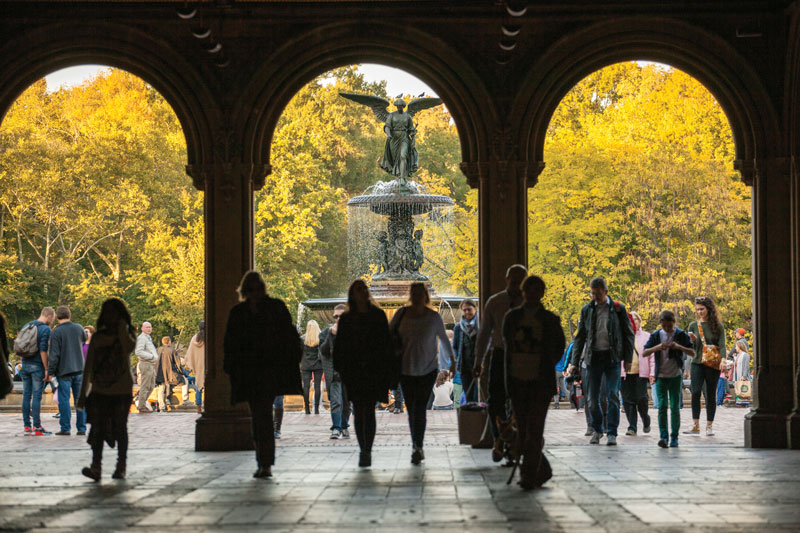
Famously branded as ‘Gotham’, ‘The City That Never Sleeps’, or ‘The Big Apple’ Manhattan is the most densely populated and geographically smallest of New York City’s five boroughs. It is a cultural epicenter, renowned for its energy, resilience, diversity, iconic landmarks, and as a dynamic and enriching melting pot. ‘The Big Apple’ is a global hub, leading in finance, media, and politics. Rooted in its many cultural movements, it is renowned for its significant visual arts and music scene, world-class culinary scene, fashion industry, and the city’s ever-changing skyline, featuring the Empire State Building, the Chrysler Building, and the Statue of Liberty. Both visitors and native New Yorkers can enjoy Manhattan’s over 50 world-class museums, its art galleries, music and dance venues, Broadway, Times Square, Rockefeller Center, Central Park, and its many, many hosted cultural events. And that just scratches the surface of things to do in the ‘Empire City’.
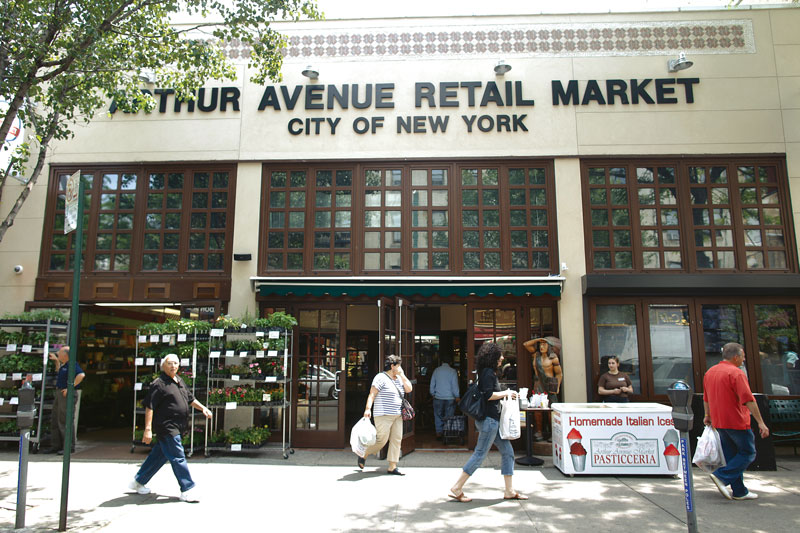
The Bronx
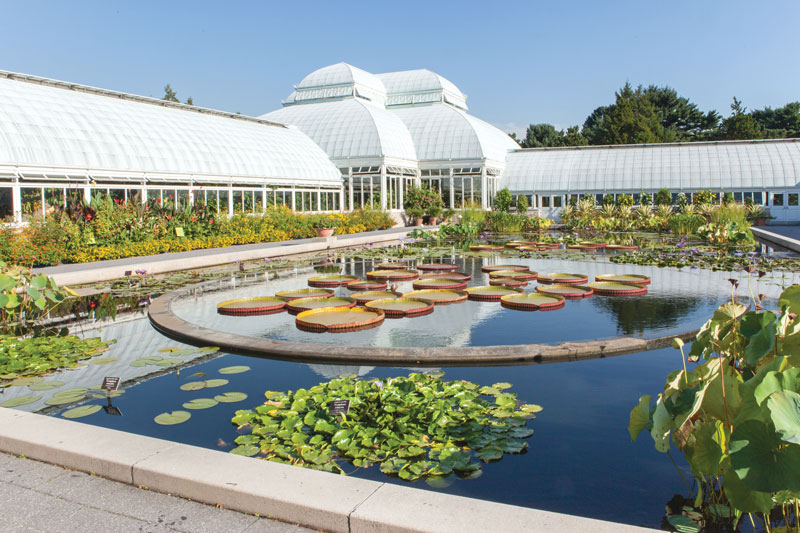
Also known as ‘The Borough that Ruth Built’ and ‘The Boogie Down Bronx’ is the northern-most of the five boroughs of New York City. Filled with history and culture, the Bronx is where Hip-Hop was born and where Babe Ruth became a baseball legend. Some of its major attractions include the New York Botanical Garden, the Bronx Zoo, the Bronx Museum of the Arts, Yankee Stadium, Bronx’ Little Italy on Arthur Avenue, the Hip Hop Museum, Pelham Bay Park, City Island, Woodlawn Cemetery, a National Historic Landmark noted for its impressive funerary architecture and notable burials, and so much more.
Brooklyn
‘The Borough of Trees’ and ‘The Borough of Homes and Churches’ – these names highlight Brooklyn’s residential areas, religious institutions, and the many parks and green spaces in the borough. Brooklyn is the most populous of the five boroughs of NYC; it shares a land border with Queens and is located at the westernmost end of Long Island. Formerly an independent city, Brooklyn is sometimes referred to as ‘The Twin City’, a name that remains a historical reference point when noting the relationship between Brooklyn and New York City before their merger.
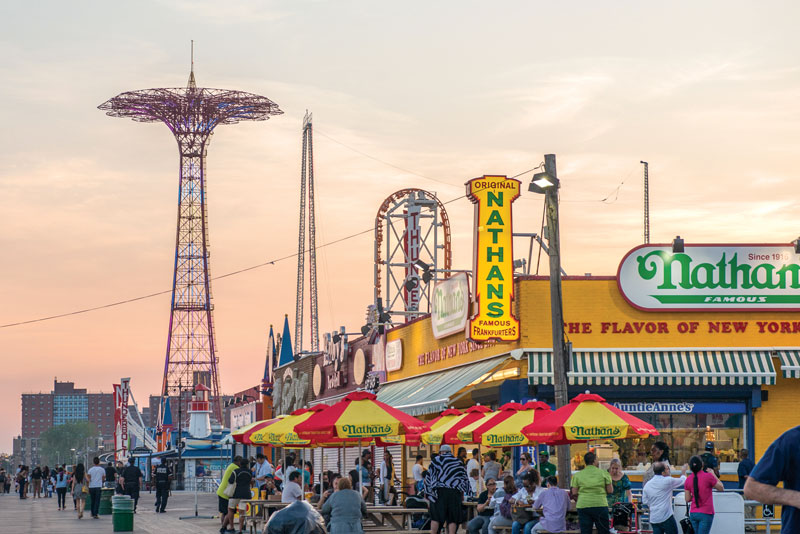
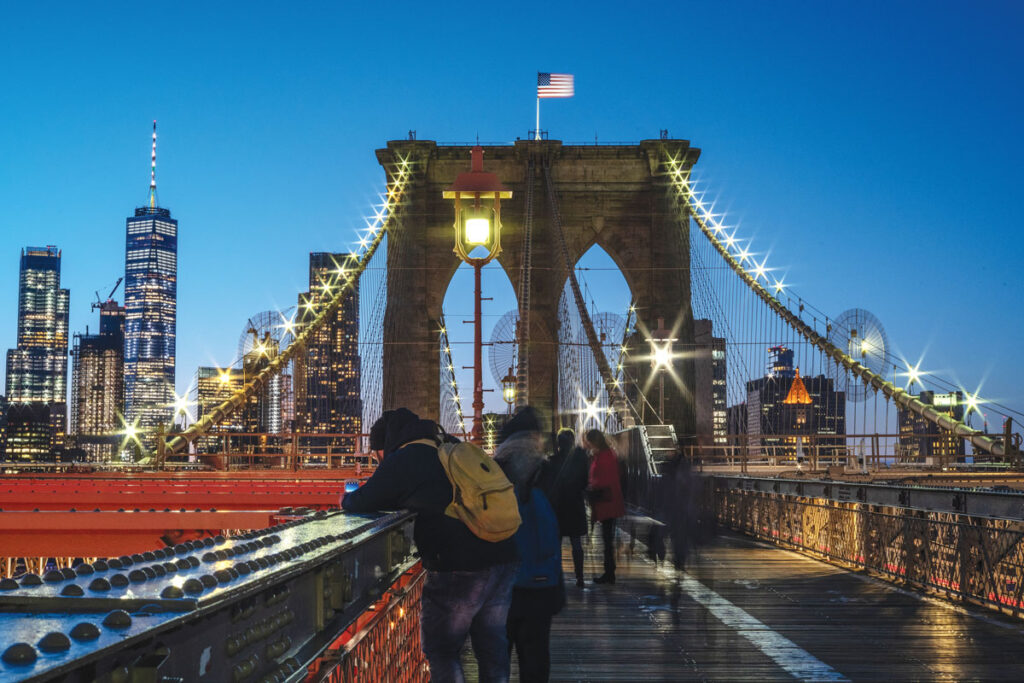
With several bridge and tunnel connections to Manhattan, across the East River, the most famous, architecturally significant connection is the Brooklyn Bridge and the Verrazzano-Narrows Bridge, which connects the borough to Staten Island. For both locals and out-of-towners, Brooklyn features a diverse array of attractions. Parks and gardens include Prospect Park, the Brooklyn Botanic Garden, Brooklyn Bridge Park, and Floyd Bennett Field Gateway National Park. Some of its cultural institutions are the Brooklyn Museum, the New York Transit Museum, and the Brooklyn Academy of Music.
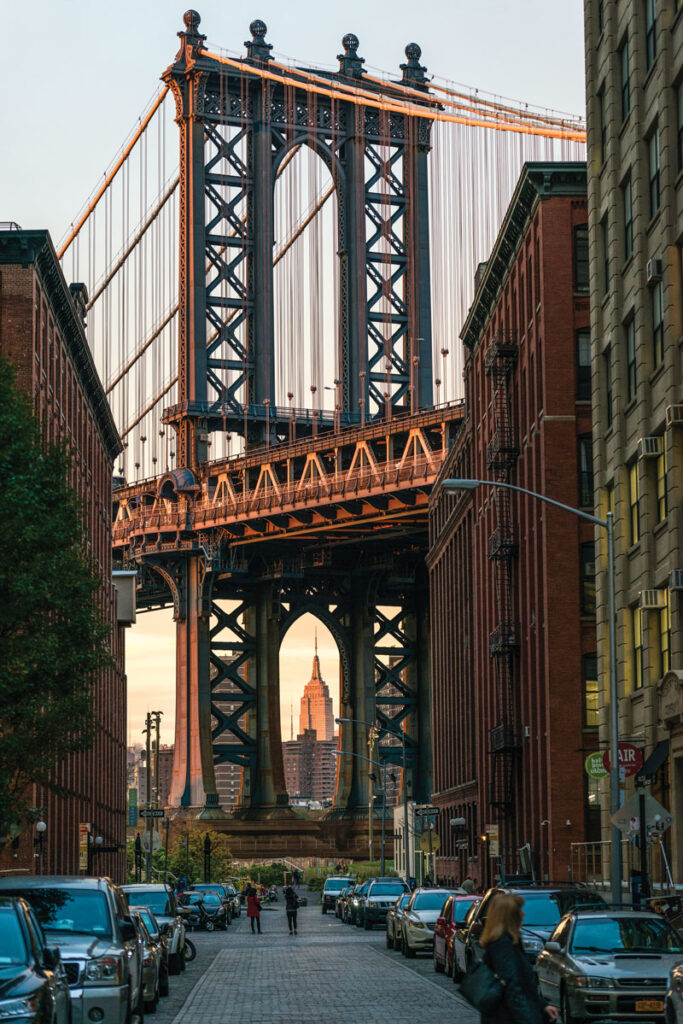
With classic riverfront views, DUMBO, an acronym for Down Under the Manhattan Bridge Overpass, is popular with both tourists and locals, while fashionable Williamsburg is laden with stylish boutiques, trendy cafes, dance clubs, music halls, and street art that graces repurposed factories. Additionally, its waterfront offers gorgeous views of Manhattan and seasonal venues for outdoor concerts and food markets. Its largest entertainment venues include Coney Island, Brighton Beach, and the Barclays Center.
Queens
‘The World’s Borough’ is the easternmost and largest of New York City’s boroughs, located on the western end of Long Island, and is home to both LaGuardia and JFK International Airport. Often dubbed as ‘The World’s Borough’, Queens is largely recognized as the most diverse, with residents who represent a wide range of cultural and ethnic backgrounds, as well as the most linguistically diverse.
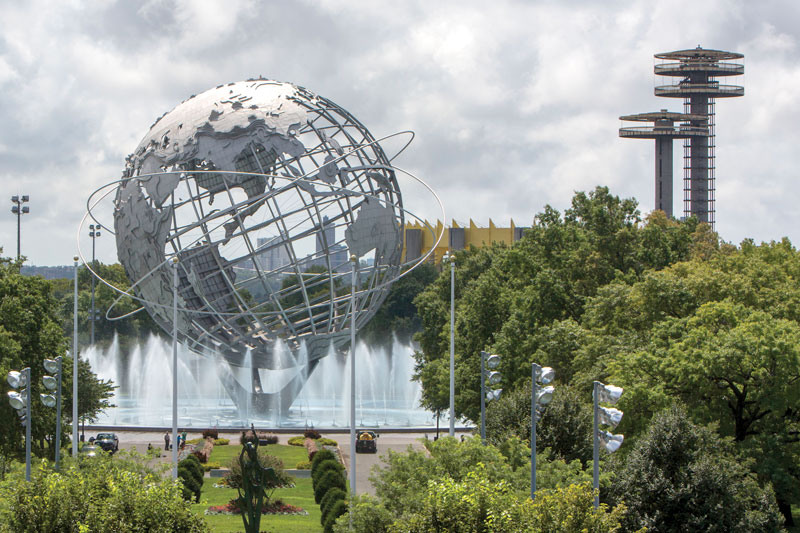
Queens offers a huge range of tourist attractions, including parks, museums, sports venues, and cultural landmarks. Some of its most popular attractions are Flushing Meadows Corona Park, the site of two World’s Fairs, featuring the Unisphere, the Queens Museum, and the New York Hall of Science.
Astoria Park’s large waterfront park offers views of the Manhattan Skyline and the nearby Museum of the Moving Image, located on the grounds of the historic Kaufman Astoria Studios, where visitors can explore the history of film and television with interactive exhibits.
The Noguchi Museum is a museum and sculpture garden in Long Island City, designed and created by the Japanese American sculptor Isamu Noguchi, and the Louis Armstrong House Museum is dedicated to the American jazz legend, also known as ‘Satchmo’.
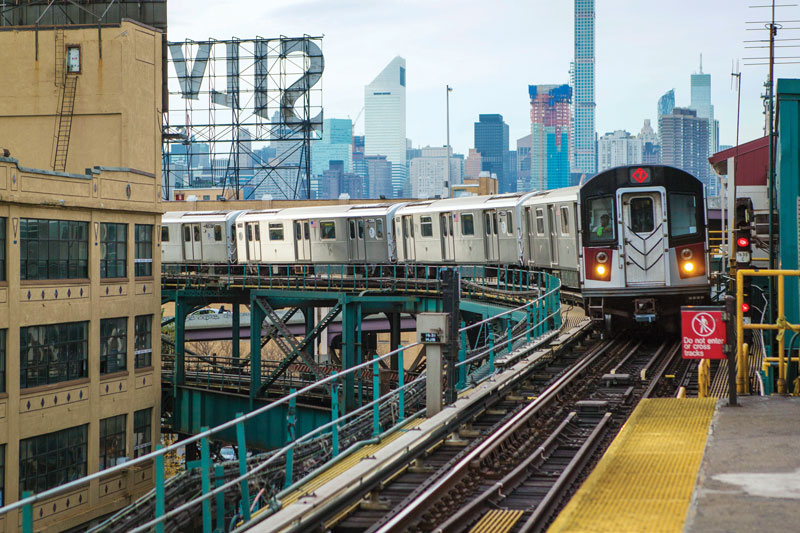
For sports lovers, Citi Field, built between 2006 and 2009, is home to the MLB’s New York Mets. The USTA National Tennis Center, which hosts the US Open each year, is its next-door neighbor.
Other outdoor activities include the Jamaica Bay Wildlife Refuge, a haven for birdwatching and nature lovers; the historic Fort Totten Park, with scenic waterfront views; and Rockaway Beach, a vast, sandy beach located on the Rockaway Peninsula offering beachgoers plenty of ‘fun-in-the-sun with its lively 5-mile boardwalk and multitude of concessions.
Staten Island
The southernmost and lesser known of New York City’s boroughs. As the least densely populated and most suburban borough in the city, Staten Island is separated from the adjacent state of New Jersey by the Arthur Kill and from the adjacent borough of Brooklyn by New York Bay. In reference to its nickname, ‘The Borough of Parks’, the moniker highlights Staten Island’s extensive parkland and green spaces, including Clove Lakes Park, High Rock Park, and the Greenbelt.
The Snug Harbor Cultural Center & Botanical Garden is a distinguished Smithsonian Affiliate and is also Staten Island’s premier destination for culture and entertainment. And the New York Chinese Scholar’s Garden is a truly unique attraction that adds a new dimension to the understanding of life in ancient China and serves as the perfect setting for a host of multi-cultural events.
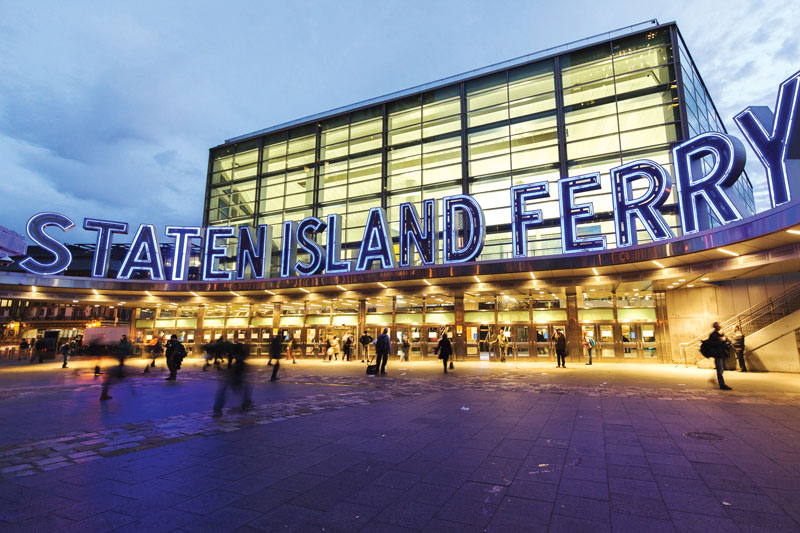
The most famous of the borough’s major attractions is the Staten Island Ferry, which offers a 25-minute scenic ride with views of the Statue of Liberty and the Manhattan skyline. As a free service, it is a convenient and economical way for both locals and tourists to travel between Staten Island and Manhattan. Each year, it is estimated that the Staten Island Ferry carries over 16 million passengers on its 5.2-mile run between the St. George Terminal in Staten Island and the Whitehall Terminal in Lower Manhattan.
Just steps away from the ferry is the historic 2,800-seat St. George Theatre, which is a performing arts venue and picture palace located on the North Shore of Staten Island. Built for theater operator Solomon Brill, the theater opened in December 1929. And whether before or after a show, Staten Island also boasts a unique culinary scene, including a variety of Italian fare and 24/7 diners.
Other attractions include Fort Wadsworth, one of the oldest former military installations in the nation, and the Historic Richmond Town; a restored 17th century village, which is Staten Island’s largest and oldest institution that possesses some of the most storied historical items of American history, with more than 130,000 artifacts, photographs, and archival collections dating back to the 17th century.
Venturing out of the New York City limits from Staten Island, the Goethals Bridge, one of six bi-state crossings operated by the Port Authority, connects Staten Island to New Jersey. Just eight miles north are Newark Liberty Airport and Port Newark in Essex County, known for its substantial role as a transportation hub, diversified communities, and its proximity and access to New York City via bridge, tunnel, and roadway.
Essex County offers a variety of urban and suburban living, with attractions ranging from cultural institutions, historic sites, green spaces, to vibrant city centers. Key attractions include the Newark Museum of Art; Turtle Back Zoo; the South Mountain Reservation, featuring the Washington Rock Lookout, a historic site with views of the surrounding area; Greenwood Gardens, a horticultural garden with a focus on landscape design; and the New Jersey Performing Arts Center (NJPAC).
Another ‘must-see’ attraction in Essex is Thomas Edison National Historical Park, where Thomas Edison’s laboratory and residence, Glenmont, are preserved in West Orange. Designed by architect Henry Hudson Holly in 1887, the Edison Laboratories operated for more than 40 years. Out of the Edison laboratories came the motion picture camera, improved phonographs, sound recordings, silent and sound movies, and the nickel-iron alkaline electric storage battery.
No matter which borough your NYC journey may take you through, and whether your arrival is by air, land, sea, or rail, New York’s rich combination of history, diversity, its iconic landmarks, world-class museums, and vibrant cultural scene are a treasure to discover and an experience to remember.