



My husband Jon and I decided to do something different at the beginning of the new year. We looked at several airline employee websites and found a Windstar cruise for 8 nights that started in Venice, Italy, and ended in Rome.
On New Year’s Day, we flew to Milan, Italy. In the past, Jon and I visited Milan frequently before the pandemic, but we have not been there since January 2020. It was great to return, and we stayed at the Milan Marriott Hotel in a residential area of Milan.
On the evening of our arrival, we visited an area where we had never been before. The Navigli neighborhood in southwest Milan was well worth visiting. The area is filled with cool bars, hip restaurants, galleries, and shops. Two man-made canals cross the area named Naviglio Grande and Naviglio Pavese. It is possible to take a boat ride through the canals even in the winter. We ate at a delicious, typical Milanese restaurant we found by chance for dinner. Even though it was winter, many cafes and restaurants offered outdoor seating with heat lamps.
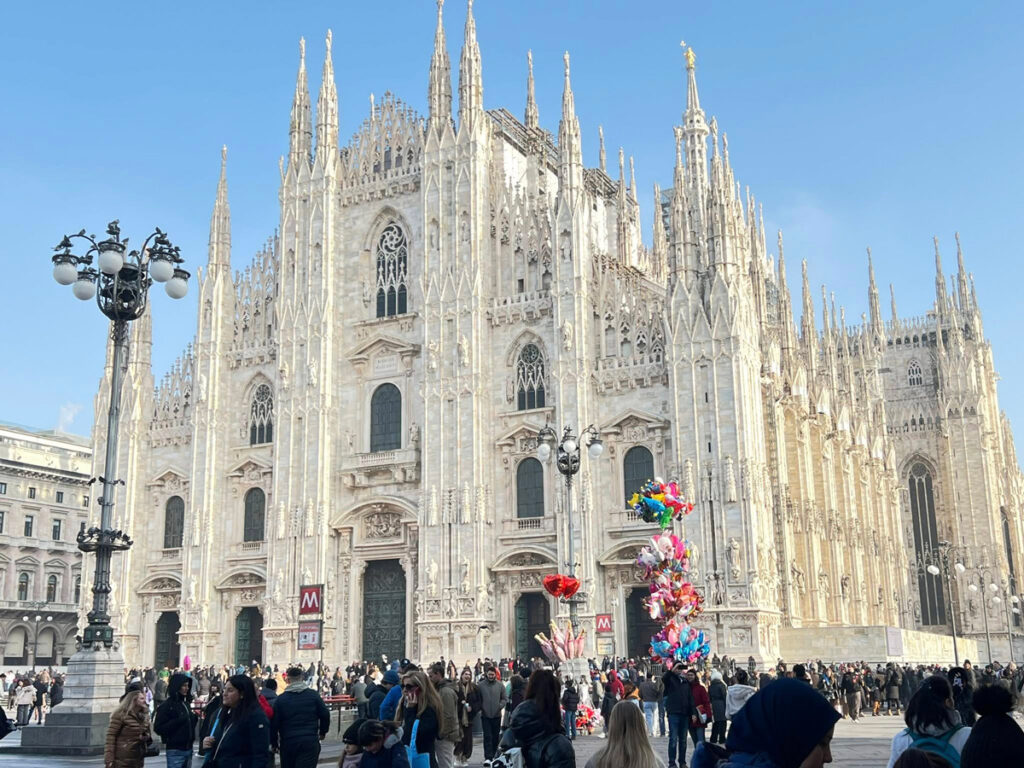
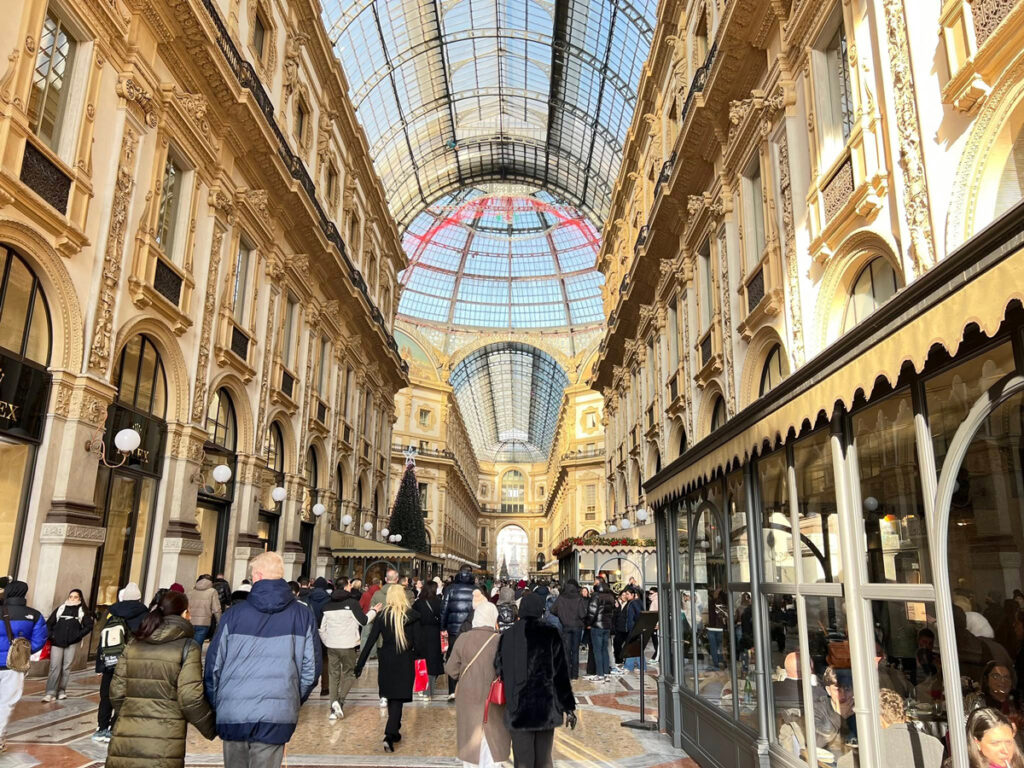
The next day, we planned to walk through the main area of Milan in the morning and then take a train to Venice in the afternoon. One of the highlights in Milan is the Duomo di Milano. Early in January, there was still a very nice holiday market around the Duomo area. It was a sunny but chilly day, perfect for walking through the center of the city. In the afternoon, our train trip to Venice took about two hours. We stayed at the Four Points Sheraton Venice Mestre, which is outside the main area of Venice. This was our plan: to be ready to board our ship for the cruise the next day.
Our ship was a 312-guest yacht named the Star Legend. It is all suites and can go to ports that big ships cannot enter. The food is gourmet, and the bath amenities are L’Occitane.
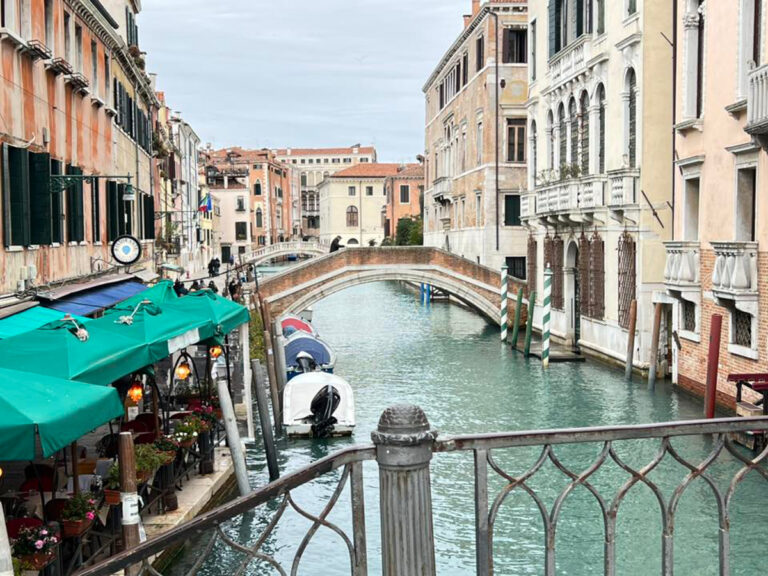
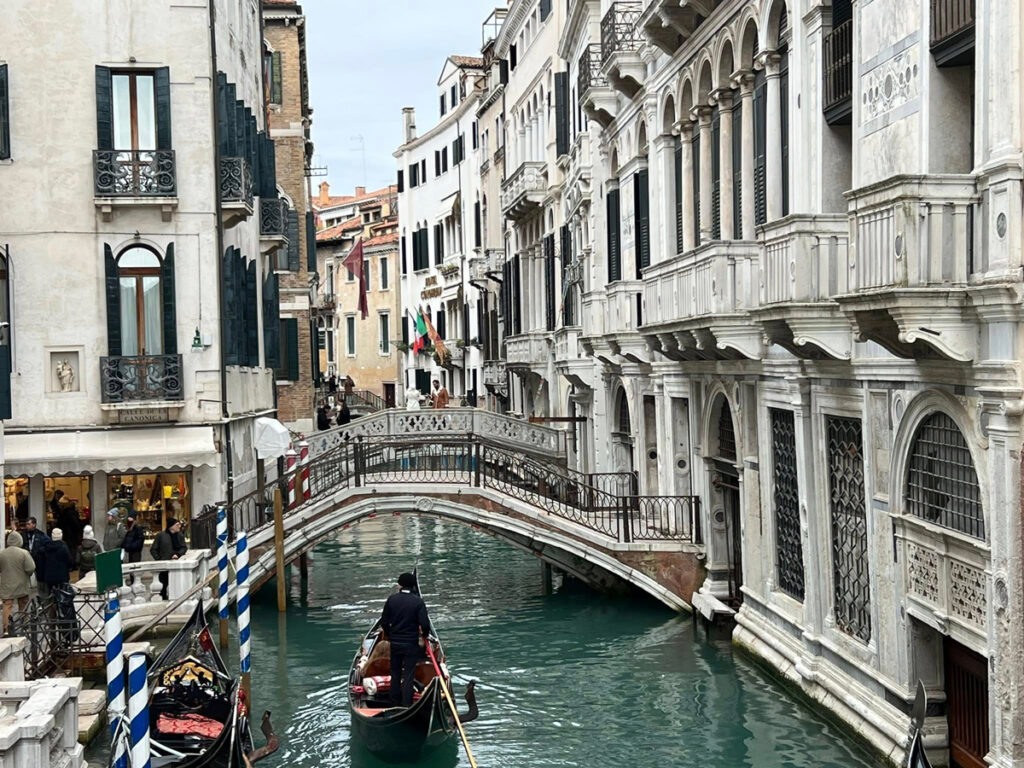
We spent two nights in Venice on the ship. As I wrote in a previous article, we had visited Venice many times. It is always a pleasure to walk around the city and then take a public transit boat called the Vaporetto, which we did before our departure on the ship.
The ports were Zadar and Dubrovnik in Croatia and Messina, Sicily. We were supposed to stop at Naples, Italy; however, due to high winds at the port, the stop was cancelled, and we had an additional day at sea.
Zadar, Croatia, is the oldest city in Croatia and is located on the Adriatic Sea in the northwestern part of the Ravni Kotari region. The day that we arrived was overcast with occasional drizzle, but it did not stop us from exploring the Old Town. Most of the attractions were closed for the winter and the Three Kings Holiday.
The most worthwhile attraction was the Sea Organ on the western side of the Old Town. It consists of several stairs that descend into the sea, extending about 70 meters along the coast. Set within the stone stairs is a system of pipes and whistles that creates a unique musical instrument. It works with the ebb and flow of the water as well as the wind blowing off the water. This area is also known for its beautiful sunsets. Alfred Hitchcock once said it had more beautiful sunsets than Key West.
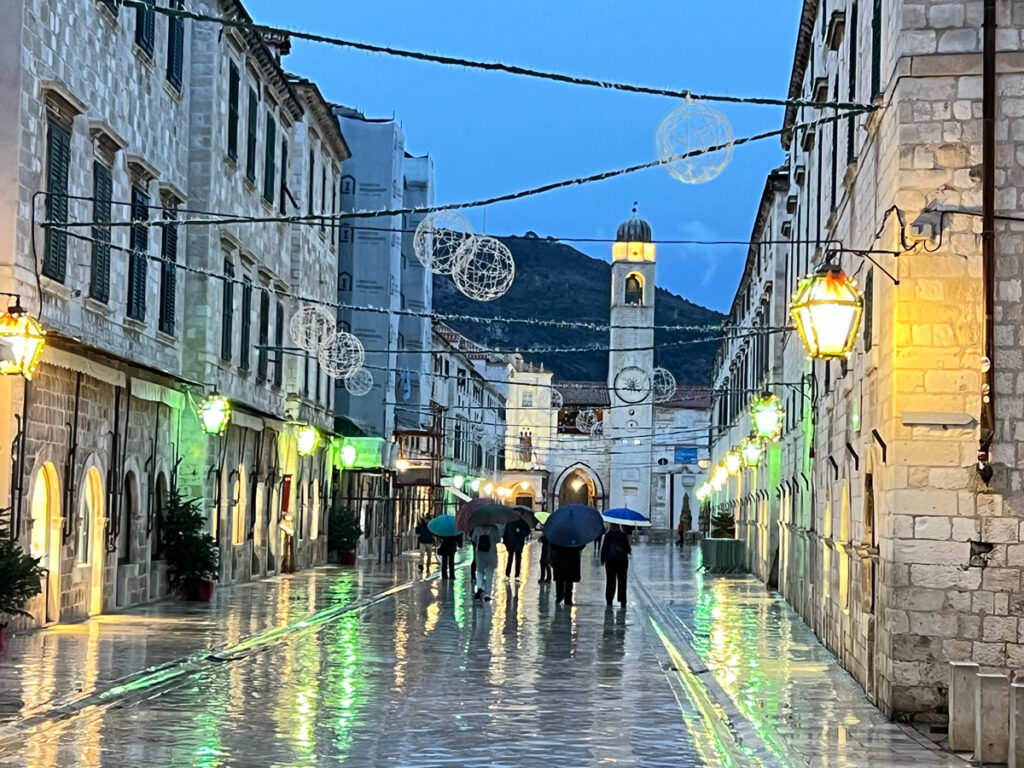
The next port was Dubrovnik, Croatia, where we remained for two days. It is a city in southern Dalmatia and is a very popular tourist destination. Luckily, our timing was great because there were no crowds in January. The Old City of Dubrovnik is a World Heritage Site. Again, many tourist attractions and shops were closed due to the slow season.
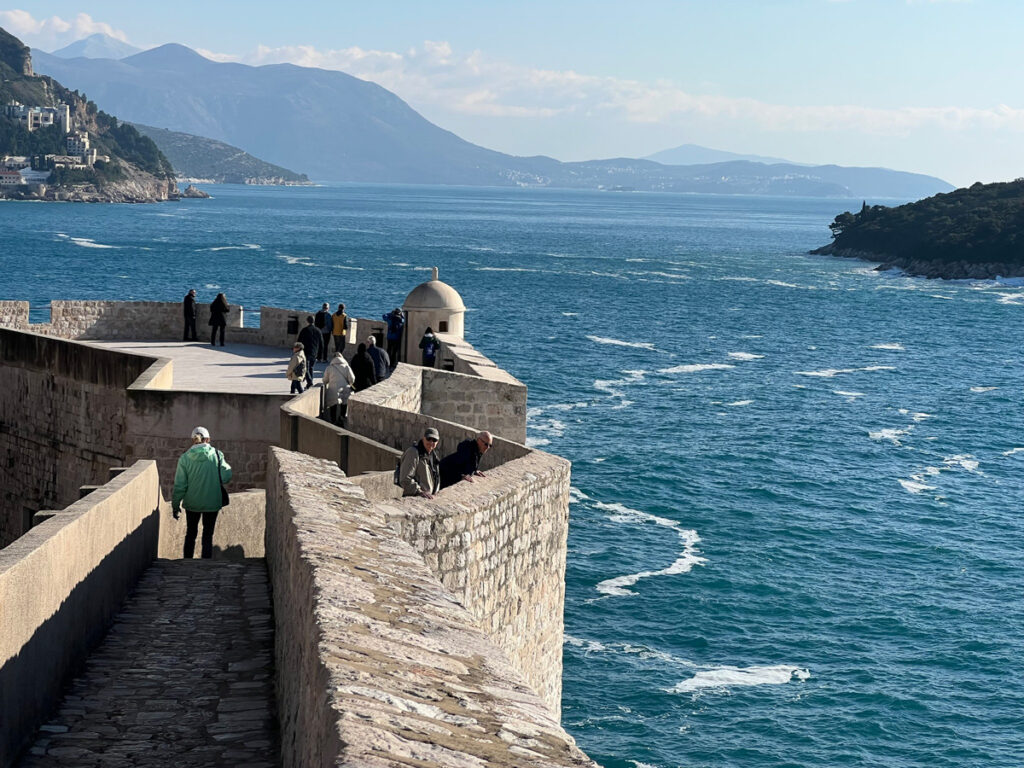
The historic city center is contained within the city walls. The Walls of Dubrovnik are a series of defensive stone walls surrounding the city. We walked the entire 1.2 miles around the perimeter, which offers a 360-degree view of the Old City. The day was perfectly sunny and cool. There are breathtaking views of the Adriatic and the city’s rooftops. It took about 2 hours to complete the walk, but it can take longer due to all the photogenic sites and views along the way.
Our final port was Messina, Sicily, located near the northeast corner of Sicily at the Strait of Messina. It is a harbor city and the third largest city on the island of Sicily. The question asked repeatedly is: why can’t a bridge be built from mainland Italy to Sicily? The answer is that it’s due to volcanic activity, high winds, and unstable water currents, so, seemingly, a bridge is not possible.
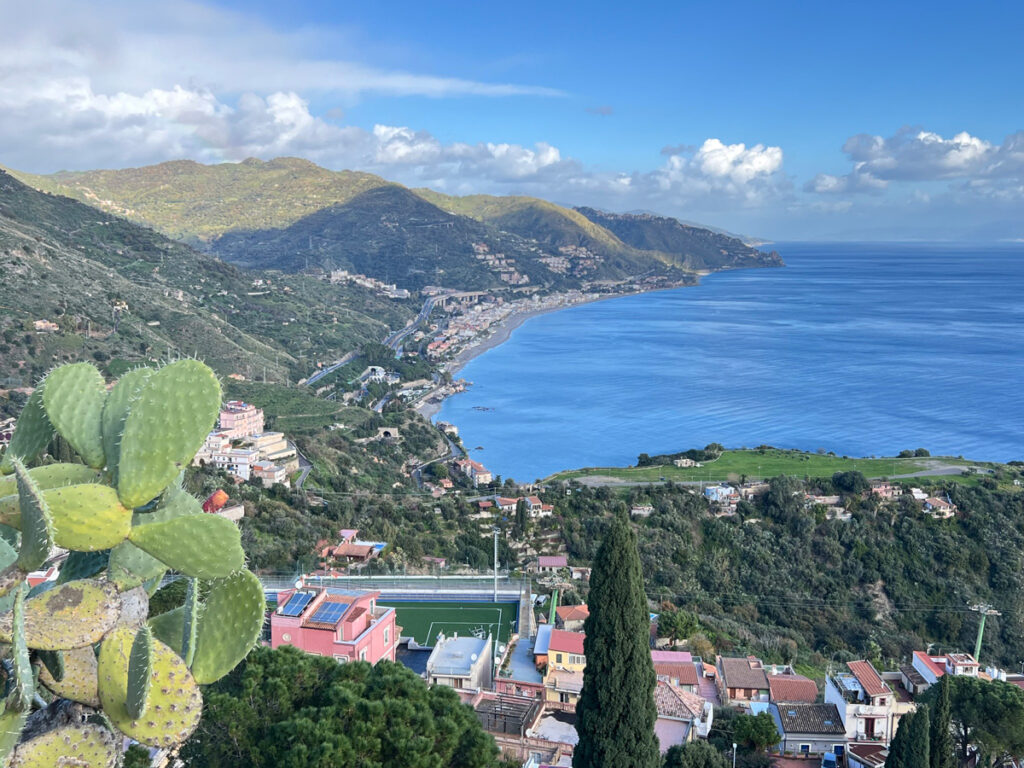
We took a tour of Taormina, which was a 45-minute drive from the Port of Messina.
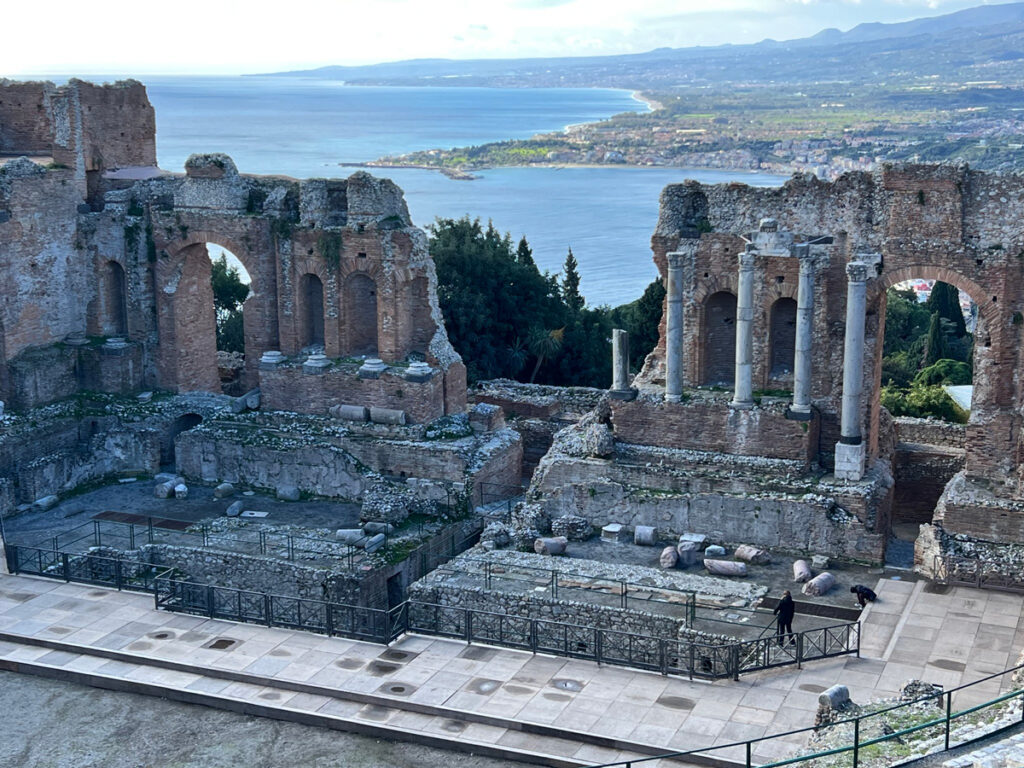
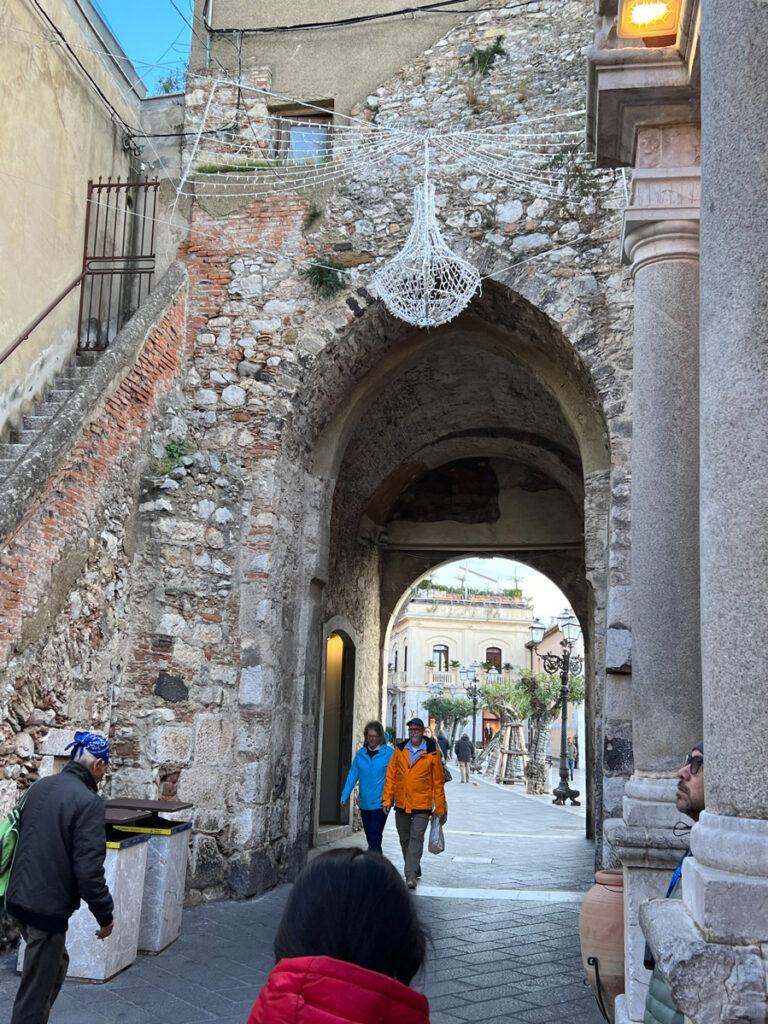
The tour included a walk through the main area, with the charming old streets of this hilltop town. It has magnificent views of the Mediterranean Sea and historic landmarks. We visited the Theatre of Taormina, which is an ancient Greek theater built in the third century BC. There is Corso Umberto, the shopping street, which is closed to traffic. It runs through the whole city and has boutiques, jewelry shops, craft shops, and antique stores.
On our final sea day en route to Rome, we passed very close to the island of Stromboli. It lies in the Tyrrhenian Sea off the coast of Sicily. It includes Mount Stromboli, one of Italy’s four active volcanoes.
The final day of our cruise ended at the Rome Port of Civitavecchia. We spent the day in Rome walking to the many sites we have visited on other trips. We stayed at the Rome Marriott Park Hotel, not far from the airport, and we flew back to JFK Airport the next day.