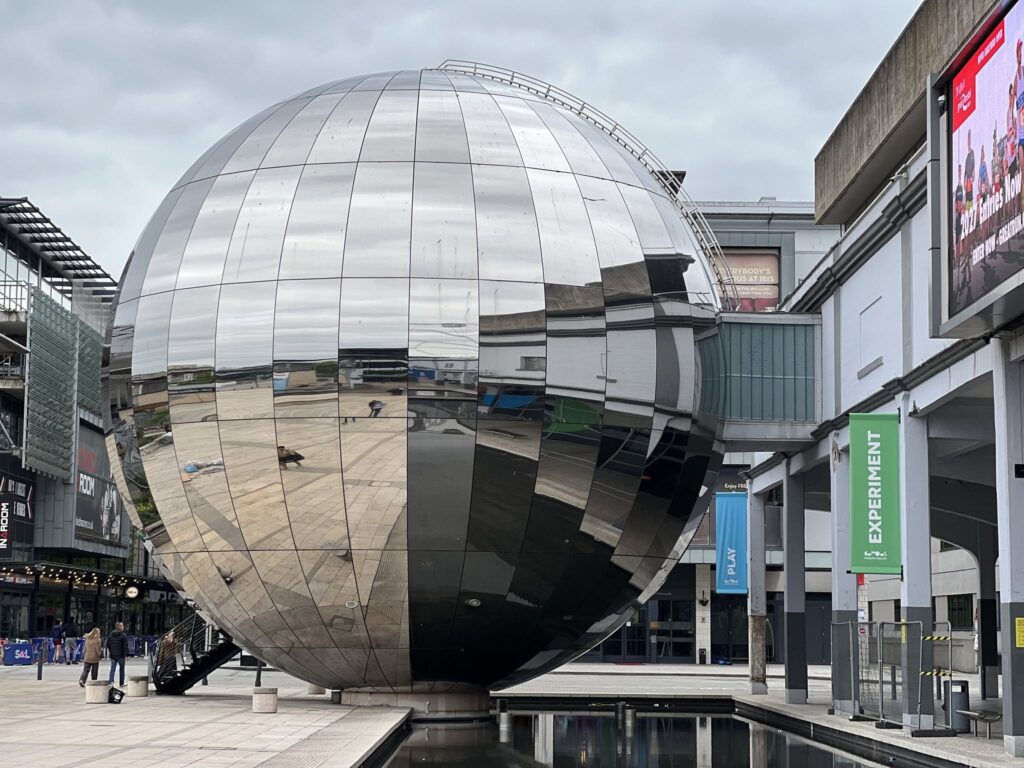
For quite a while, Maureen and I have wanted to visit Bath, England, for its famous, soothing mineral waters and healthy environment. On a previous trip, we visited Germany’s Baden-Baden Resort Area, absolutely loved it, and wanted to have a similar experience in the famous British city of Bath.
For several reasons, we have avoided Bath since COVID, as the trains from London were either too expensive or unreliable. I’m happy to report that the trains aren’t nearly as expensive as they once were; we’ve also found the Great Western Railway trains to be extremely reliable and very comfortable.
As reported in a past article, National Rail now offers a ‘Two Together Railcard’ for two people traveling together, or a ‘Senior Railcard’ for one person traveling alone; both discounted tickets are roughly 50% off current fares. For this trip, the cost of a round-trip ticket from London to Bath was £103 for two persons (the regular fare was approximately £176 for two). There are trains every 30 minutes from London to Bath and Bristol (Bristol Temple Meads Station), with onward connections to the City of Cardiff by the Sea in Wales.
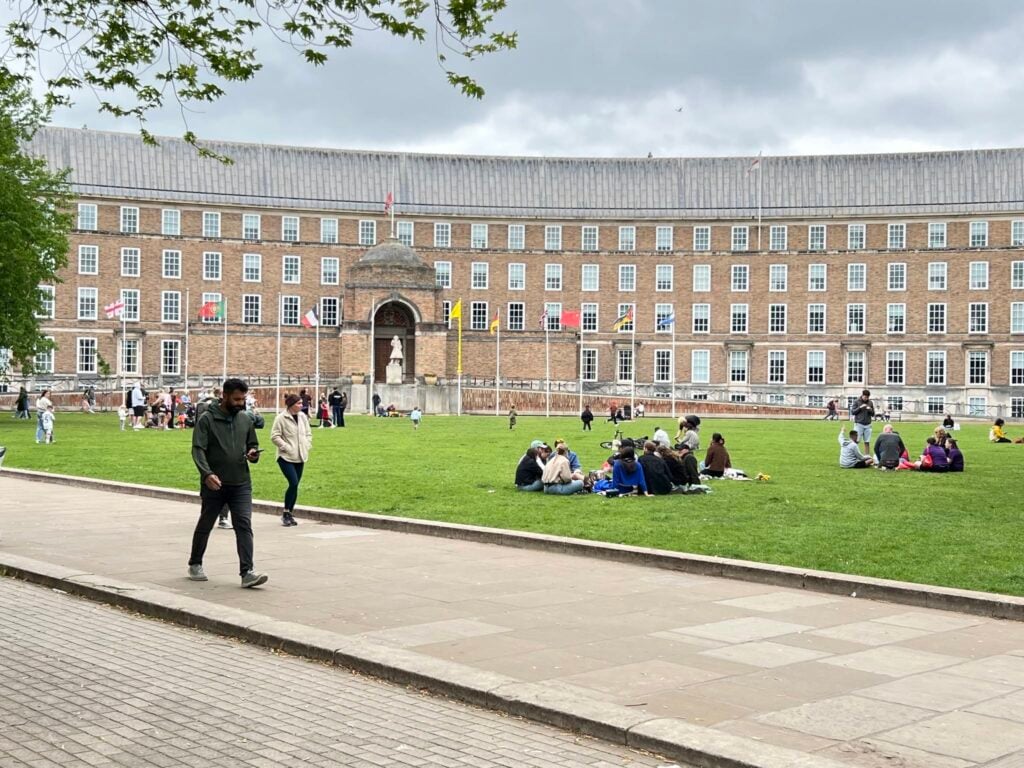
Our most recent journey began in the beautiful British city of Bristol on a day when the entire population was participating in a half-marathon; this small city had a wonderful, carnival-like atmosphere. Bristol is a vibrant city – known as the ‘Cider Capitol of the World’ – with its own international airport, great riverfront restaurants, and many hotels. The cost of hotels in Bristol is nowhere near the exorbitant prices in London, making Bristol our favorite gateway to Wales and the Western United Kingdom.
Upon arriving in Bristol by train, our first stop was the very elegant and sophisticated Bristol Marriott Royal Hotel. This hotel was terrific and well situated right in the center of the city.
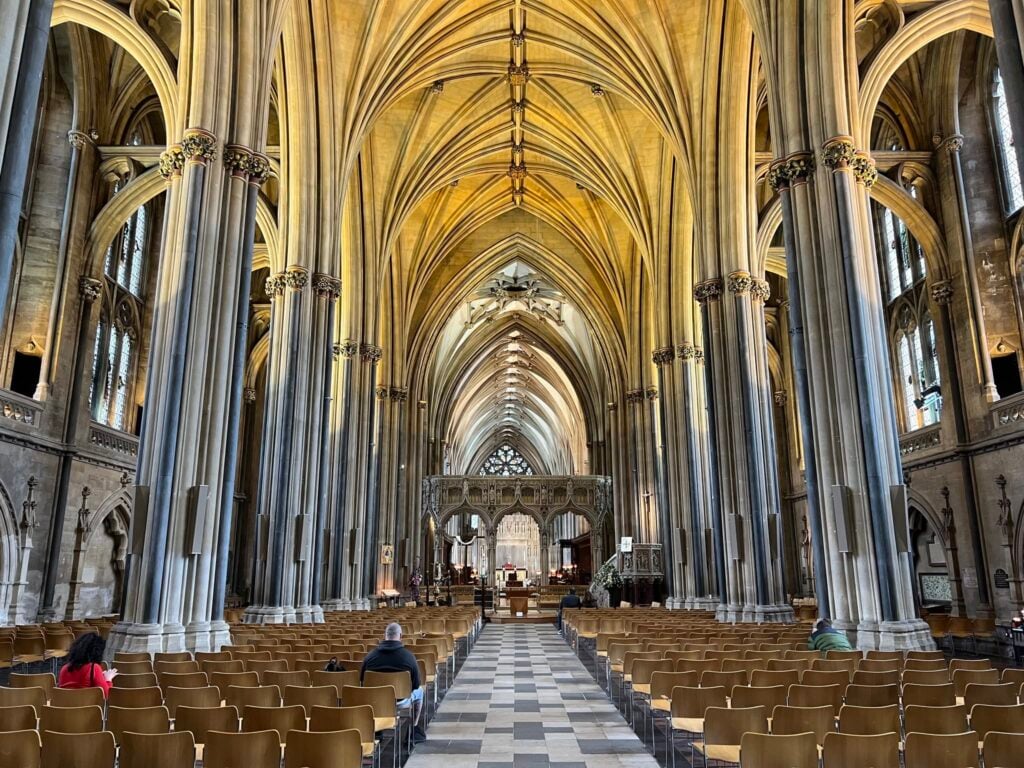
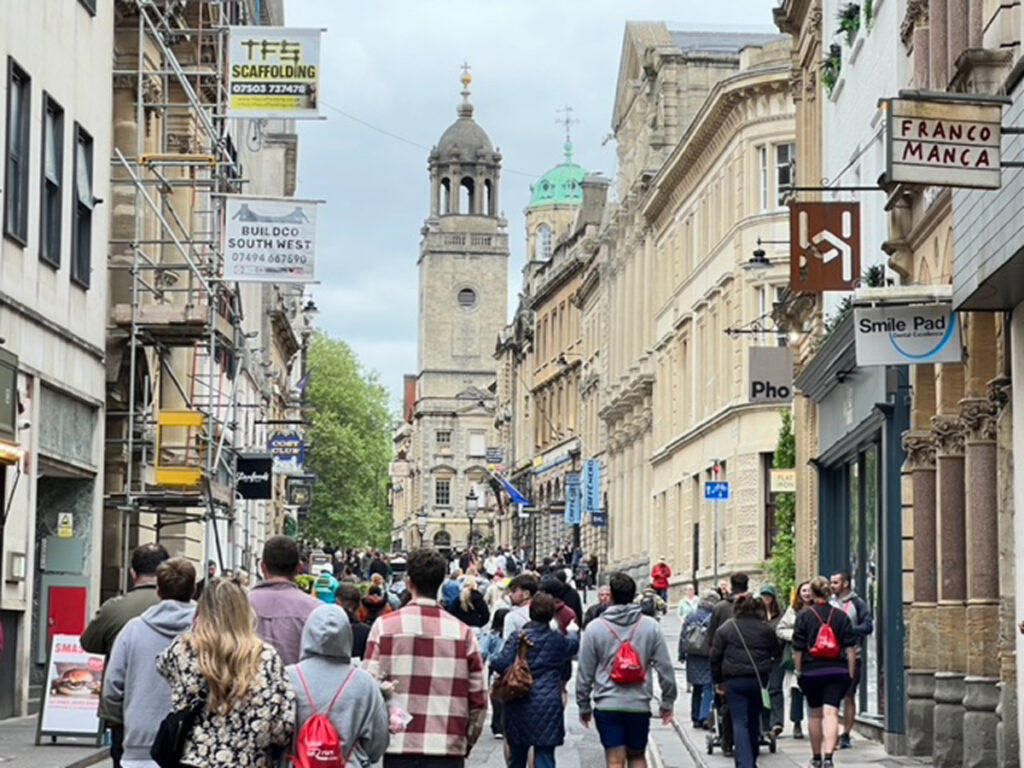
The centerpiece of Bristol is the gorgeous and huge Bristol Cathedral, located in the center of the city on College Green. After reflecting on how spectacular this cathedral was, we continued walking through downtown Bristol and the city’s several blocks of pedestrian malls, packed with restaurants and shops.
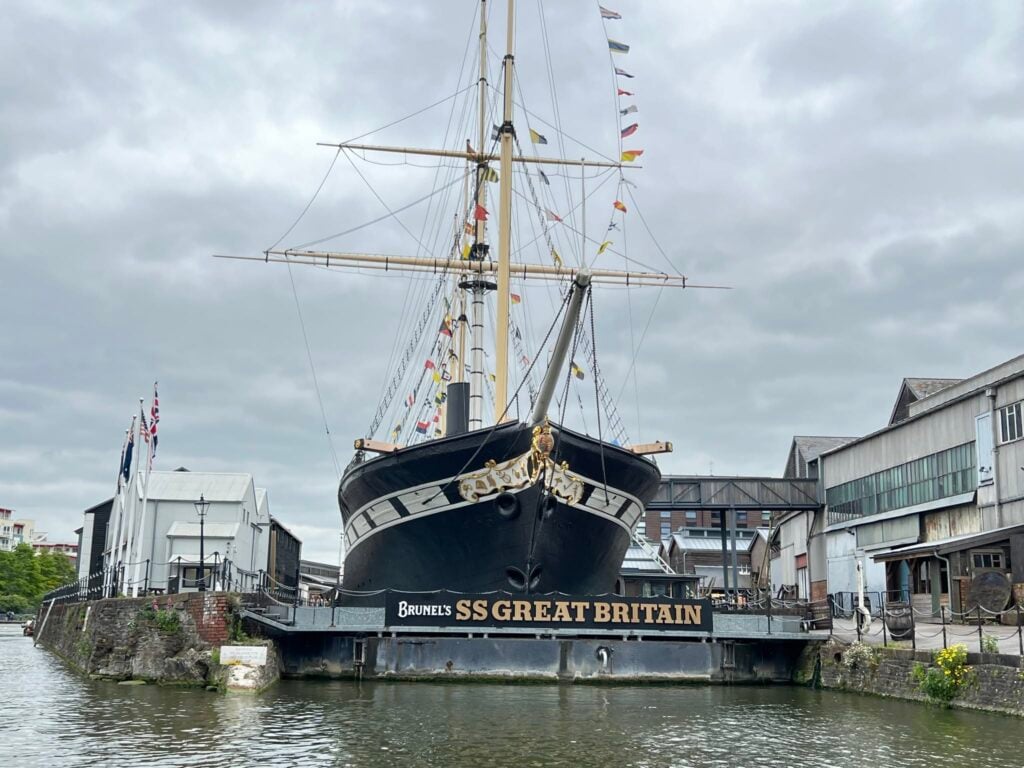
We took a community-oriented ferry (£3 per person) that cruised along the river in Bristol. It passes by the famous SS Great Britain, a tall sailing ship. Along this river, there are many restaurants and bars, all of which were very active on a Sunday. We definitely felt that Bristol is quite family-oriented and a very nice place to live. Just a note that Stonehenge is only 45 miles from Bristol, and the Cotswolds are only 17 miles from Bristol; both are world-famous places to visit. The residents of Bristol are quite proud of their Clifton Suspension Bridge, the Wills Tower, the University of Bristol, the Bristol Aquarium, and the Bristol Beacon concert hall.
Our next stop was the city of Bath, about six miles away from Bristol. The train from Bristol to Bath takes about 10 minutes, and the train station is very well located, close to downtown Bath. Again, our first stop was a very interesting and very different type of Marriott Hotel- a Marriott Tribute brand hotel called The Abbey Hotel Bath. This is an old-world English hotel, unlike any Marriott we’ve ever stayed in, and it is a perfect choice for the historic atmosphere of Bath, located in the center of the city.
Most people begin the ‘Bath experience’ by taking a tour of the famous Roman Baths – the city of Bath was named after them – the cost of the tour was £24. We, however, were more excited to be physically able to enjoy the city’s actual mineral baths at the Thermae Bath Spa in the center of Bath. The cost of entry to the spa was £44 per person, and guests can stay for a maximum of 2 hours. There were two massive mineral water pools: one outside on the rooftop of the building and one inside on level one. Both of these pools are kept at 95°F and are absolutely delightful for bathing. Several different types of steam rooms and sauna baths accompany these pools. There are also several other spas and spa hotels throughout the city.
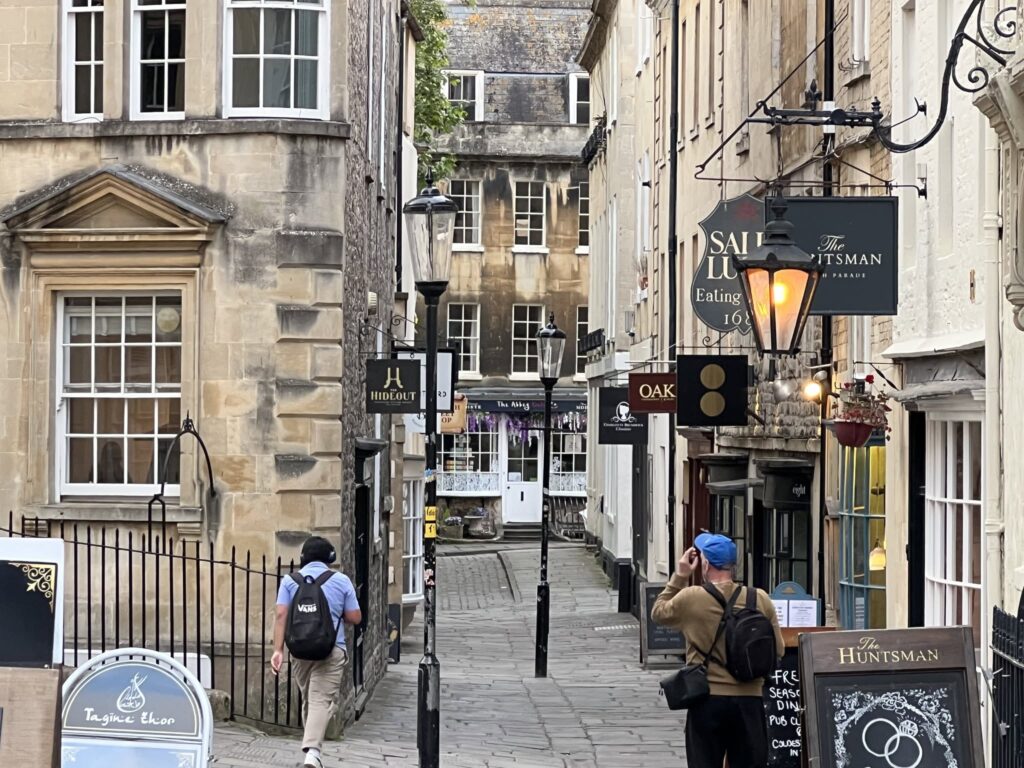
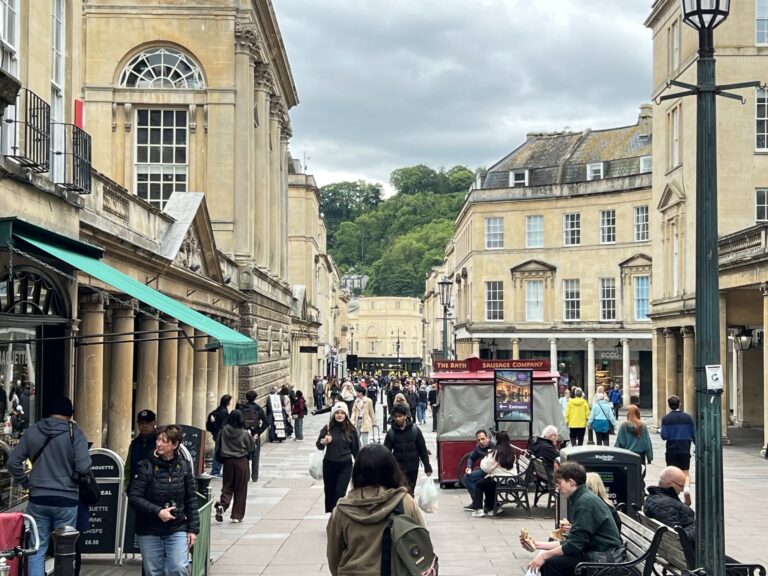
The city of Bath was absolutely adorable, and very similar in every way to the atmosphere of Baden-Baden, Germany’s famous spa town. The organization of the town, the architecture of the buildings, and the rolling hills give Bath a special, natural feeling, as if one’s body is being cleansed by hot mineral water. And while Bath has many shops and restaurants, it was the smaller pubs that serve food that we really enjoyed the most. If you are lucky enough to stay overnight, there’s a certain type of evening glow in Bath that seems to make the illuminated restaurants come alive. With fewer tourists around the city, the area becomes very quiet, rural, and peaceful. Additionally, there are several walking tours of Bath Abbey and the townhouses in The Circus.
On our final day, we took the train from Bath to London, which operates every 30 minutes. As always, we like to stay the final night in Kensington- a great suburb of downtown London and, by far, the easiest way of getting directly to London Heathrow Airport. There is also quite a cost saving because the Piccadilly (subway) Line costs approximately £3.80 one way to LHR, instead of £17 when using the Elizabeth (express subway) Line (which is brand new and very modern) and approximately £34 one way for the Heathrow Express, both of which go via London Paddington Station.
All in all, a trip to Bath is special. This experience should most definitely be added to other stops in the United Kingdom.