

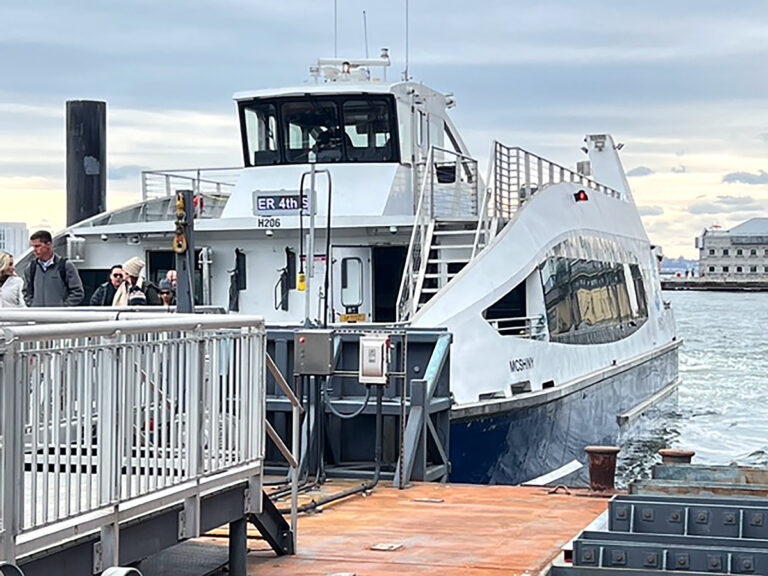
New York City is the mass transportation capital of the United States, with its excellent subway, bus, and surface train systems providing the best of traffic-free movement throughout the city.
In 2017, New York City added a fourth component to its mass transit system: the New York City Ferry System. This system is terrific for both the daily commuter to their work destination and the NYC visitor; it is a special and wonderful way to tour the city by ferry.
A little history here: the New York Ferry System began operation on May 1, 2017, via the Hornblower Group. In 2024, the Hornblower Group filed for Chapter 11 bankruptcy to restructure its debt.
The private equity firm Strategic Value Partners acquired a major stake in the Hornblower Group. The New York City Economic Development Corp. (NYCEDC) partnered with the ferry system: this government agency owns the vessels and manages the infrastructure, while the Hornblower Group – now branded as City Experiences – operates the actual system.
On December 8, 2025, the New York City Ferry System reconfigured its commuter map to be more efficient and to serve more passengers. The NYC Ferry System receives funding from New York City, but now it needs to become more efficient and make its service as profitable as possible. The ferry system was already a success from day one of its operation, but now it needs to reimagine itself further.
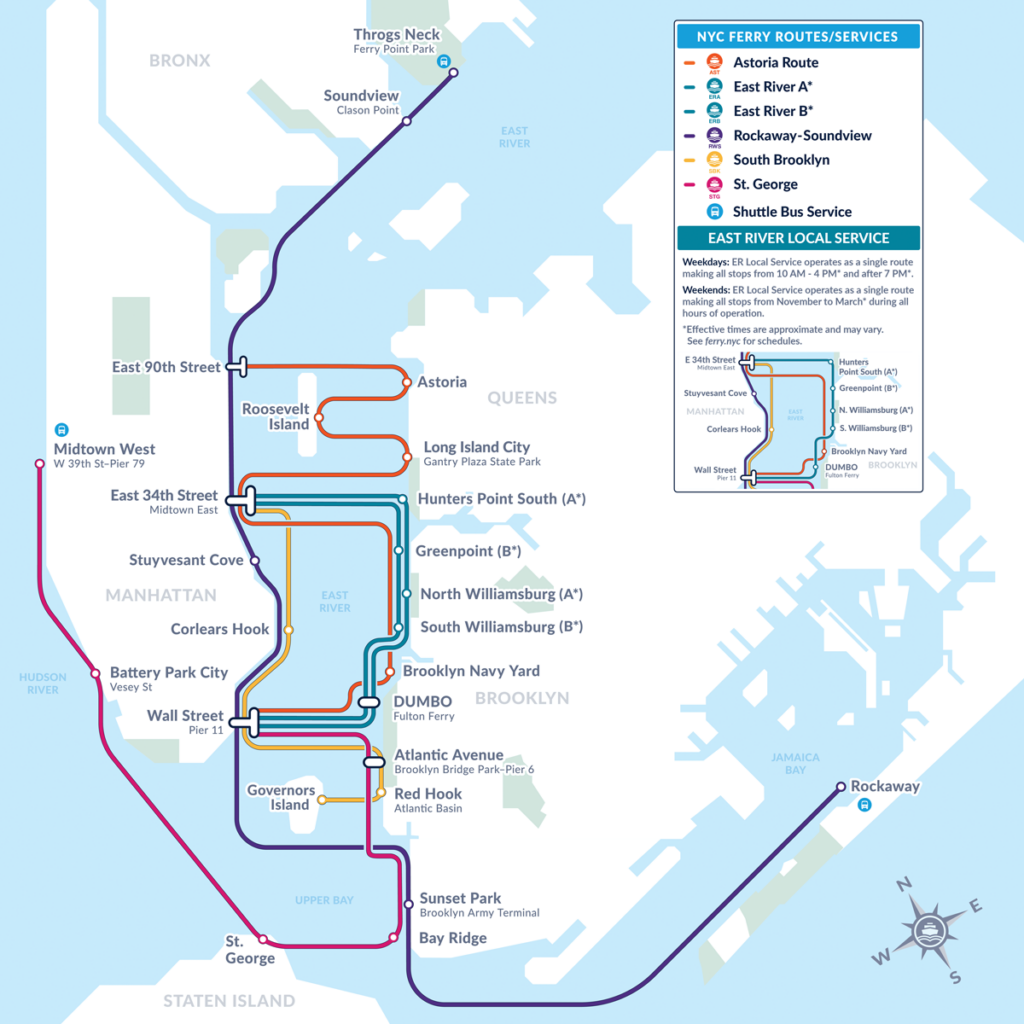
The NYC Ferry System’s route structure comprises six basic routes that span New York City end to end.
To begin, my wife, Maureen, and I consider the Rockaway/Soundview (RWS) Route our favorite. We have taken this route many times from the ferry’s largest hub at the Wall Street/Pier 11(right next to the South Street Seaport) with one stop in Sunset Park, Brooklyn, and then on to Far Rockaway in 57 minutes. On this route as a sightseer, you begin by experiencing a beautiful view of Lower Manhattan and then Governors Island, the Brooklyn Waterfront, the Statue of Liberty, the Verrazano Bridge, Coney Island, and finally the endpoint at Far Rockaway.
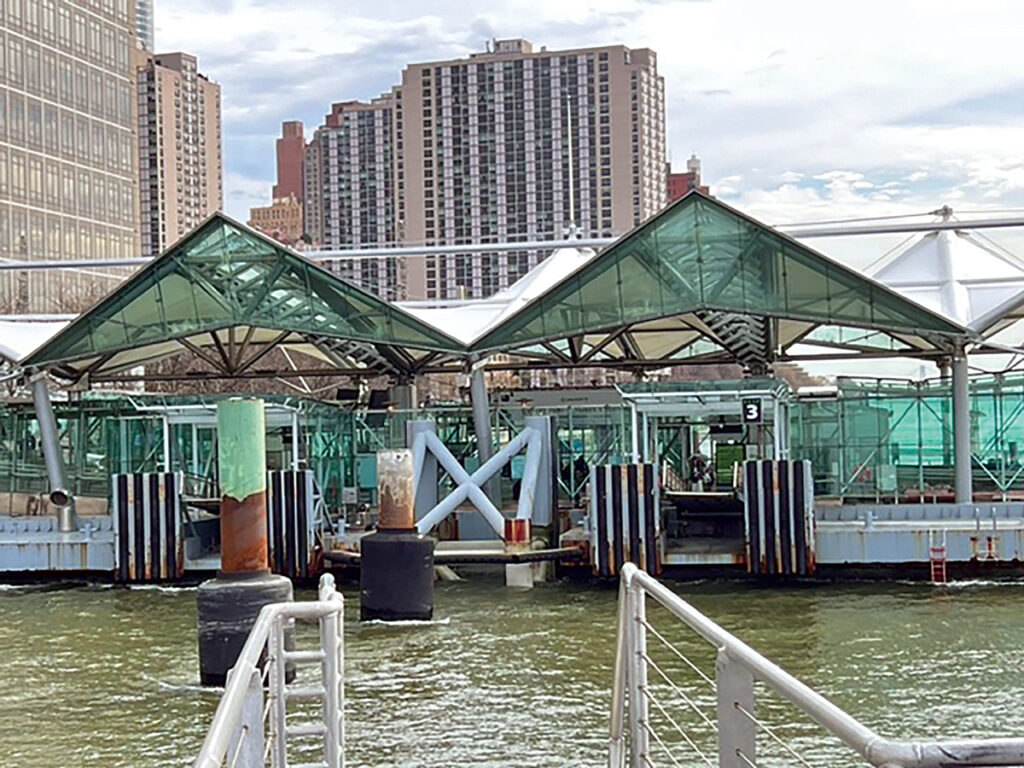
At this location, you can take a shuttle subway train to Howard Beach and then the Airtrain to John F. Kennedy International Airport. In the summertime, many summer beachgoers from Manhattan and Brooklyn commute on weekends to the beaches of Far Rockaway without any traffic. The Rockaway/Soundview Route travels as far north as Manhattan, to both Soundview and Throgs Neck/Ferry Point Park Pier, both in the Bronx.
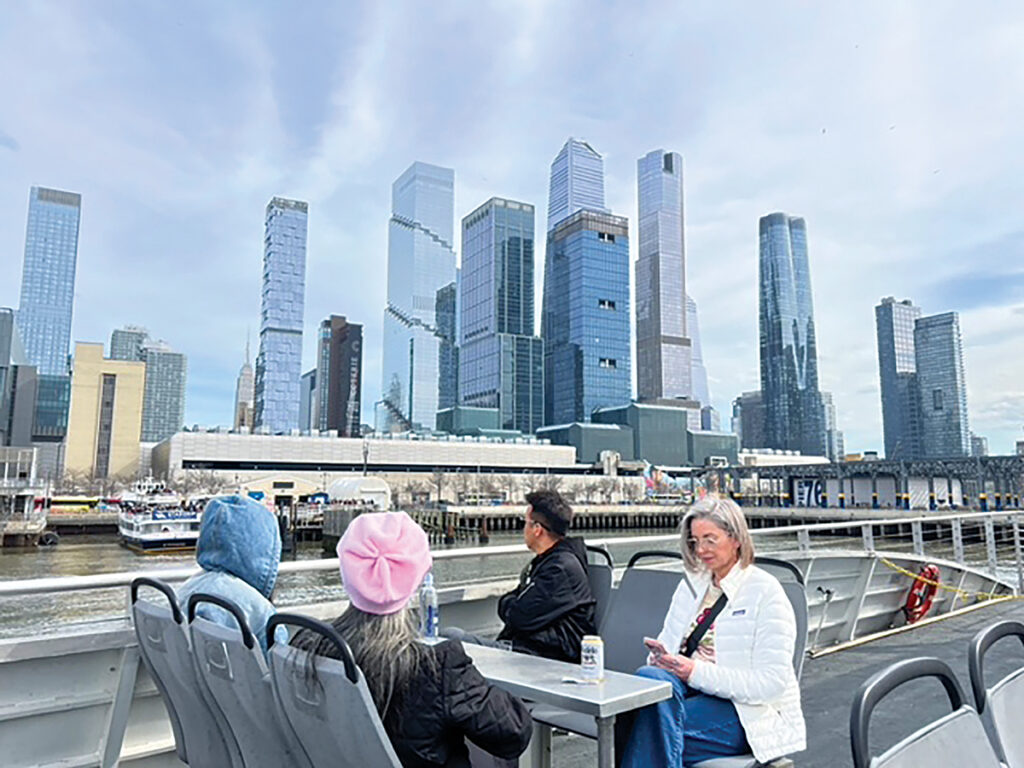
Our second favorite route is called the ER, or East River Route, and again begins at the ferry system’s major hub, Wall Street/Pier 11, and runs through terrific and newly gentrified areas of DUMBO, Williamsburg, Greenpoint, Long Island City, and ends at the 34th Street Pier Hub at 34th St. and the East River. Again, this route not only affords spectacular views of the city, but it is also traffic and hassle-free.
Recently, we’ve taken the newly developed AST Astoria Route that again begins at Wall Street/Pier 11 and makes stops at the Brooklyn Navy Yard, the 34th Street Pier Hub, Long Island City, Astoria, and Roosevelt Island, where we have taken the spectacular Roosevelt Island Aerial Tram over the East River and back into Manhattan. On Roosevelt Island, you can also connect to the “M” subway line. The Astoria Route ends at the East 90th Street Pier on the East River on the east side of Manhattan. At the Astoria Pier, there is a bus connection (Q-19 Bus/M-60 SBS Bus Line), a few blocks away from the pier, to New York’s LaGuardia Airport.
To connect to majestic Governors Island – a terrific, new destination for walking – tourists can take the NYC Ferry South Brooklyn route or the Governors Island Direct Shuttle (summer seasonal) from the Wall Street/Pier 11 hub.
Governors Island was formerly a Coast Guard base located just off the southeastern tip of Manhattan in the East River. It is now open year-round for public visits. The island features a special “glamping” area and a unique spa, complete with outdoor pools that are heated in the winter, offering stunning views of Lower Manhattan, the East River, and the Statue of Liberty. Governors Island is largely natural and is mostly free of vehicles.
Residents and commuters from Brooklyn can use the STG St. George route to reach Staten Island without connecting to the Staten Island Ferry or commuting further to Battery Park City on the west side of Manhattan, and ultimately to the Pier 79 Ferry Terminal on 39th Street. This pier connects passengers to the New York Waterway Ferries to Port Imperial, Hoboken/Lincoln Harbor, Paulus Hook, and Port Imperial/Edgewater, all in New Jersey.
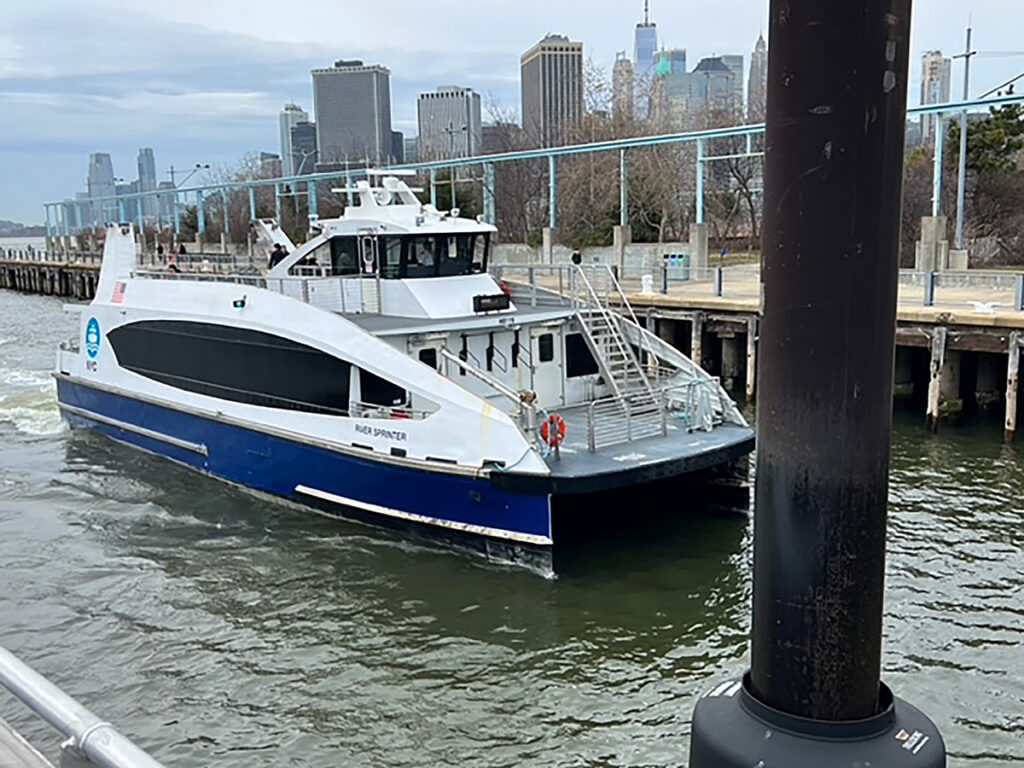
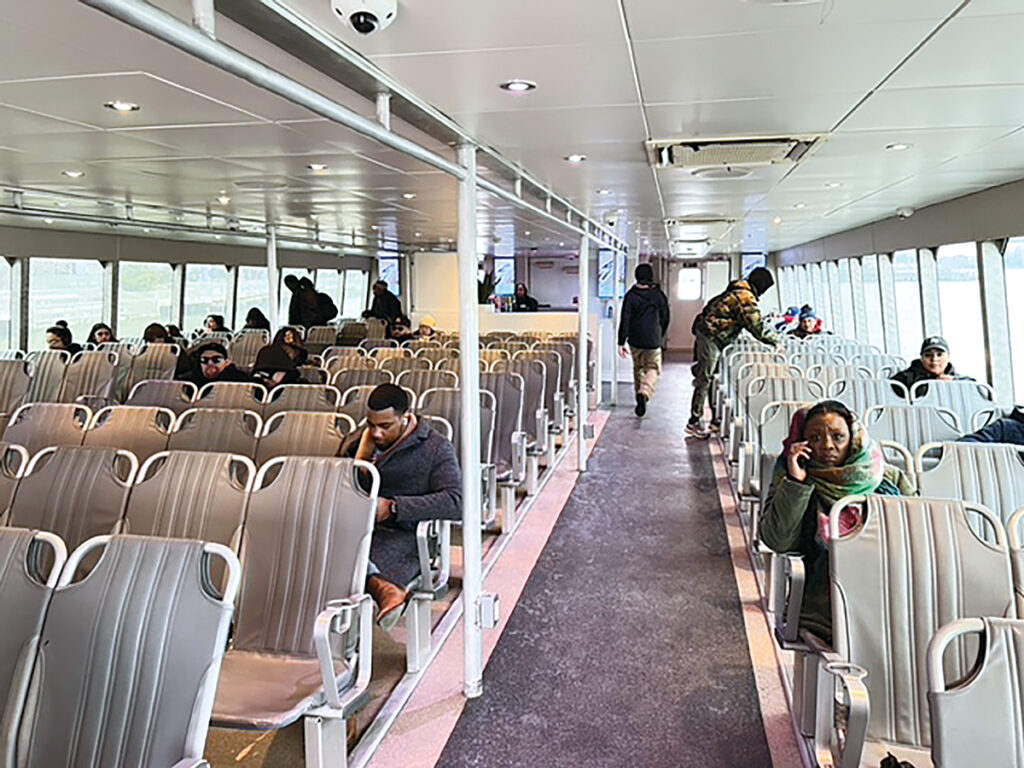
The New York Ferry System operates 38 boats, with passenger capacity running from 150 passengers per boat to 350 passengers, with both indoor and outdoor seating. At all pier stops, there are TV monitors showing bus connections in the area of those piers. There are free “boat-to-boat transfer connections” at all piers with connecting points. Dogs and other animals are allowed on all ferries. The cost to ride the ferry system is very reasonable at $4.50. There are also several ferry discount programs for New York City students, people with disabilities, Senior Citizens 65 years old and older, and people participating in the Fair Fares New York City Program.
At the largest ferry hub, Wall Street/Pier 11, passengers can connect to several destinations in New Jersey. These include Hoboken (NJ Transit Terminal), Paulus Hook and Liberty Harbor in Jersey City, Port Imperial/Weehawken, Edgewater, Port Liberté, and South Amboy, all accessible via New York Waterway Ferries.
1 Comment
Wonderful trips you and Maureen have taken Jon. If Karla and I ever get back to New York will let you know before coming. Would be great to see you and Maureen again.
We’ve been here in Palm Coast staying busy with our Jehovahs Witness friends; family, Bob and Susan .