


The term hospitality originates from the Latin word hospes, which means both host and guest. The Latin term evolved into hospitalitas, meaning ‘the quality of being hospitable,’ and was later adopted into French and then English, eventually becoming the modern-day word.
At its heart, hospitality centers on making others feel welcome, comfortable, and appreciated. It involves extending warmth, cordiality, and kindness towards guests, visitors, patrons, and people from all walks of life.
The hospitality industry is a vibrant and wide-ranging service sector, encompassing numerous areas such as travel and tourism, accommodations, food and beverage, entertainment, recreation, and wellness.
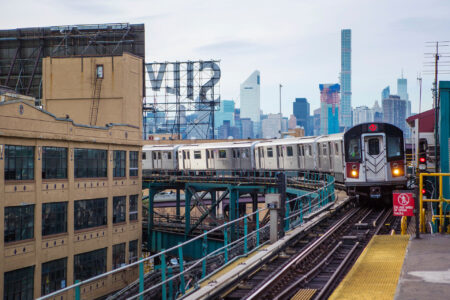
Travel and tourism facilitate movement within the hospitality industry, encompassing airports, airlines, railways, cruise lines, car rentals, and tour operators. It works hand-in-hand with tourism, helping guests reach their destination while ensuring a unified connectivity between different hospitality segments. Tourism drives demand for hospitality services, as travelers need places to lodge, dine, and enjoy leisure time.
Accommodations, or lodging, are at the nucleus of the hospitality industry, providing a wide range of lodging options. This includes hotels, motels, bed-and-breakfasts, hostels, and vacation rentals tailored to both leisure and business travelers. This sector offers convenience and comfort to guests by providing essential services that enable travel and tourism.

As a stalwart of the hospitality industry, Food and Beverage (F&B) is a crucial and widespread segment that includes restaurants, cafes, bars, catering, and hotel dining facilities, all of which also serve local communities. The inclusion of dining within many hotels not only enhances guest satisfaction but also reinforces the strong connection between food services and lodging.
Entertainment enriches the leisure experience through a variety of attractions, including casinos, theaters, sports venues, concerts, festivals, and more. These attractions, on their own, provide enjoyment and engagement to both travelers and the local community.
The focus of the Recreation sector is activities that foster well-being, relaxation, and amusement, such as spas and wellness retreats, fitness centers, sports facilities, and outdoor activities. Many hotels offer wellness experiences that cater to guests seeking activities that promote health and rejuvenation.
Airports and Hospitality: A Synergy
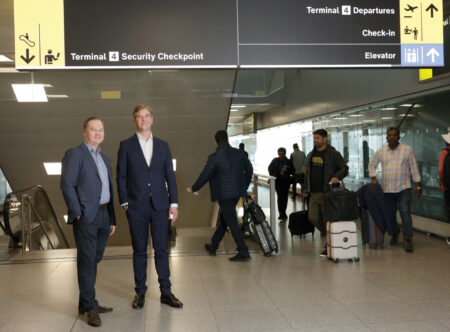
Airports operate as gateways for tourists, business travelers, and leisure travelers. They are strongly interconnected with the hospitality industry as increased air travel drives the demand for travelers who patronize hotels, food and beverage establishments, and local attractions. In turn, hospitality services offered at these gateways are significant sources of revenue for airport operators.
The hospitality industry largely relies on airports as a primary access point for travelers. For this reason, hotels and other hospitality services provide accommodations and amenities for all airline passengers. Consequently, airlines, hotels, and tour operators often team up to offer combined travel packages which may include flights, hotel stays, airport transfers, meals, car rentals, entertainment and recreational vouchers, and more.
The immense redevelopment of La Guardia Airport, JFK, and Newark Liberty International is transforming these gateways into destinations in themselves; places that reflect the identity and culture of the city and country they serve. Adopting hospitality strategies that focus on customer service, cleanliness, design, and functionality, these airports now offer travelers an enhanced experience, making their journey smoother, more personal, memorable, and convenient from arrival to departure.

New York metropolitan airports are evolving beyond complex transit points into cultural showcases that create an immediate sense of place.
From curb to gate and back again, passengers encounter welcoming, sustainable design, world-class art, food & beverage, and hospitable offerings that tell the story of their destination’s unique culture. The result is a transformation into truly hospitable accommodations.
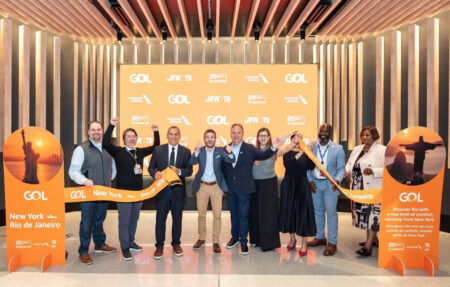
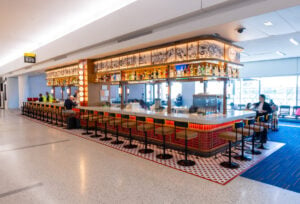
Integrating with local hospitality businesses and partnering with local brands allows airports to offer unique amenities that extend well beyond a mundane passenger experience. Local chefs who bring authentic regional and global cuisines to airport terminals provide a number of dining options and welcome culinary experiences that meet, and even exceed, the needs of a diverse passenger population.
Many airports now provide entertainment and recreational options to enhance a passenger’s experience. Airline lounges and those provided by outside vendors offer relaxation, workspaces, and complimentary refreshments. Additionally, many airports have spas, wellness centers, and game rooms for those seeking rejuvenation and downtime before a flight or during a long layover.
Conferences, corporate gatherings, trade shows, and festivals are also a specialized sector of the hospitality industry. A growing demand for unique events highlights this sector’s importance in propelling the hospitality business and economic impact, and also provides insights into local arts and entertainment.

Hotels: Checking In to Comfort
Full-service hotels connected to or located near airports serve as hospitality hubs for travelers, offering convenience for passengers with early or late flights with direct connections to terminals via skywalks, enclosed passageways, or air trains.
On-site airport hotel options include the Newark Liberty International Airport Marriott, located directly on the grounds of Newark Liberty (EWR). It offers a wide array of amenities, including on-site dining, a fitness center, on-site parking, park and fly packages, meeting rooms and event space, and complimentary shuttle service for guests to all airport terminals.
The TWA Hotel at JFK offers a unique, destination-style hotel experience with contemporary amenities and direct ‘tubes’ that connect the hotel to the JetBlue Terminal 5 at JFK. Unique amenities include a year-round rooftop infinity pool, a Lockheed Constellation transformed into a cocktail lounge, grab-and-go dining, The Sunken Lounge and Paris Café, a 10,000 sq. foot fitness center, museum exhibits on TWA, a ‘Twister Room’ (wall-to-wall version of the 1960s game) to play in, a bountiful measure of Jet Age nostalgia and 50,000 sq. feet of meeting and event space.
At every touchpoint, from airports and hotels to restaurants and entertainment venues, hospitality is the art of making guests feel at ease. It is the warm reception and lasting impression that evokes feelings of comfort and enjoyment, contributing to a positive, memorable, and holistic experience for travelers and guests.
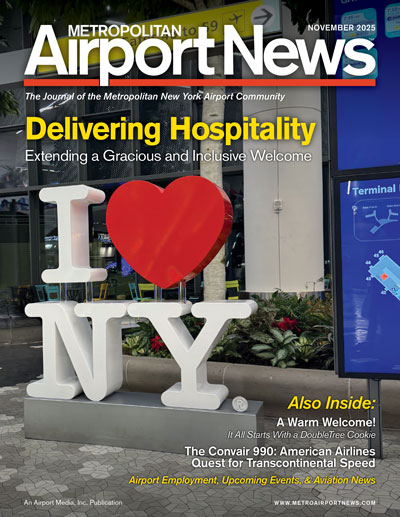
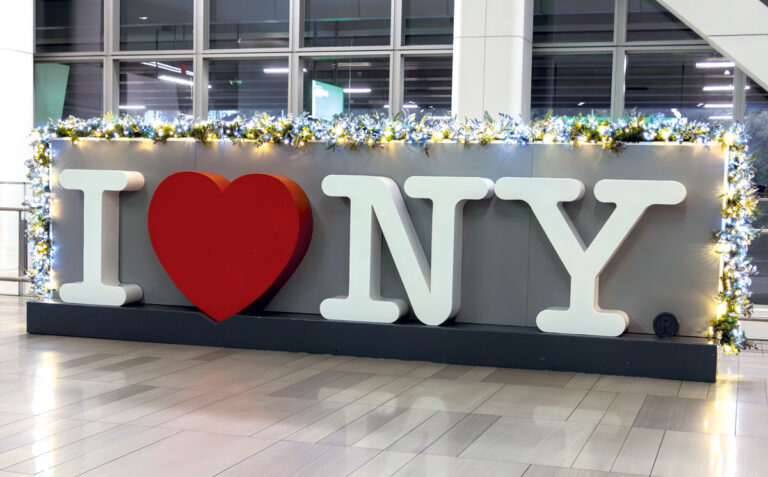
On the Cover: “I ♥️ NY” is a slogan, a logo, and a song used since 1977 to promote tourism in the state of New York. The service-marked logo appears in souvenir shops, brochures, and airports throughout the state. The logo, created by famed graphic designer Milton Glaser in 1976 while in the back of a taxi, was drawn with red crayon on scrap paper. The original drawing is on display at the Museum of Modern Art in Manhattan.