Aviation History
National Amelia Earhart Day
Honoring the record-breaking aviator whose bravery continues to inspire modern aerospace and shatter glass ceilings.
July 24, 2026
12:00 PM to 12:30 PM
Long before her final flight, Earhart logged milestones that shattered aviation’s glass ceiling:
-
1928: Became the first woman to cross the Atlantic by air.
-
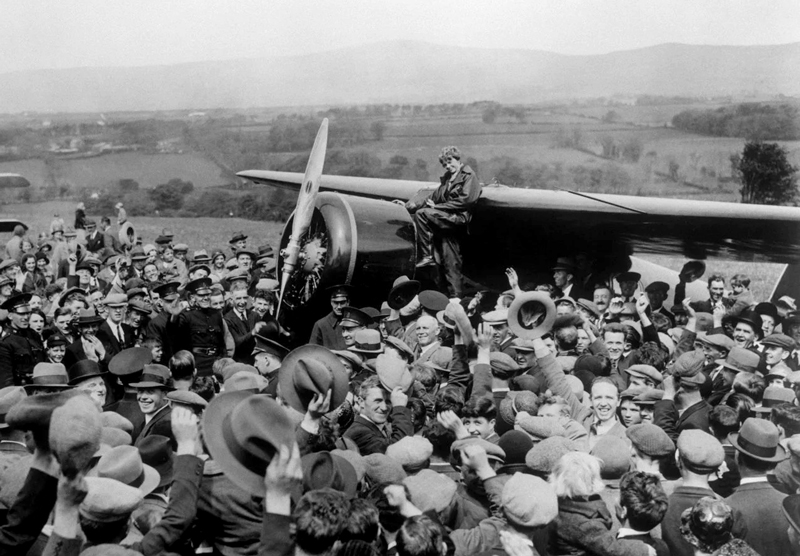
1932: Completed her iconic solo nonstop Atlantic flight in 14 hours and 56 minutes, landing her red Lockheed Vega in Northern Ireland despite equipment failures and severe weather.
-
1935: Became the first aviator to fly solo from Hawaii to California.
Beyond her cockpit achievements, Earhart leveraged her fame to advance social change. She co-founded The Ninety-Nines (an organization supporting female pilots that remains active today), advocated for the Equal Rights Amendment, and served as a visiting faculty member at Purdue University to mentor young women pursuing technical careers.
" location=", , New York " options="'Apple','Google','iCal','Outlook.com'" lightMode="system" buttonStyle="round">
Decades after her legendary flight ended in silent ocean waters, Amelia Earhart remains one of the most polarizing and inspiring figures in modern aviation history.Every year on July 24th, military aviation units, women in aerospace organizations, and historians observe National Amelia Earhart Day—a tribute timed to the record-breaking aviator’s birthday (born July 24, 1897). But this year, as high-tech deep-sea robotics and satellite analysis teams launch renewed search expeditions across the South Pacific, Earhart's story is generating fresh headlines across the globe.
A Cold Case Reheated by Modern Technology
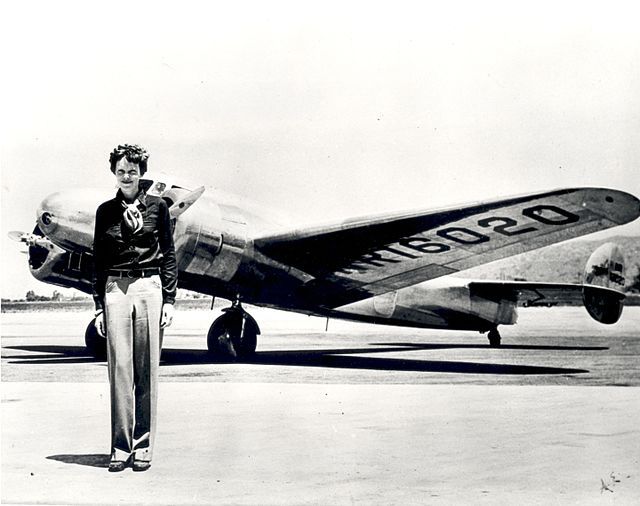
While the world remembers Earhart for her disappearance on July 2, 1937, during her attempt to circumnavigate the globe, oceanographic researchers and archaeologists are using 21st-century tech to rewrite the narrative. From autonomous underwater vehicles mapping thousands of square miles of ocean floor to satellite anomaly tracking around remote South Pacific lagoons like Nikumaroro, interest in locating her lost Lockheed Model 10E Electra has never been higher. Yet, historians emphasize that Earhart’s true story isn't defined by how her journey ended—it is defined by how she lived.
Breaking Records & Raising Barriers
Long before her final flight, Earhart logged milestones that shattered aviation’s glass ceiling:
-
1928: Became the first woman to cross the Atlantic by air.
-
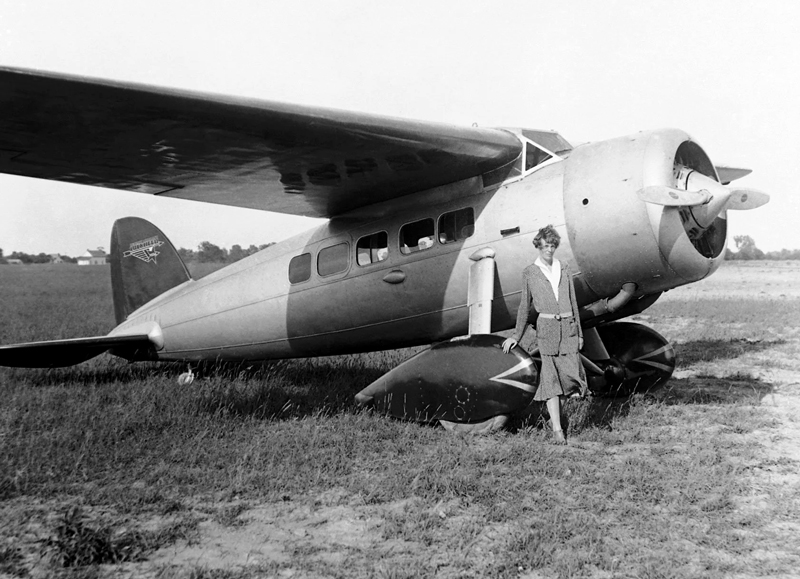
1932: Completed her iconic solo nonstop Atlantic flight in 14 hours and 56 minutes, landing her red Lockheed Vega in Northern Ireland despite equipment failures and severe weather.
-
1935: Became the first aviator to fly solo from Hawaii to California.
Beyond her cockpit achievements, Earhart leveraged her fame to advance social change. She co-founded The Ninety-Nines (an organization supporting female pilots that remains active today), advocated for the Equal Rights Amendment, and served as a visiting faculty member at Purdue University to mentor young women pursuing technical careers.
Photo Gallery