



Today’s travel experience is governed by the passenger bill of rights and many other metrics that continually monitor flight travel. These are not new concepts. Over the years, as airlines merged and new airlines appeared, on-time performance remains a constant operational issue. During my time working at Pan Am, the airline merged with National Airlines. Merging two companies, even in the same industry, is not easy.
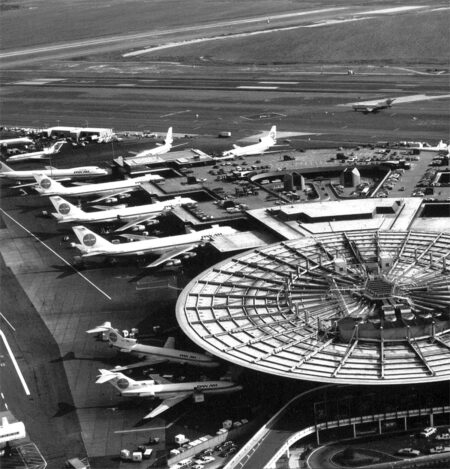
I accepted a position in Miami while working for PanAm and relocated to sunny Florida. My responsibilities included overall operations for flights at Miami International Airport and the southeast region. At the same time, many new hires for above- and below-wing operations had been hired at JFK, and overall on-time performance was at an all-time low in the 20 percentile. I was asked to join a JFK Performance Task Force with another employee from NYCOX-systems control. So, I headed back up north and moved into one of the airport hotels for over five weeks to join the task force.
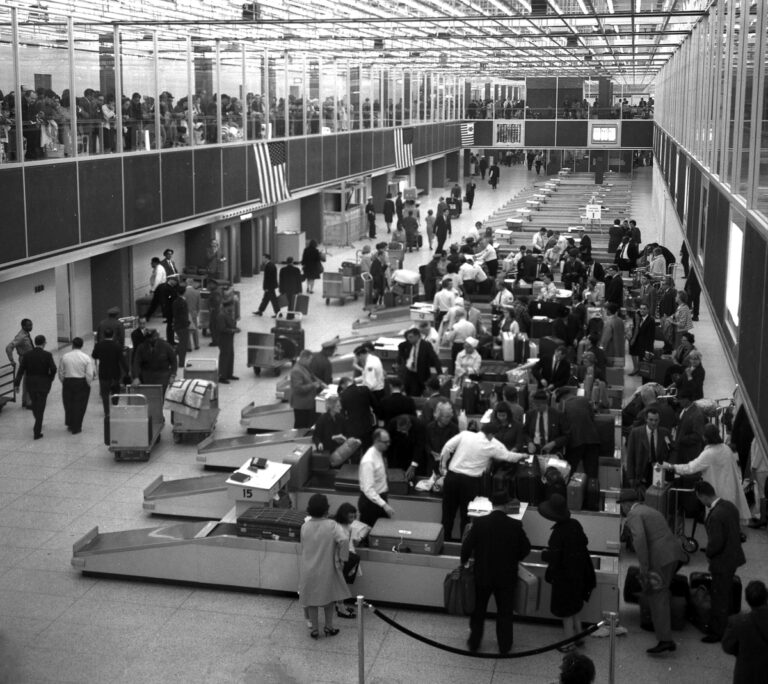
I arrived back at JFK to long lines at check-in positions and immediately thought I had made the wrong decision by coming back! Our first goal was to increase morning and key international flight performance levels. The 20th percentile was not acceptable. Training new employees began, and after a few weeks, we had made some progress with on-time performance slowly increasing up to the 70-80 percentile, and we were on our way. Several meetings at PanAm headquarters with executive staff were held to explain the progress and the next steps. I was asked to stay on at JFK after the task force concluded, but I diplomatically declined. We were in the middle of construction in Miami with the Concourse F expansion project and other projects in the southeast region that needed to be completed.
I returned to Miami to continue with the 26-gate expansion project. I also successfully negotiated with the FAA for the vacant control tower for our service control operations of the E and F concourse. The use of the tower was imperative for increased on-time performance at Miami due to the fact that there were four peak periods: morning, midday, evening, and late night. I recall attending many construction meetings with local employees who had a hard time pronouncing my name. They would fondly refer to me as “Bubba” instead. We all worked together to complete the concourse project on time and under budget.
Many of the Miami and southeast region employees had come from National Airlines. My boss was a former marketing executive from National and needed to gain experience in airline operations. I recall he had a coffee mug that made a statement about his marketing genius in his office.
We were expecting a visit from some of the PanAm executive staff, so I suggested that my boss get rid of the mug. Of course, he didn’t get rid of it, and the mug was spotted. The PanAm executive suggested that it should have read “best baggage and on-time performance” and proceeded to throw the mug in the garbage. Just another typical day in the airline industry!