

Mother Nature never ceases to amaze. Several weeks before the events of October 29, 2012, weather reports indicated an impending storm heading our way. No one imagined the damage that Hurricane Sandy would deliver to the airport and NYC. Weeks of preparation with Federal agencies, including the National Weather Service, airlines, and the airport community, would not have spared the wrath brought on by Sandy. Adding to this was a full moon and high tides simultaneously; the perfect storm.
In advance of the storm, an Airport General Manager’s Bulletin alerted the airport community of the impending storm. Flights were canceled, ramp equipment secured, and plans in place to assist stranded passengers. Port Authority Maintenance and Operations crews cleared all drains and pumps on Van Wyck and JFK Expressways to help with flooding. All airfield lighting systems were also shut down in advance of the storm.
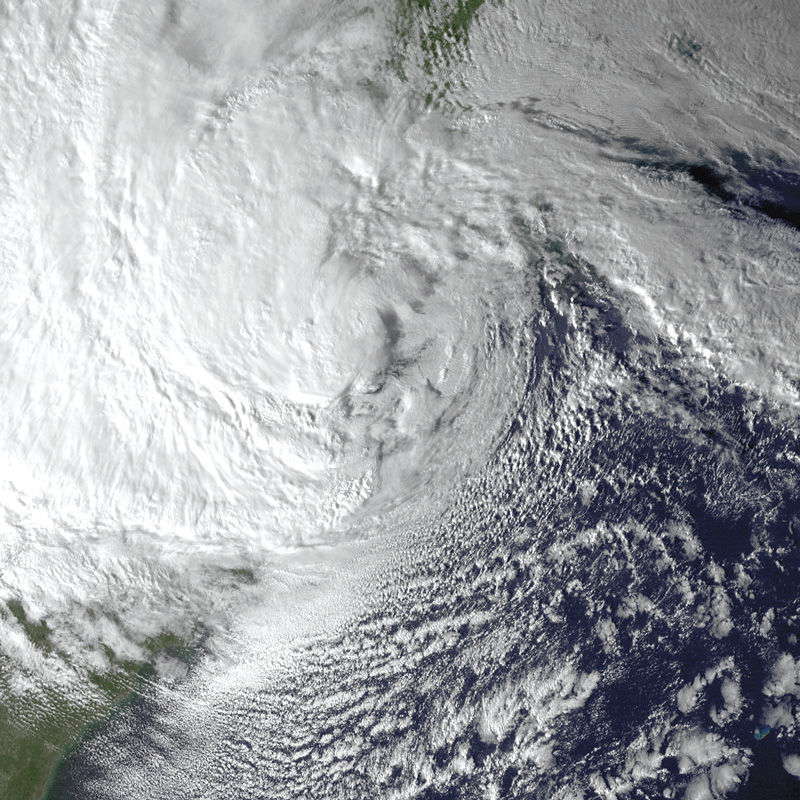
When Hurricane Sandy made landfall, the 80-mile-per-hour winds and 14-foot-high storm surge from Jamaica Bay delivered a punch to JFK Aiport’s airside operations. The Bay Runways, also known as the 4’s parallel runways, became unrecognizable. Wave heights hit 35-40 feet during the height of the storm. Sandy became known as the worst storm in over 200 years.
JFK Airport remained closed for a day and a half once the storm passed. More than 50,000 passengers were affected worldwide. Many international airlines, including European and Asian carriers, canceled all flights to the US. Debris, including boats, fish, truck tires, lumber, fencing, and seaweed, washed up onshore and covered the airside runways and taxiways. Port Authority Maintenance and Operations crews did an excellent job removing the debris once the water receded. The airside security fencing was destroyed, and flooding impacted the Lefferts Blvd. AirTrain Station for some time.
As soon as the airport reopened, military flights were the first to arrive, bringing generators and supplies for those communities surrounding JFK where electricity was lost for days. The community of Breezy Point lost over 100 homes to a fire caused by an electrical explosion that spread before it could be contained. Since no fuel deliveries were coming to the airport, we opened up a makeshift fueling station at Hangar 12 to assist the airlines and service companies in fueling their ground equipment needed for the clean-up and restoring operations.
The impact of Hurricane Sandy exceeded the cost of Hurricane Katrina, which was over $128 billion. NYC and surrounding communities will always remember this event. The storm certainly lived up to its name of “Super” Storm Sandy.