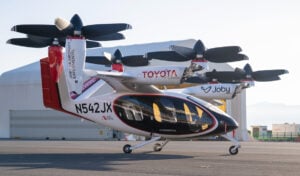
GOL Linhas Aéreas, one of Latin America’s leading airlines and Brazil’s largest domestic carrier, launched…


Robert G. Waldvogel has spent thirty years working at JFK International and LaGuardia airports with the likes of Capitol Air, Midway Airlines, Triangle Aviation Services, Royal Jordanian Airlines, Austrian Airlines, and Lufthansa in Ground Operations and Management. He has created and taught aviation programs on both the airline and university level, and is an aviation author.
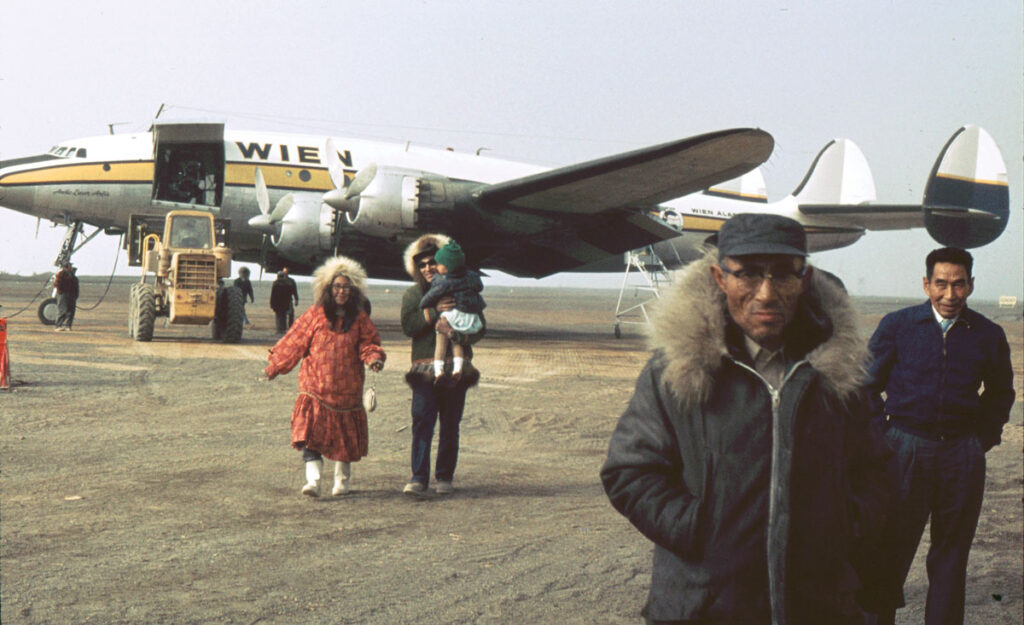
First to spread wings in the 49th state, Wien Air Alaska served as a passenger and supply lifeline to remote communities, operated in geographically and climatically challenging conditions, and ultimately extended its reach to the Lower-48. But it always bore the name of its founder as it negotiated mergers and expansions throughout its six-decade history. The name that the airline bore was Noel Wien. Born, himself, in the Lower-48—specifically in Nebagamon, Wisconsin, in 1899—or just before the turn-of-the-century and four years before the Wright brothers even demonstrated that controlled, powered, and sustained flight was even possible—he was drawn to aviation…
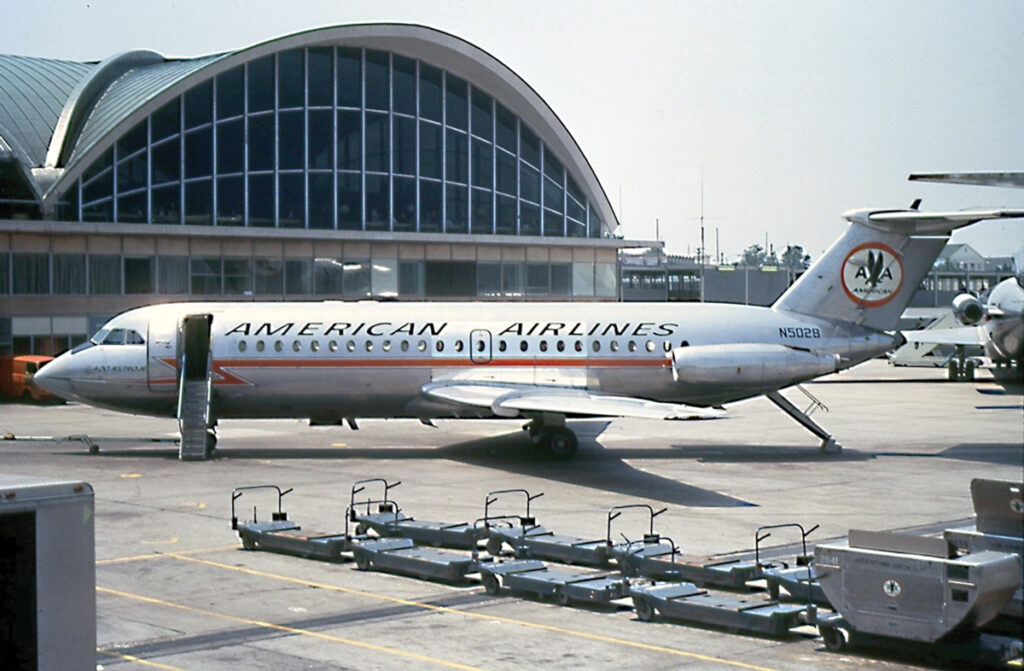
As the airlines crossed the bridge between the 1950s and 1960s decades, and the first long-range jets took form as the Boeing 707, the Douglas DC-8, and the Vickers VC10, the consensus was that the earlier piston-powered types would continue to serve the short and medium routes. But, as quickly gauged by passenger popularity, travelers sought the same jet speed and comfort on sectors of all lengths, leaving aircraft manufacturers to design economical, smaller-capacity airliners. Although producing them was logically viewed by the non-aviation public as just reducing the number of seats, the reality was that suitable pure-jet powerplants had…

Located at Schenectady County Airport in New York State’s Capital-Saratoga region, the Empire State Aerosciences Museum capitalizes on the state’s aviation history in building and exhibits. “The Empire State Aerosciences Museum is a one-of-a-kind cultural resource located at Schenectady County Airport in the town of Glenville at the site of the former General Electric Flight Test Center,” according to the facility’s self-description. “Dedicated to interpreting aviation, particularly as related to New York State, the museum offers visitors a variety of enjoyable and educational experiences, including interpretive exhibits, a spectacular collection of restored aircraft, and the state’s largest aviation library, as…

Ideas for carriers may come from many sources, but the one for World Airways was a logical one: Benjamin Pepper, a Boeing B314 flying boat pilot for Pan American World Airways, conceptualized starting his own air carrier, but never envisioned the multiple roles it would play over an almost seven-decade period. What he did envision was buying the now-outdated B314s to equip its fleet. His vision endured. His position at the helm of it did not. Airline Origins Three of these lumbering behemoths soldiered on when operated by the airline he founded on March 29, 1948 on the New York-San…
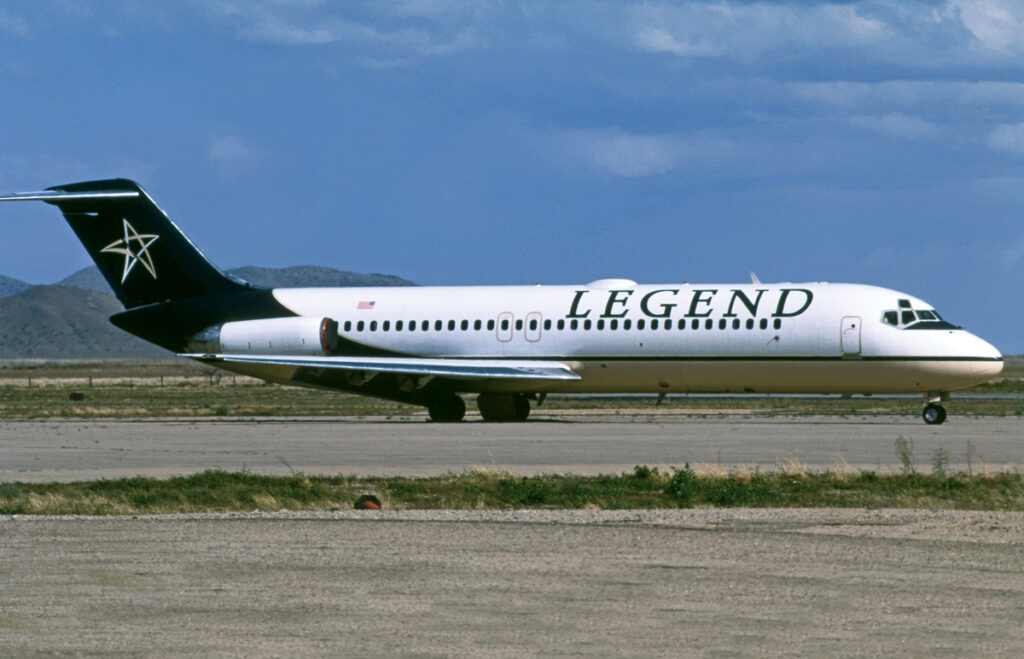
Deregulation, which enabled new-generation airlines to challenge the incumbent ones, resulted in two fundamental types: The low-fare, single-class, limited-amenity ones that attracted budget travelers and the unrestricted coach-fare ones that offered first-class-equivalent service in select business markets and thus became opponents of the major airlines. Air 1 and Legend Airlines, a first-class pair, belong to the latter category. Air 1 Like the pieces of a puzzle, which, when assembled, produce an airline’s profile, Air 1 put together the following. The members of its management team, consisting of former Apollo astronaut and current Houston businessman Eugene A. Cernan as chairman of…

As the 1960 decade dawned, jets appropriate for short ranges did not yet exist. But there was always a “first” for everything, and United Airlines took that distinction when it became the first US carrier to order the first short-haul jet just rolling off of the production line. Added to its gamble was the fact that it did not come from the US, but from France, where it was dubbed ‘la belle Caravelle”—or “the beautiful Caravelle”–by its own engineers. Design Origins The aircraft traces its origins to the French Ministry of Civil Aviation’s November 5, 1951 specification for a “moyen…

For a carrier whose identity was reflected by its “brightest star” name, it burned out after only a decade and a half, but during that time, it transitioned from a turboprop commuter to an all-jet regional, experiencing growing pains, searching for a niche, reinventing itself, and hopelessly combating companies that could be considered the size of constellations. Commuter Carrier Origins Taking its name from “Altairus,” the brightest star in the constellation Aquila, it adopted a blue eagle logo to adorn the vertical tails of its aircraft to further reflect the “eagle” meaning of Aquila itself. Despite its shine, it began…
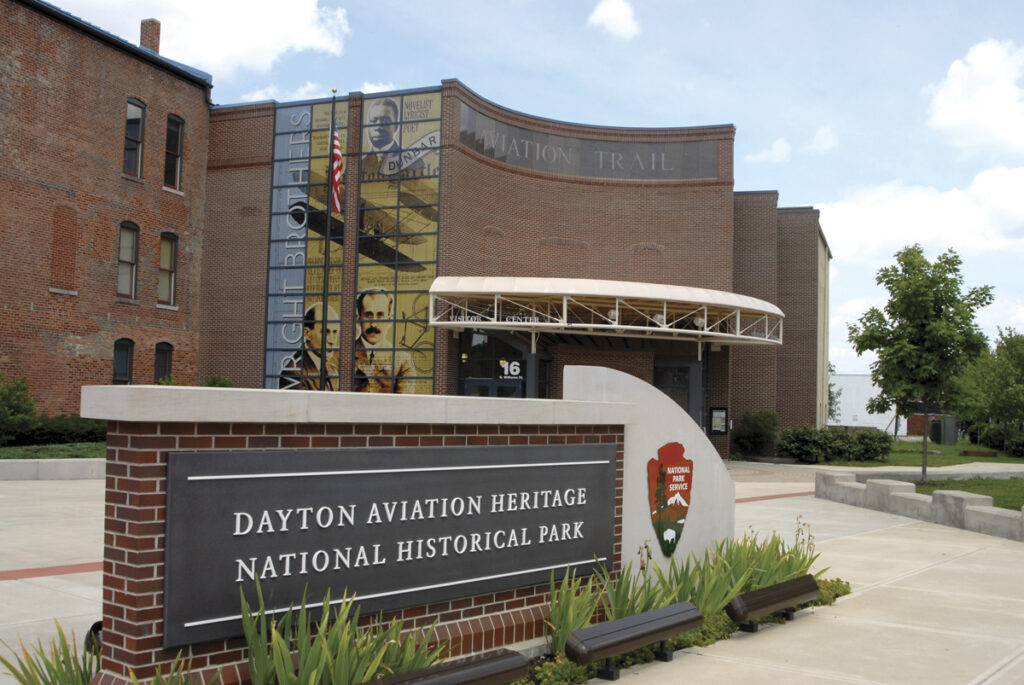
If aviation had an equivalent to Mecca, it would most likely be Dayton, Ohio, and its Aviation Trail enables the visitor to trace the lives of the Wright Brothers and their invention of the world’s first successful aircraft. The Wright Brothers and Dayton Considered the “birthplace of aviation,” Dayton itself is inextricably tied to the Wright Brothers. “In a sense, the Wright Brothers and Dayton came of age together,” according to the National Park Service’s “Dayton Aviation Heritage” brochure. “It was a nurturing environment for the curious and creative pair. From childhood, they tinkered, built, and showed an entrepreneurial bent-tendencies…
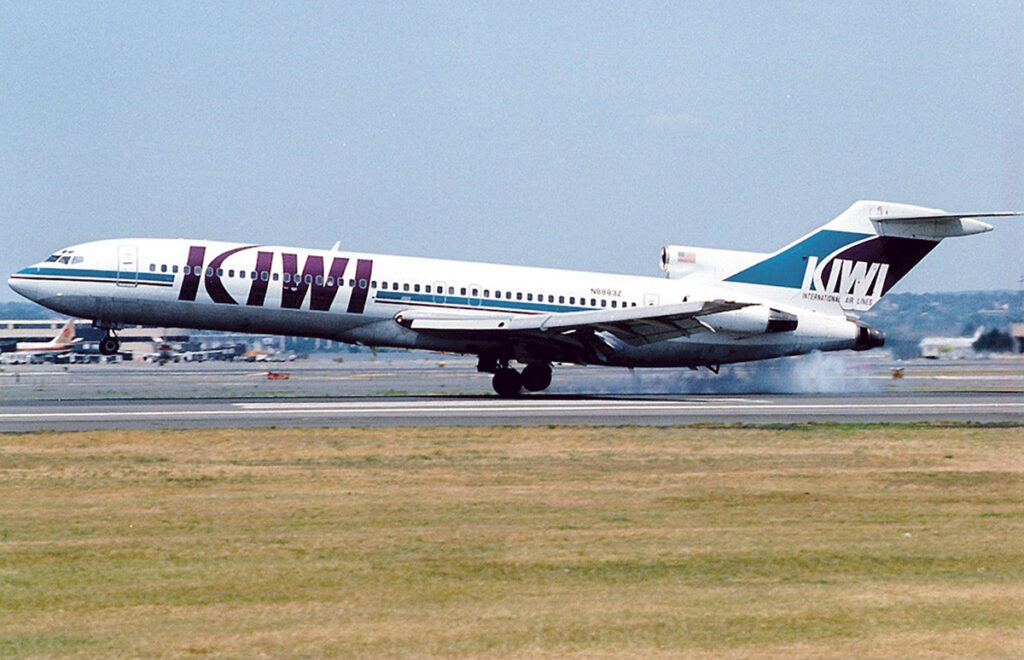
Both birds and airplanes attain lift with wings. But one of the former species has none at all and is therefore flightless. When airlines fail, they, too, join the grounded pack. This, in essence, was the concept that gave rise, and ultimate fall, to KIWI International. Flightless Bird Like a string of dominoes, once-mighty carriers whose failures were initially never conceivable suffered that very fate. One of them, of course, was Eastern, which ironically adopted “The Wings of Man” campaign to lure passengers, yet its own were eventually severed. While some, harnessing the forces of deregulation, attempted a comeback, others tied together…

Lower-demand, shorter-range routes inappropriate for larger-capacity aircraft dictated the types that could be operated during the first few decades of the jet age: a high-capacity jet itself or a low-capacity turboprop. Why, it can only be wondered, were the two concepts not combined for regional operations? Regional Jet Evolution At the dawn of the 1970s, the Vereinigte Flugtechnische Werke of Germany designed the 44-seat VFW-614, whose above-wing mounted engines shielded low-altitude ground noise and permitted access to service panels without ladders or other support equipment. Only 16 aircraft were ever ordered by Air Alsace, Cimber Air, and TAT, as well as…