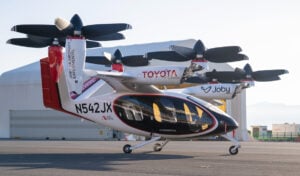
GOL Linhas Aéreas, one of Latin America’s leading airlines and Brazil’s largest domestic carrier, launched…


Robert G. Waldvogel has spent thirty years working at JFK International and LaGuardia airports with the likes of Capitol Air, Midway Airlines, Triangle Aviation Services, Royal Jordanian Airlines, Austrian Airlines, and Lufthansa in Ground Operations and Management. He has created and taught aviation programs on both the airline and university level, and is an aviation author.
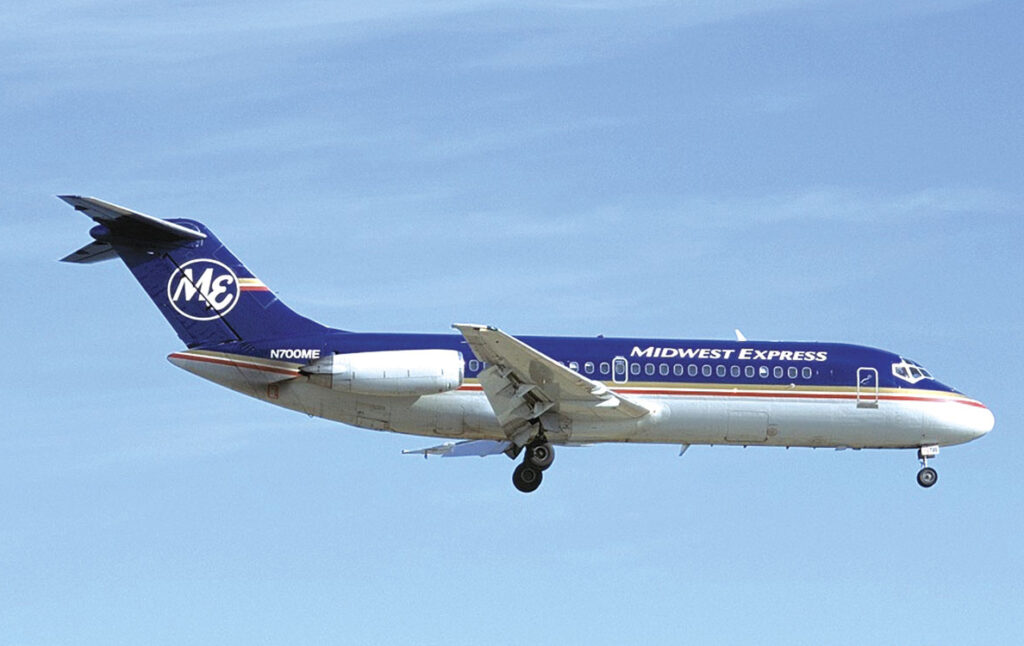
Internal need sometimes leads to external purpose. Midwest Express Airlines, a unique, post-deregulation carrier, successfully demonstrated this concept. From Corporate to Commercial Aviation Tracing its roots to the 1969 establishment of K-C Aviation, a subsidiary of Kimberly-Clark’s flight department, which had maintained a small fleet of aircraft and serviced those of its corporate clients, it took initial, internal form when the need to transport employees from the company’s Neenah, Wisconsin, headquarters to the locations of its mills, arose. They were not always conveniently situated. If, for example, its staff had to travel from Appleton, WI., to Atlanta, Ga., they would have…
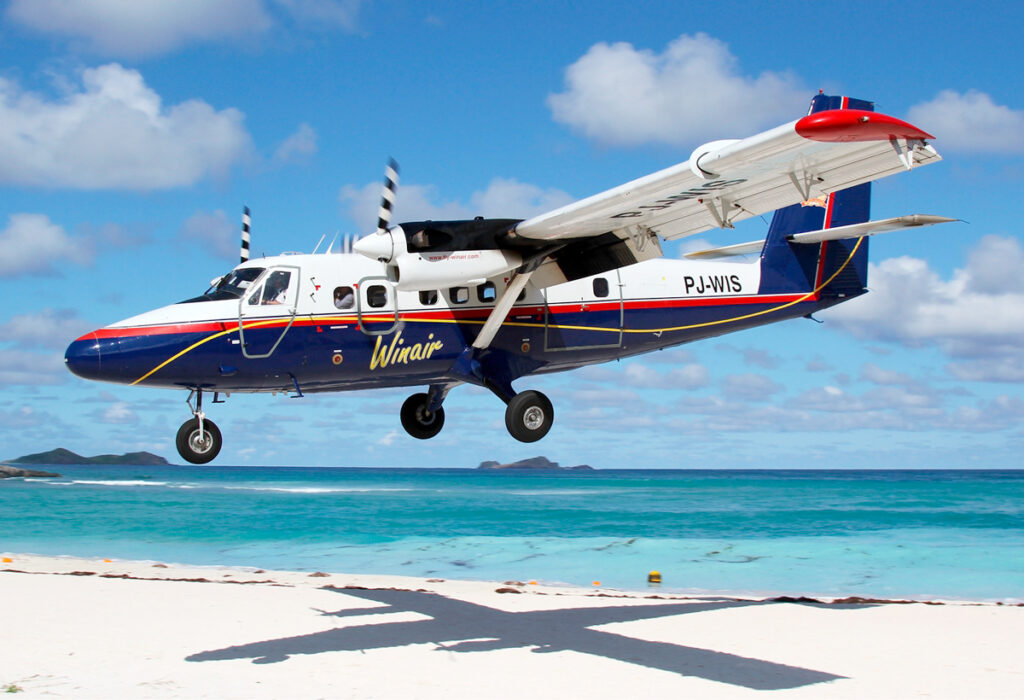
When a passenger approached his departure gate at the dawn of the Jet Age in the early-1960s and noted propellers on his aircraft, he most likely thought, It’s one of those old ones. Propellers were clearly associated with age. Yet they predominantly graced the wings of commuter and regional aircraft for the balance of the 20th century. Were all of these airplanes also just “old ones?” The Propeller: A Closer Examination Although commercial aircraft sporting propellers were the standard for airliners until the advent of the Jet Age, their appearance is only skin deep. They were integral parts of both piston…

Many small, independent airlines, which operated a handful of turboprop aircraft within a limited catchment area, were later propelled into the major ranks because of three main aviation trends: deregulation, major carrier alignment, and the new breed of regional jets. Comair was one of them. But success can sometimes lead to failure if independence is lost —and in Comair’s case, it was. Origins and Early Growth Voids often serve as catalysts to their fulfillment, which, in many ways, was the reason for Comair’s creation. The airline can trace its origins to two Eastern Airlines employees, Patrick Sowers and Charlie Fugazzi,…

Located in the mid-Hudson Valley, Newburgh’s Stewart International Airport (SWF), south of Kingston and some 65 miles north of Manhattan, is one of three secondary airports, along with White Plains’ Westchester County and Islip’s Long Island MacArthur. Having transitioned from a military to a commercial facility and relying on a regional market base that usually avails itself of greater destination choice in Albany and the three major New York airports, it grappled with sustained airline service in the midst of limited notoriety, a recession, and the pandemic. Origin and Military Application Seeds grow from farmland and, in this case, so,…
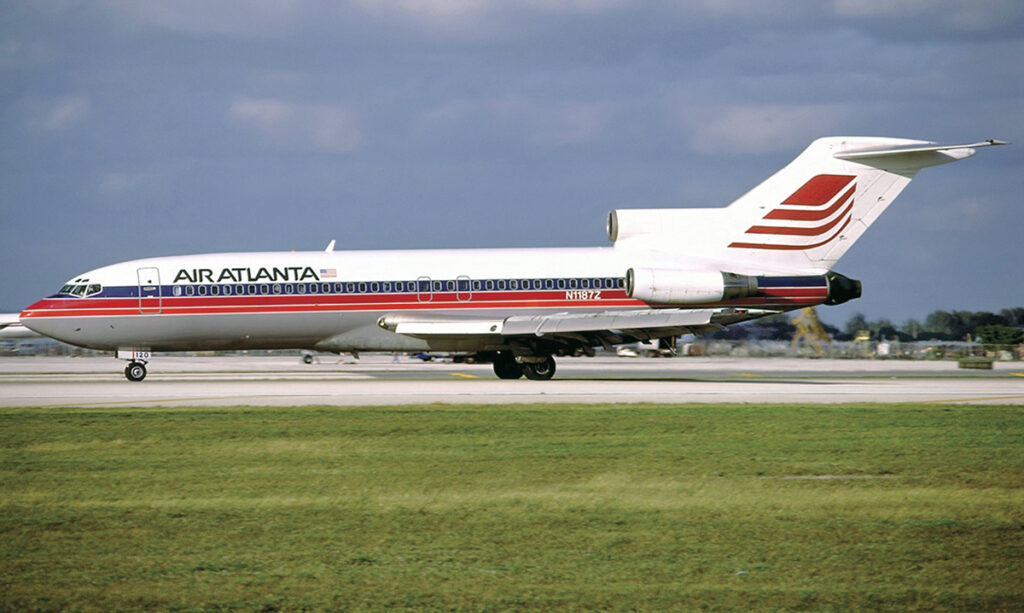
Deregulation offered entrepreneurs opportunities to craft their own versions of airlines, which varied in concept, fare structure, and destination, and passengers the opportunities to choose new, major carrier-challenging ones. Because of their tenuous natures, the battle between them and the established ones was often a David versus Goliath one, and successes were only temporary, if at all. Air Atlanta fits into this category. “Air Atlanta was an anomaly in the airline industry,” according to Tiffany Hart in her “Gone, but not Forgotten: Air Atlanta” article (Atlanta History Center, September 28, 2023). “It was a low-cost carrier that ferried passengers in…

When technological innovations occur, someone or some company becomes the first to invent and introduce them, and others often follow, sometimes improving upon them. In the case of commercial jet aviation, that introduction was the de Havilland Aircraft Company’s DH.106 Comet, the world’s first jet airliner. The Avro C-102 followed it into the sky only 13 days later and could have been the second. But it never entered service. What went wrong? Engine Selection Aside from the nascent state of jet engine development during the 1940s, few were available for use by commercial airliners. But promise came from across the pond,…
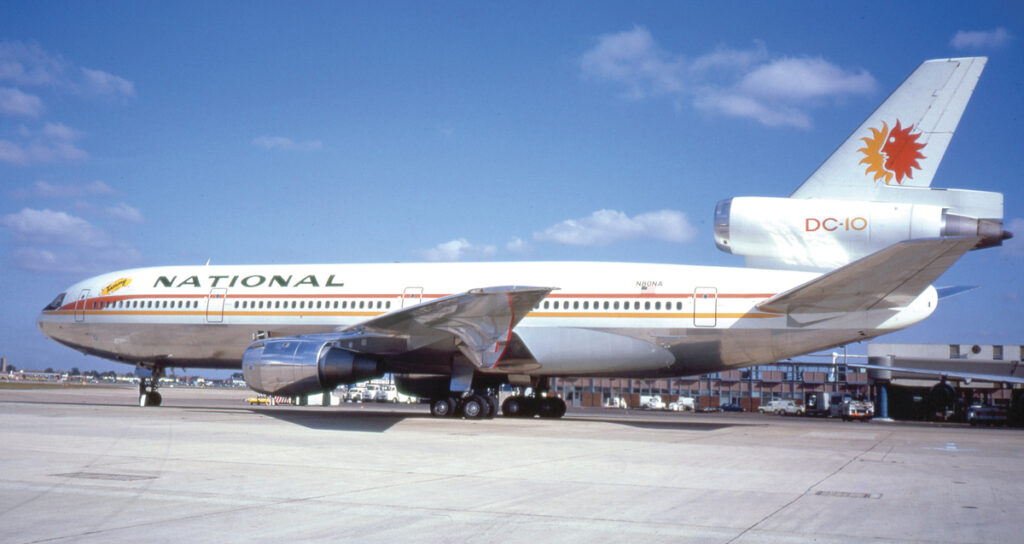
States carry associations. In the case of California, it is Hollywood. In the case of Colorado, it is the Rocky Mountains. And in the case of Florida, it is sunshine. One carrier sought to reflect it in its very image: National, the Sunshine Airline. But, like many that evolved from puddle jumpers to major ones, it transported letters before passengers. Airmail Origins “National Airlines…is the only Florida-born, Florida-based, and Florida-chartered trunk carrier, and was founded in 1934 following the award of a 142-mile airmail route between St. Petersburg and Daytona Beach, linking Tampa, Lakeland, and Orlando,” according to Arch Whitehouse…
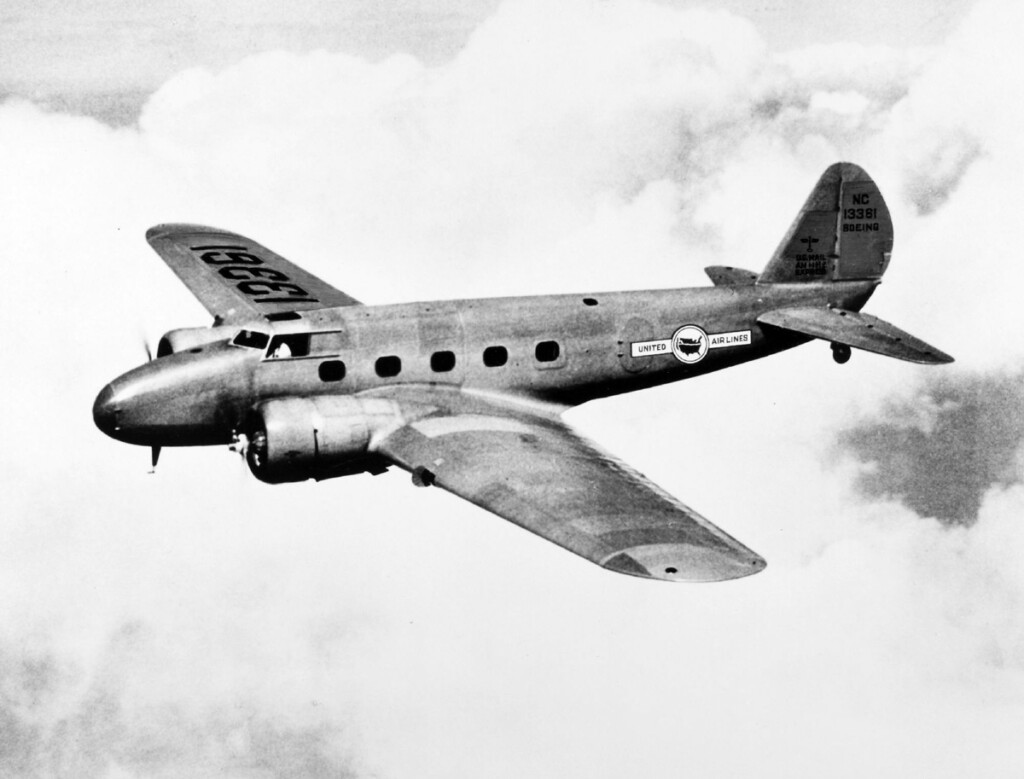
When a boarding announcement was recently made in the gate area at Los Angeles International Airport for a flight to JFK, most of the passengers rose from their seats, and a man instinctively took out his cell phone. “They just called the flight,” he said to his wife. “We’re boarding now. I’ll be home in about five hours.” A century ago, there were no cellphones, and those “five hours” would have constituted only a fraction of the transcontinental journey. Early Airliners Like a mountain to be climbed, the coast-to-coast crossing became an early, natural goal to be achieved, but lack…
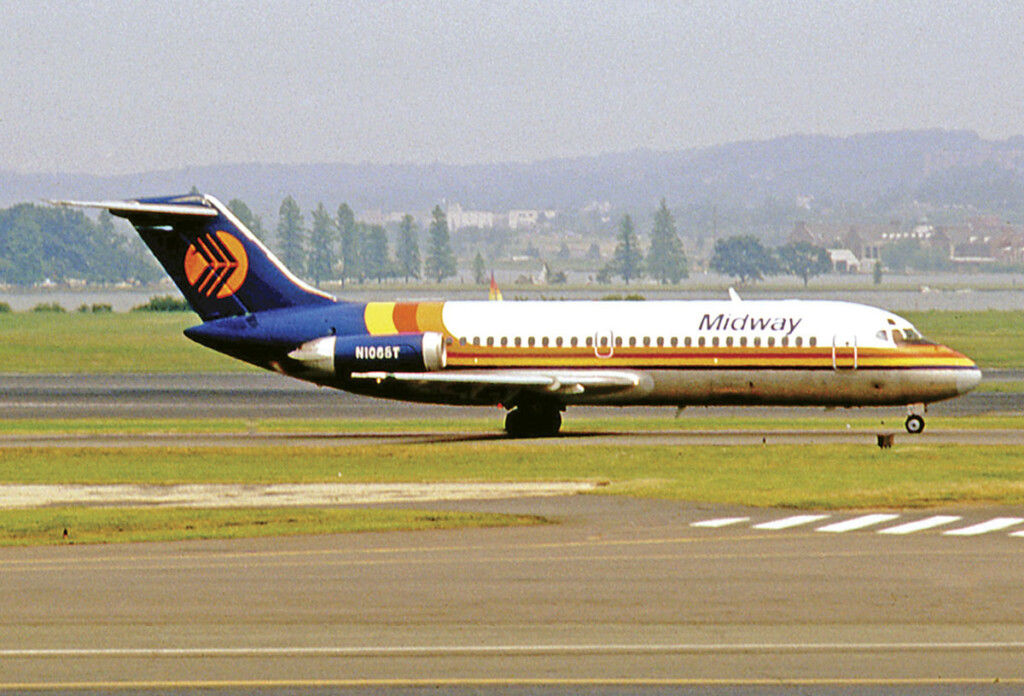
Airline Origins and Service Inauguration Chicago-based Midway Airlines, which plied the skies for a dozen years, was the first deregulation-spawned start-up to enter service, paving the way for the multitude of similar-strategy carriers that followed. In a way, it represented all of them, sparking a resurgence of vacated, underutilized airports, which they claimed as their operational bases, and it taught important lessons about such airlines. Ultimately, it demonstrated the underlying forces of U.S. deregulation. Its history may have been brief, but it was characterized by aircraft, destination, and strategy changes as it sought to determine its niche and profitably fill…
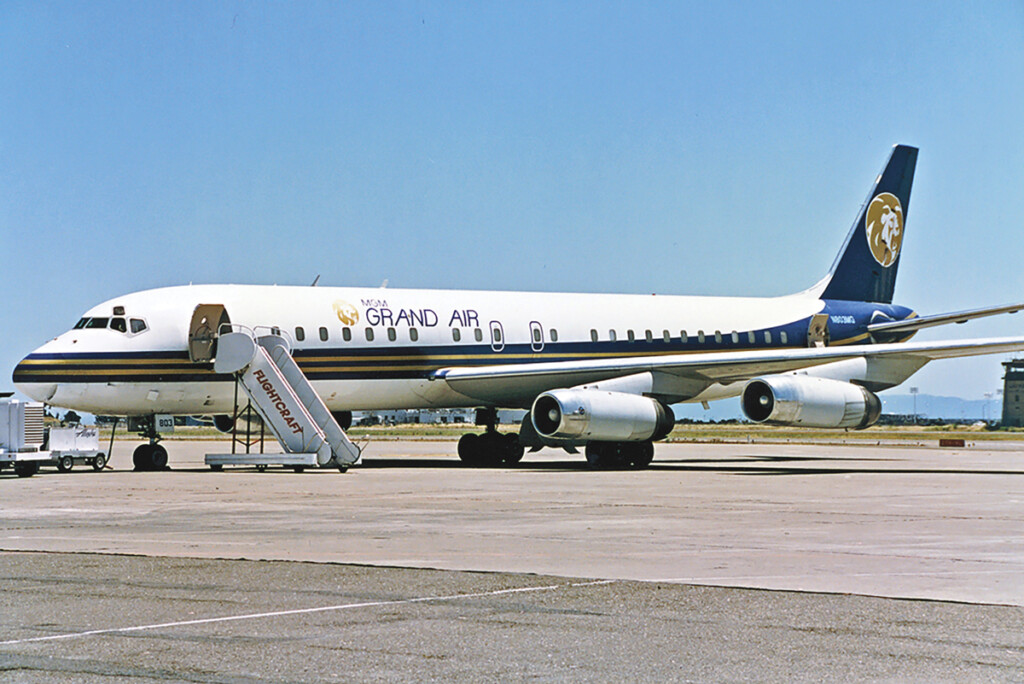
Fighting airport congestion, joining long security queues, and being packed into cattle cars with wings, today’s airline passengers must sometimes wonder how the privileged few fly: private sanctuaries removed from the terminal turmoil, a corporate jet that awaits only feet away from it, and living room luxury once on board. A few may not have needed to imagine such an experience, even if they do not count themselves among the rich and famous if they once flew on a carrier that blurred the boundaries between the airline and private jet—MGM Grand Air. Founder and Foundation If that name evokes images…