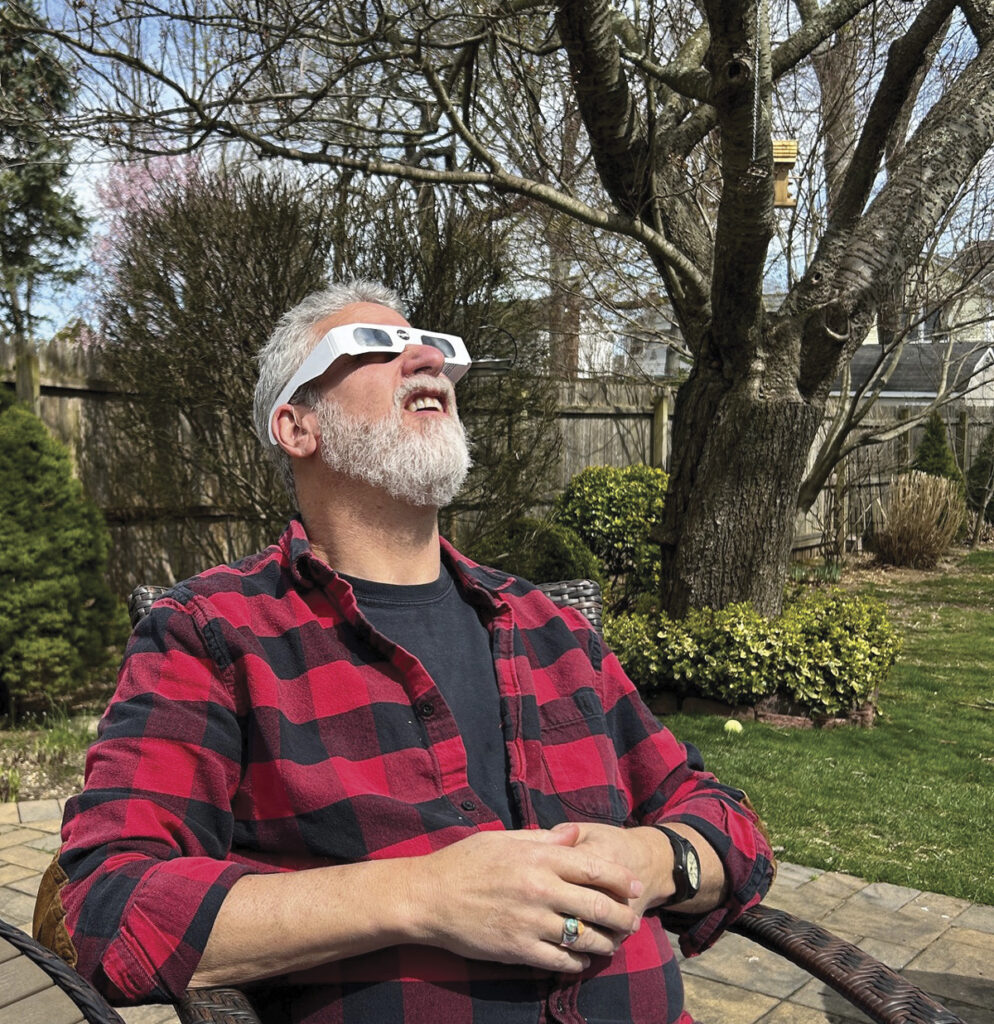






On April 8, as the shade of the Moon overlapped the Sun and swept across the Mexican and Texas border on a path that spanned 15 states, tens of millions of people across North America had the chance to witness a rare, unearthly celestial show, with some 31 million people in the path of totality that thrust them into abrupt darkness and a hasty chill in the air.
NASA estimates that 99% of people residing in the U.S., including parts of Alaska and Hawaii, were able to experience the eclipse either partially or in totality
In the Northeast, as officials tally the economic impact of visitors who flocked to certain areas of the region, such as northern New York and Vermont, to view the eclipse, the Adirondack Coast Visitors Bureau estimates that about 200,000 people traveled to the Clinton County region and about a half-million throughout the Adirondacks.

In advance of the phenomenon coined ‘The Great North American Eclipse’ in a General Statement by the FAA, airlines, and pilots flying under air traffic control were asked to plan ahead and to file a preferred route. “Advanced planning will minimize route changes and help the FAA better manage the flow of traffic in bus airspace, resulting in fewer delays.”
President Biden called the eclipse an event ‘worth marveling at.’ And for millions, during the brief minutes when the day turned into night, or even the shadow of the Moon barely dimmed the light around them, it was a mystical experience, an ethereal moment of pause, a chance to escape the noise, refresh and reenergize… a time for people to stand together and look up at the sky… and really see the wonders of the Sun, the Moon, and the stars that surround and sustain us each and every day whether always visible or not.