





According to the World Animal Foundation, every year approximately 920,000 homeless pets are euthanized in the United States (390,000 dogs and 530,000 cats) primarily due to a lack of space. According to the latest data, Almost 5.7 Million Animal Enter Shelters Annually, of which 2.8 Million are Dogs and 2.9 Million are Cats.
Providing a loving home for a rescued pet is one of life’s greatest pleasures, as well as an essential commitment that an adopter makes toward caring for a deserving animal, companion, and treasured friend. Adopting a dog or cat through a rescue organization saves lives and gives them a second chance. Many rescues come from unimaginable circumstances, such as cruelty, neglect, abandonment, or owners who are no longer able to care for them due to illness or a change in living situations. Some have never known a life off the streets, outside of a kennel, or a puppy mill, where mass breeding for profit is the rule, and little or no regard is given to an animal’s health, well-being, or basic necessities.
In the U.S., animal rescue encompasses various types of organizations and facilities, including municipal shelters, private non-profit shelters, rescue groups, and foster homes. These entities play a crucial role in providing care, rehabilitation, and rehoming opportunities for animals in need.
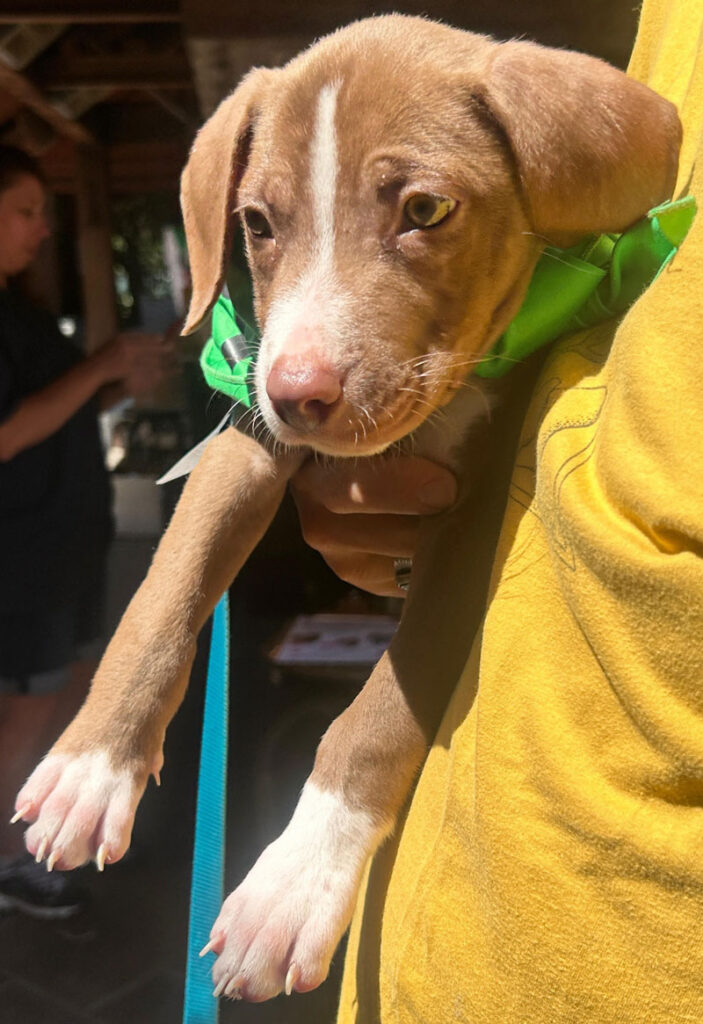
When pet rescue comes to mind, most people think of their local animal shelter, but what many may not realize is that, very often, rescued pets are pulled in the 11th hour from being euthanized, before traveling a long distance via air transport and ground to a safe haven with a local rescue organization, a foster, or an adoptive home.
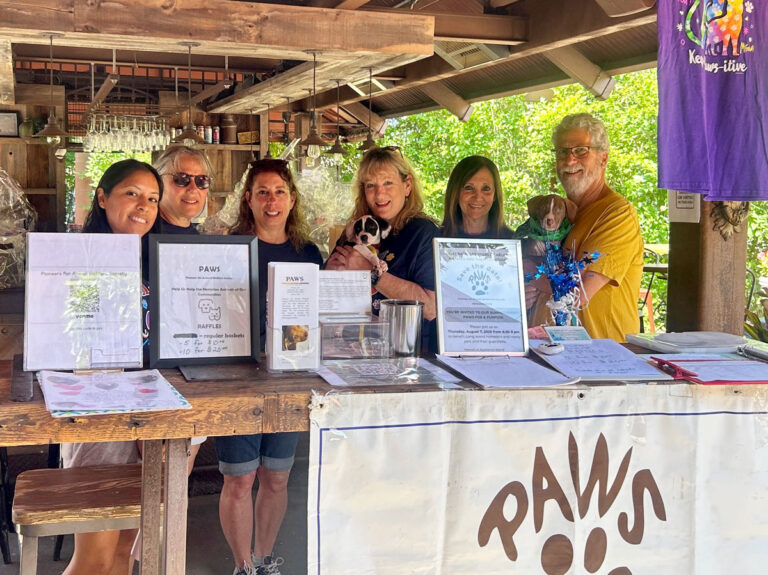
The rescue group that I volunteer with is called Pioneers for Animal Welfare Society, Long Island (PAWS LI). PAWS is an all-volunteer, non-profit organization dedicated to promoting respect for all living things, as well as attempting to reduce the increasing companion animal population. PAWS has been in existence since 1976. It is one of the oldest Long Island animal welfare groups and, in the coming year, will be celebrating its 50th anniversary of saving thousands of animals in need.
There are many charitable organizations that provide air transport across state lines and several outside the USA. Most flight rescue organizations have a core network of general aviation volunteer pilots who transport rescue animals by air, in and out of small and regional airports across the United States. Throughout the country, hundreds to thousands of licensed private pilots donate their time, resources, or personal aircraft to transport rescued dogs and cats to safety. Since most of these smaller aircraft have a limited flight range of 200-500 miles, long-distance rescue flights are coordinated amongst several pilots who are assigned a ‘leg’ along a given flight route to the rescue’s planned destination. Transports originating from outside the USA most often utilize commercial airlines to fly rescues into the country. When flights are not available into an airport near the rescue’s final destination, the use of ground transport must be coordinated to pick up the rescues at the airport and deliver them by van or car to their safe haven.
Brooklyn-based Pilots to the Rescue (PTTR) is a 501 (c) (3) non-profit, volunteer-driven public benefit aviation organization started by Michael Schneider in 2015 to combine his love of aviation and saving animals at risk. He is a commercial, instrument-rated pilot who flies out of Essex County Airport in Caldwell, New Jersey. This year, PTTR celebrates its 10th year of saving homeless pets from euthanasia and transporting them to larger shelters and animal rescue organizations where they are more likely to be adopted. PTTR collaborates with animal shelters across the U.S. to identify pets on euthanasia lists, securing space in other states and coordinating rescues with its volunteer pilot fleet. These pilots fly animals from critical situations to safety, ultimately saving lives.
Thus far, in 2025, Pilots to the Rescue has flown 52 missions, 73,386 miles, and has rescued 1,372 souls, including 591 cats, 764 dogs, and 10 foxes.
Ultimately, rescue organizations, especially local non-profits like Pilots to the Rescue and Pioneers for Animal Welfare Society (PAWS), cannot do the urgent work they do to sustain their mission to save the thousands of homeless animals in need without critical and ongoing support, be it through monetary or in-kind donations, fundraising events, corporate grants and sponsorships, and most vitally…volunteers.
Check out their links and help save a life!