




While the northeast of the United States is covered with snow and below-freezing temperatures, this is a great time to spend the first two weeks of January in New Zealand, where it is summer in the Southern Hemisphere and the days of sunshine are long.
New Zealand consists of two islands, the North and South Islands, separated by 14 miles by the Cook Strait. The country has every environmental phenomenon in the world. Glaciers, beaches, rainforests, alpine forests, agricultural plains, mountains, and volcanic craters exist.
We began our trip to Auckland, which is New Zealand’s biggest city and boasts that one out of every four residents has a seacraft. We flew on Delta Airlines from New York to Los Angeles, and then Los Angeles to Auckland. The total flight time was almost 18 hours; NY and New Zealand have an 18-hour time difference. Leaving on New Year’s Eve, we arrived the morning of January 2nd as we crossed the international dateline.
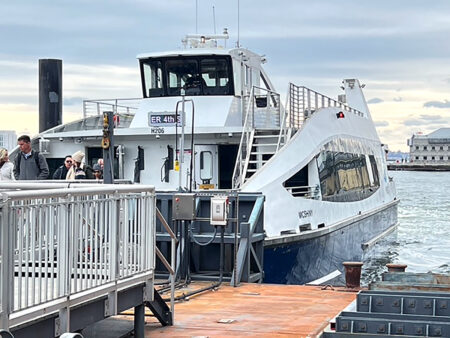
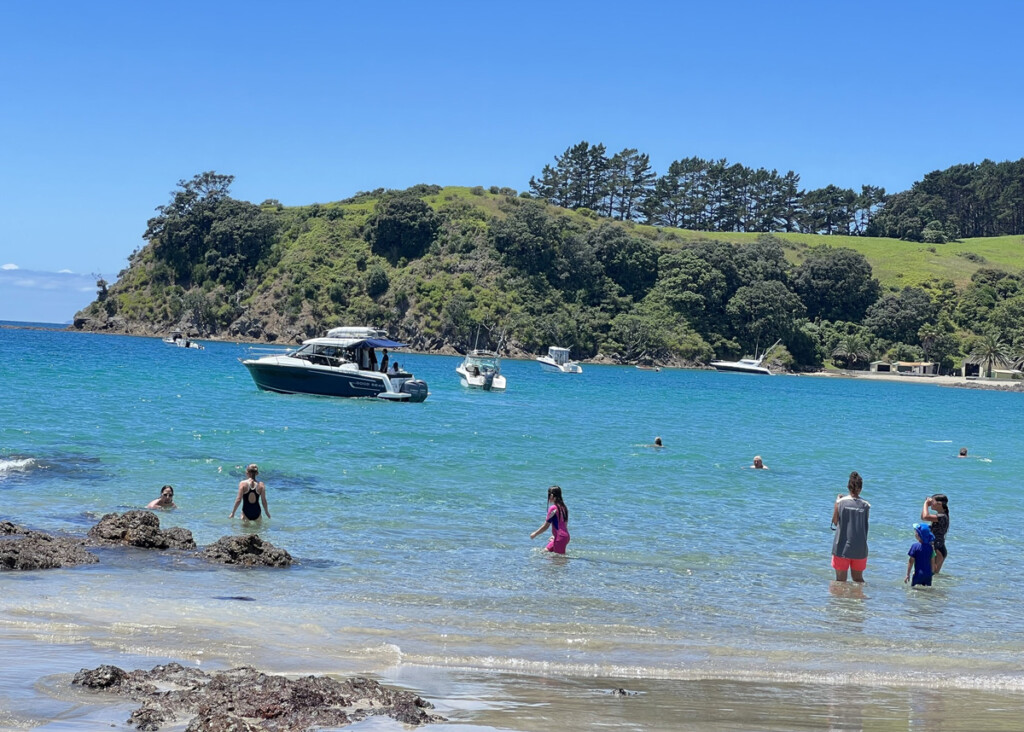
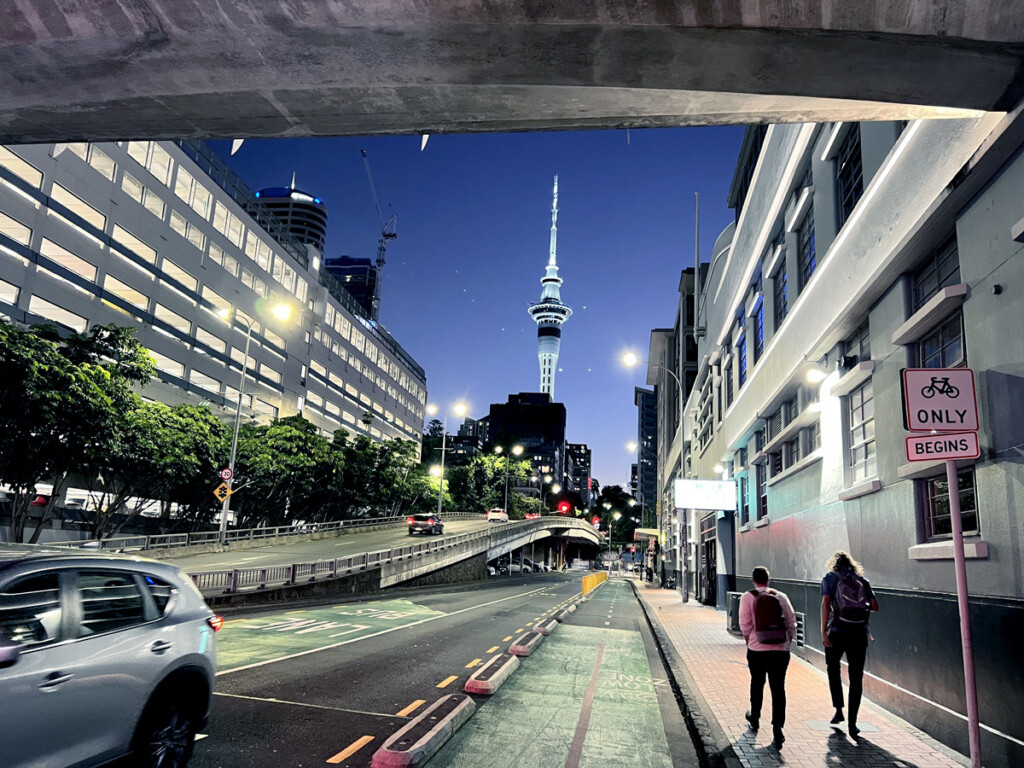
After arriving in Auckland, we spent the afternoon walking along Queen Street, a major shopping street in the city’s center. On day two, we took a 35-minute ferry ride to Waiheke Island, translated as “The Island of Wine,” Auckland’s largest wine region; the scenery of this island reminded us of Hawaii. We took a scenic bus ride from the ferry landing to Palm Beach. Then we returned to the small town of Oneroa, the island’s hub, which has many quaint shops, cafes, and bars and is only a 5-minute walk to the ferry at Matiatia Wharf.
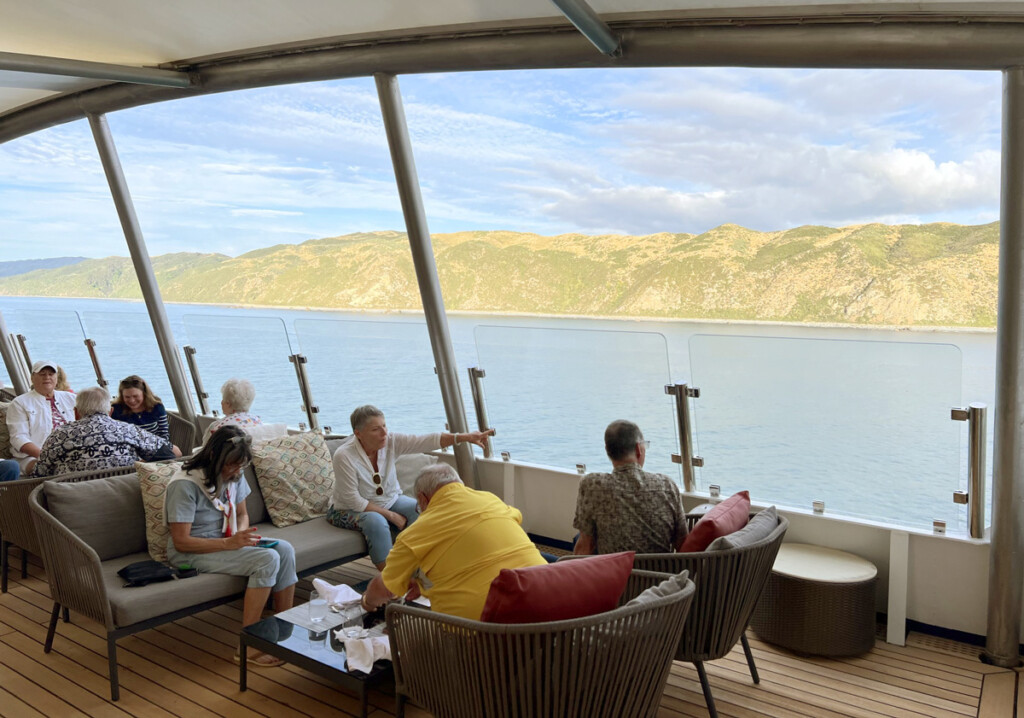
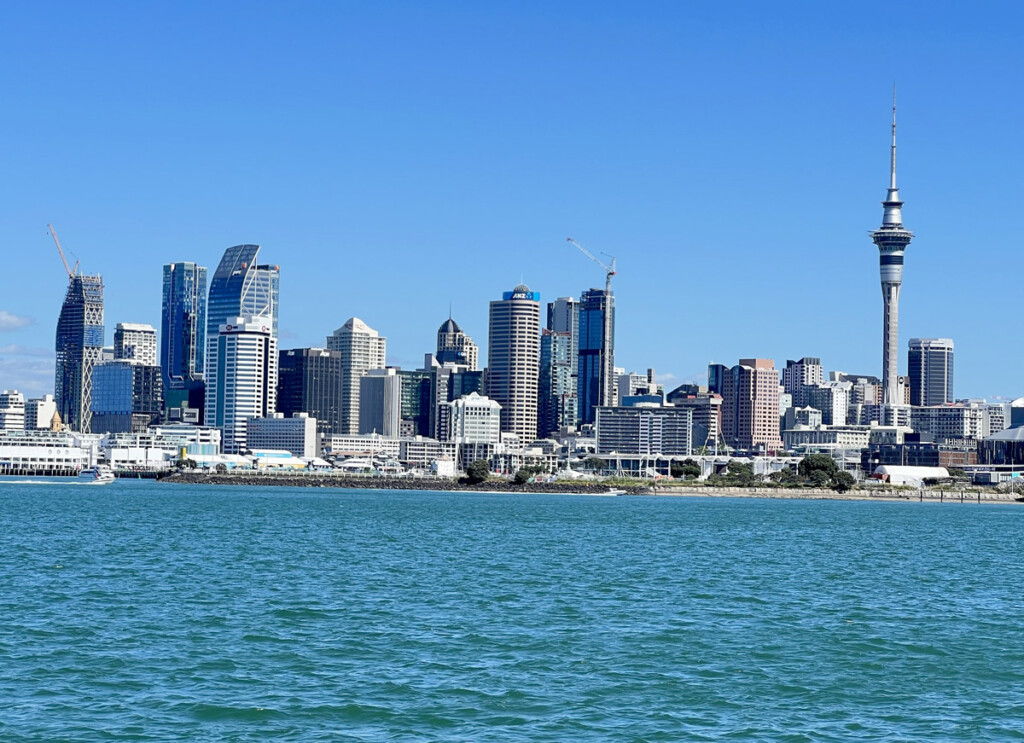
On our third day in Auckland, we took a 20-minute ferry ride to Devonport, a suburb of Auckland that provides a fine view of Auckland’s busy Waitema Harbor. The Devenport Naval Base of the Royal New Zealand Navy is the primary facility for the country’s naval vessels. It also has quaint antique, gift, and book shops, cafes, and restaurants. We then took another quick ferry ride from Auckland to another suburban town called Hobsonville.
Here, we enjoyed a local beer at Little Creatures brewery while admiring the waterfront view. During our evenings in Auckland, we found excellent restaurants on Princes Wharf and the famous Viaduct Quay area, all known for excellent waterfront dining.
The highlight of our trip was a seven-day cruise along the east coast of New Zealand. We embarked on the Windstar Sea Breeze out of Auckland. This ship consisted of all suites and accommodated 312 passengers. This cruise line is famous for its incredible service and epicurean food. Also, since it is a small ship, it can visit ports that the big cruise liners cannot dock at.
The cruise’s itinerary (one port per day) was Gisborne, Napier, Wellington, Picton, Kaikoura, and Lyttelton (Christchurch).
Gisborne is known for being the first city in the world to greet the sun each morning and for its wineries and surf beaches.
Napier is a charming, lively seaside resort famous for its Art Deco architecture.
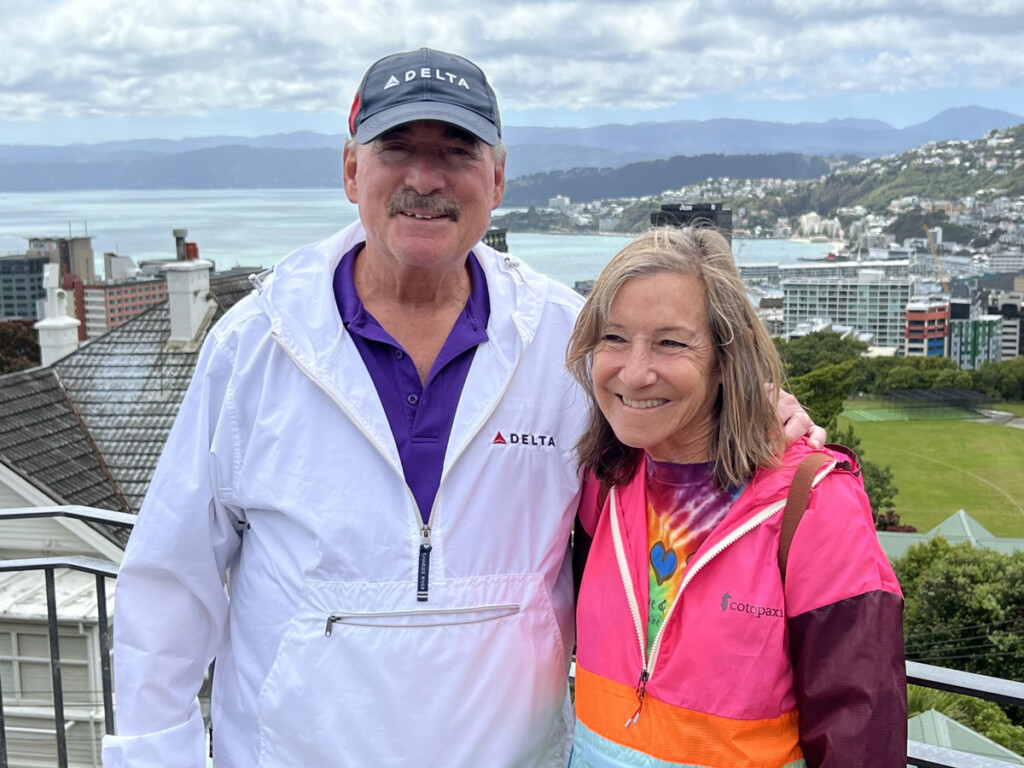
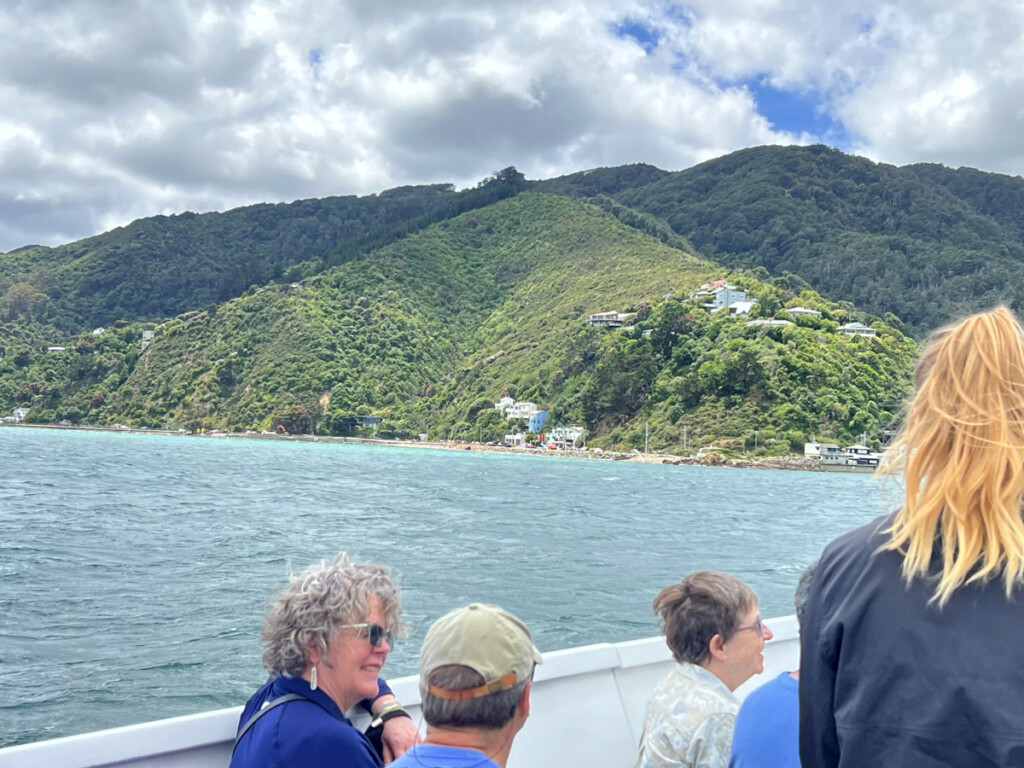
Wellington is the capital of New Zealand, a great walking city known for its strong winds. We took a scenic cable car ride from the heart of the city to the top of the Botanic Gardens Overlook, where we found a beautiful winding path through the gardens. We then a short ferry ride to Days Bay to enjoy the beach and great views of Wellington.
Picton is a popular boating spot with two marinas town on the north coast of the South Island. The quaint town has cafes, restaurants, galleries, and specialty shops.
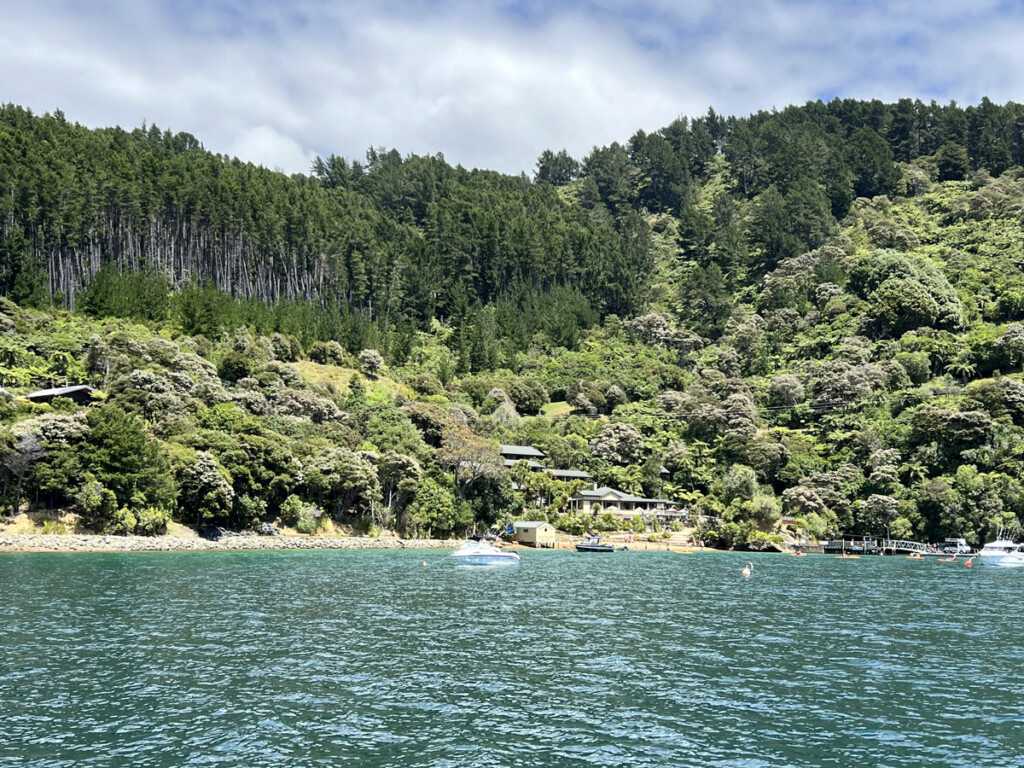
We took a short boat ride on the Queen Charlotte Sound to Lochmara, a beautiful small waterfront resort with a waterside cafe, 11 acres of hiking trails, and a small beach for kayaking and paddle boarding.
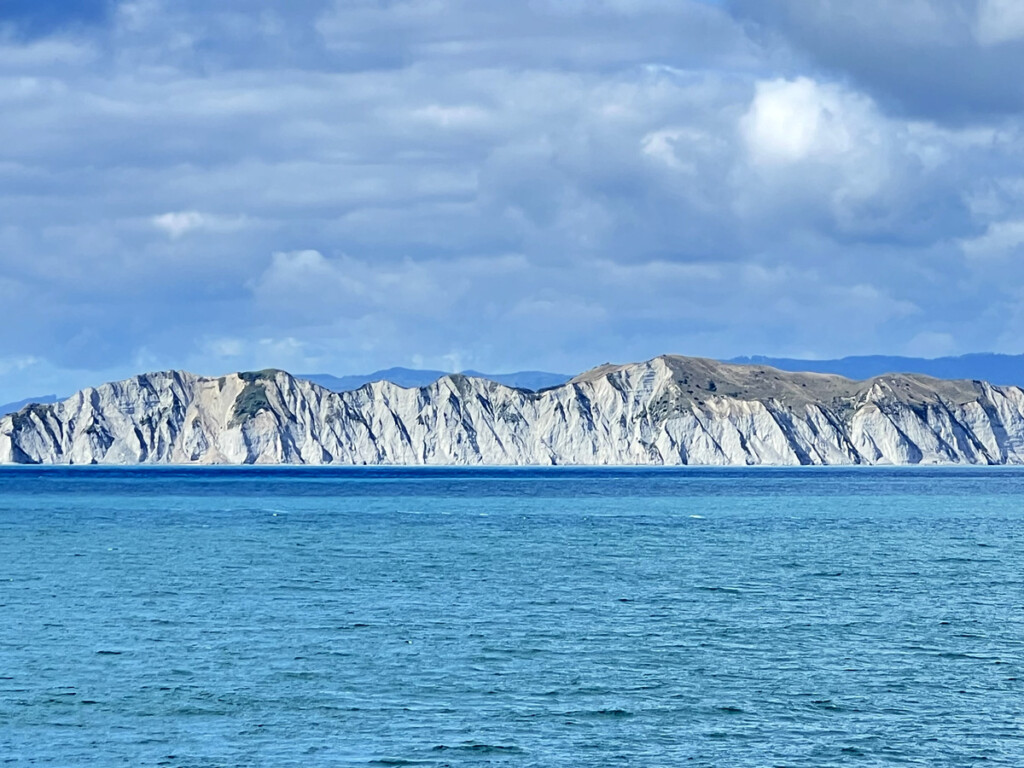
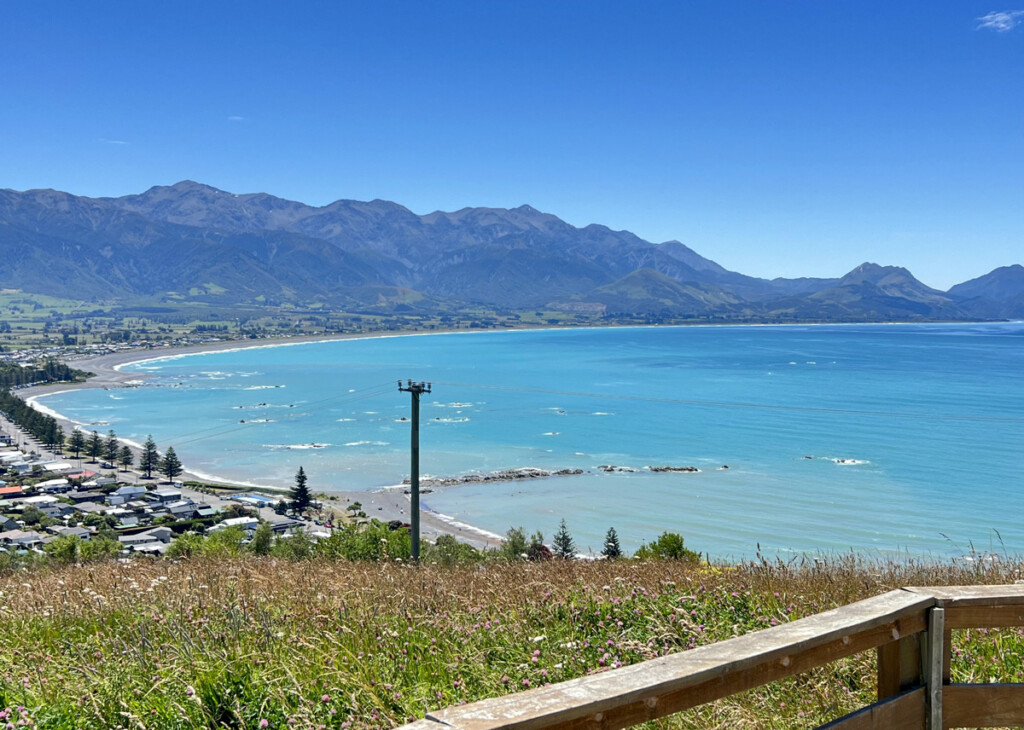
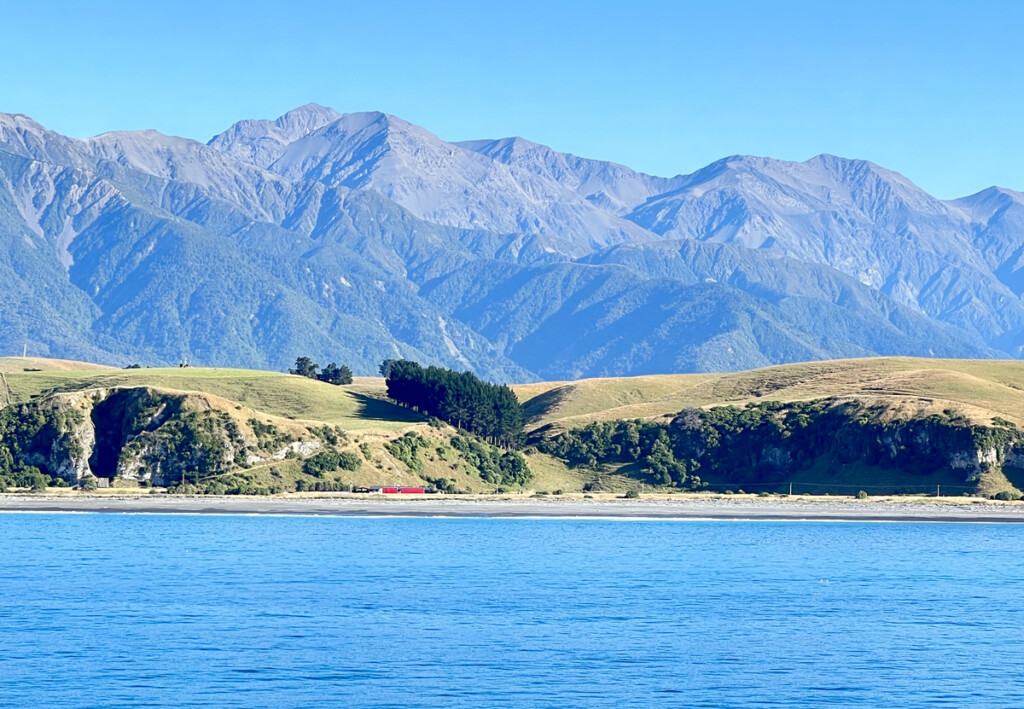
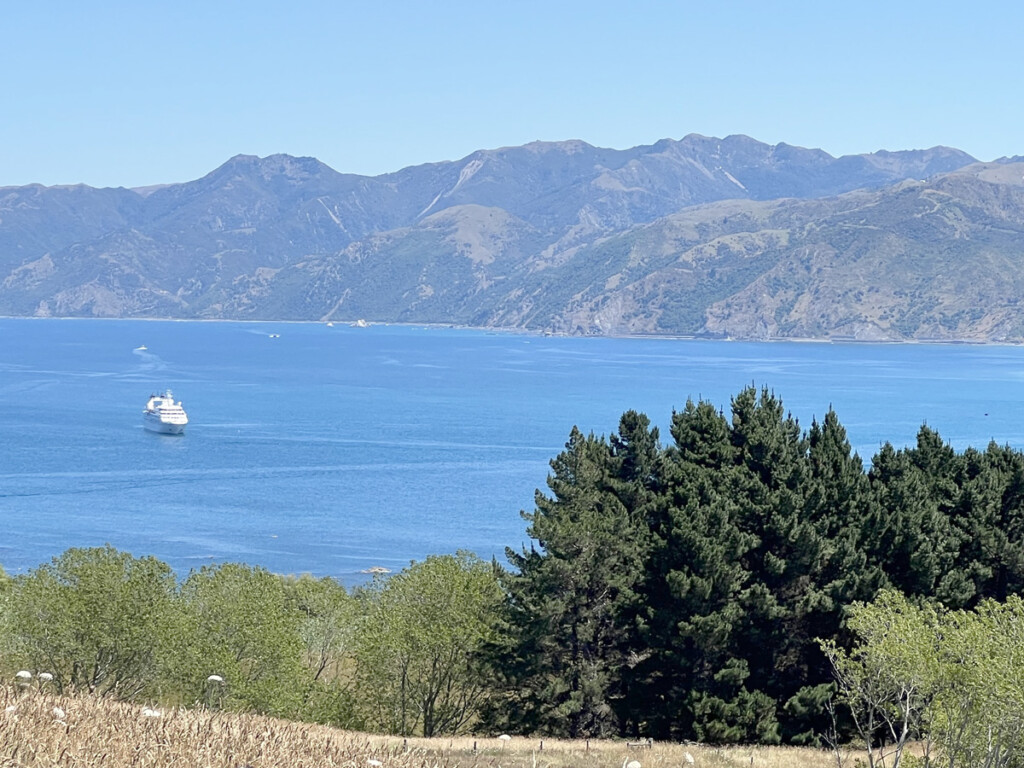
Kaikoura, a coastal town offering breathtaking views, is known for its marine life and wildlife. We spotted a pod of dolphins right off our ship as we ate breakfast and another from our cabin. We visited Point Kean, a spectacular peninsula lookout point with panoramic views of the sea and the Kaikoura Mountain Range.
The last port on our Kiwi adventure was Lyttelton, the gateway to Christchurch, where we flew on Air New Zealand to Auckland for our return trip home to New York.
Visitors to New Zealand should be aware that the ozone layer is thinning, especially during the summer months. Therefore, it is essential to wear a hat, sunglasses, and sunblock with a minimum of SPF 50; it is unusual to find sunblock with less than SPF 50 in New Zealand.
Visitors from the United States should be excited to see that the dollar’s value goes a long way in New Zealand. The exchange rate was $1.61 US dollars during our trip to one New Zealand (kiwi) dollar.