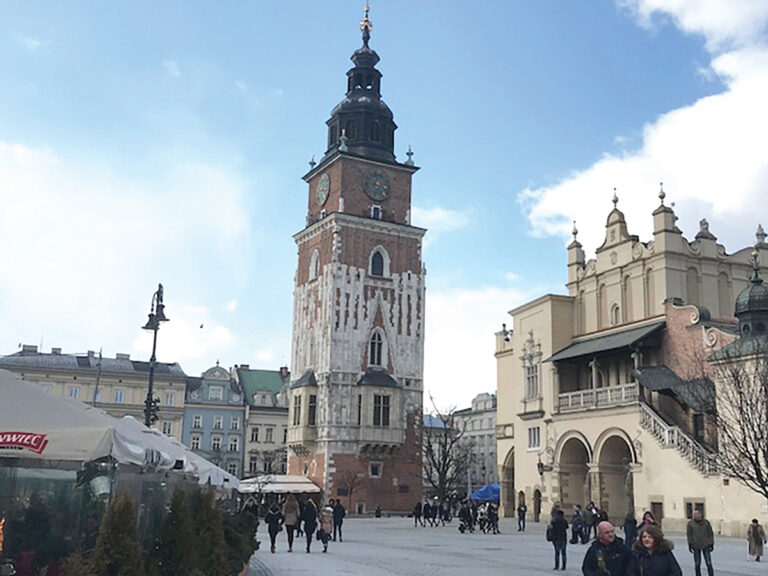
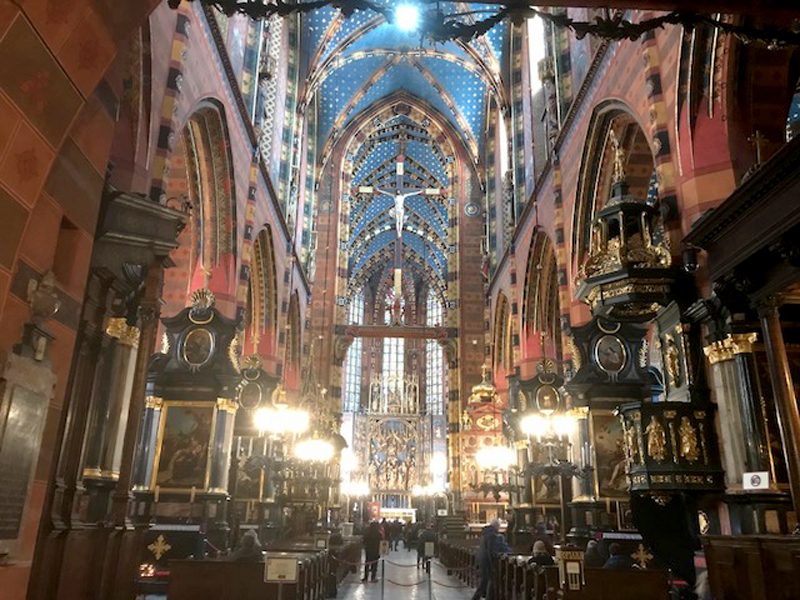
Many people have shared with me their incredible experiences traveling to Kraków, Poland, the country’s original capital, a beautiful city that remained unscathed during World War II. Krakow is a large city, but not too large to easily walk around the downtown, the Vistula River Area, and the many ethnic sections of the city. Krakow has a rich, colorful history, and the people were very accommodating, with all speaking excellent English.
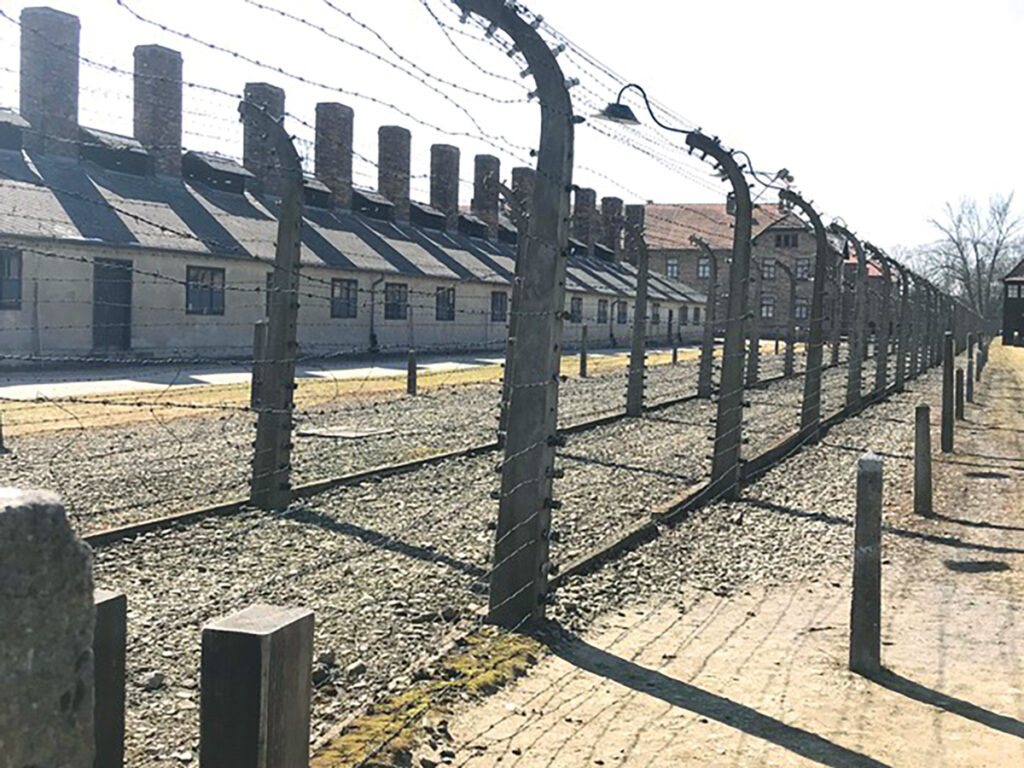
While tourists come to visit the city, Krakow’s two main visitor attractions are the Auschwitz-Birkenau Concentration Camps and the famous Wieliczka Salt Mines. The tour of the concentration camps is somber and may not be for everyone, but it is informational, thought-provoking, and extremely worthwhile.
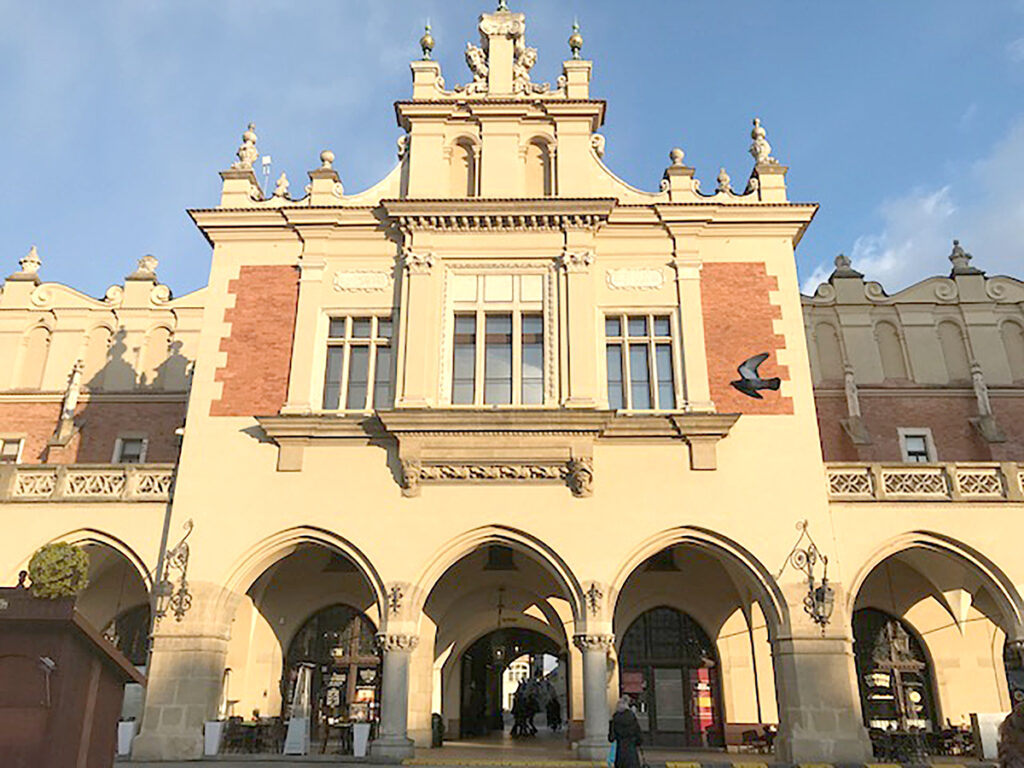
The first day of the trip was spent visiting the central area of Krakow, including the Wawel Castle, Cloth Hall, Saint Adalbert’s Church, and Nowa Huta Square.
The second day of the trip was a 10-hour tour of the Auschwitz-Birkenau Concentration Camps and Wieliczka Salt Mines. No matter how much you thought you knew about these concentration camps, the tour, the guides, and the actual walk through the buildings, crematoriums, and the railroad tracks will generate strong feelings about what happened here and that it should never be forgotten; it is a sobering example of man’s inhumanity to man.
The tour of the concentration camps will educate visitors on the concepts of how the camps were built, how and why the much larger second camp replaced the first camp, about the replacement of the 5-mile walk from the first camp to the work zone for the German war machine, and about the intricate process that was applied to identifying every inhabitant of each camp.
The Wieliczka Salt Minęs feature not only information on salt mining, which was discontinued in 1996, but passageways, chapels, statues carved out of rock salt, and an underground lake. The Wieliczka Salt Mines are an unforgettable sight to behold.
On this trip, my wife, Maureen, and I flew Delta Air Lines into Brussels Airport (BRU), and then Brussels Airlines to Kraków John Paul II International Airport (KRK). On the return trip home, we flew Lufthansa German Airlines into Frankfurt Airport (FRA) and then Frankfurt back to John F. Kennedy International Airport (JFK). Since Poland is not part of the euro (EUR) zone, we found the prices of hotels and food to be very accommodating. We stayed two nights at the 5-Star Sheraton Grande Hotel, at a rate of $150.00 (US) per night, which is a steal.
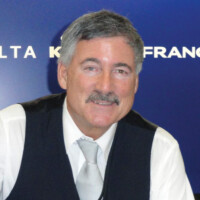
Jonathan Katz has been working at Delta Airlines for the past 13-years as a Customer Service Agent, checking in passengers in the Sky Priority Division of Delta Airlines at John F. Kennedy International Airport, Terminal Four. He provides services First Class, Business Class, Delta Medallion, and VIP Passengers.
Jon and his wife Maureen (retired USAir and Jet Blue Airways) have a combined 50-years experience in the airline industry and know the industry well.
Together they travel approximately 40-weeks a year, mostly one day trips both domestically and to Europe, leaving every Tuesday and returning every Thursday. They’ve written travel blogs on most of these trips, sharing them with their email list of Delta and other airline employees.